
Last updated November 15, 2026
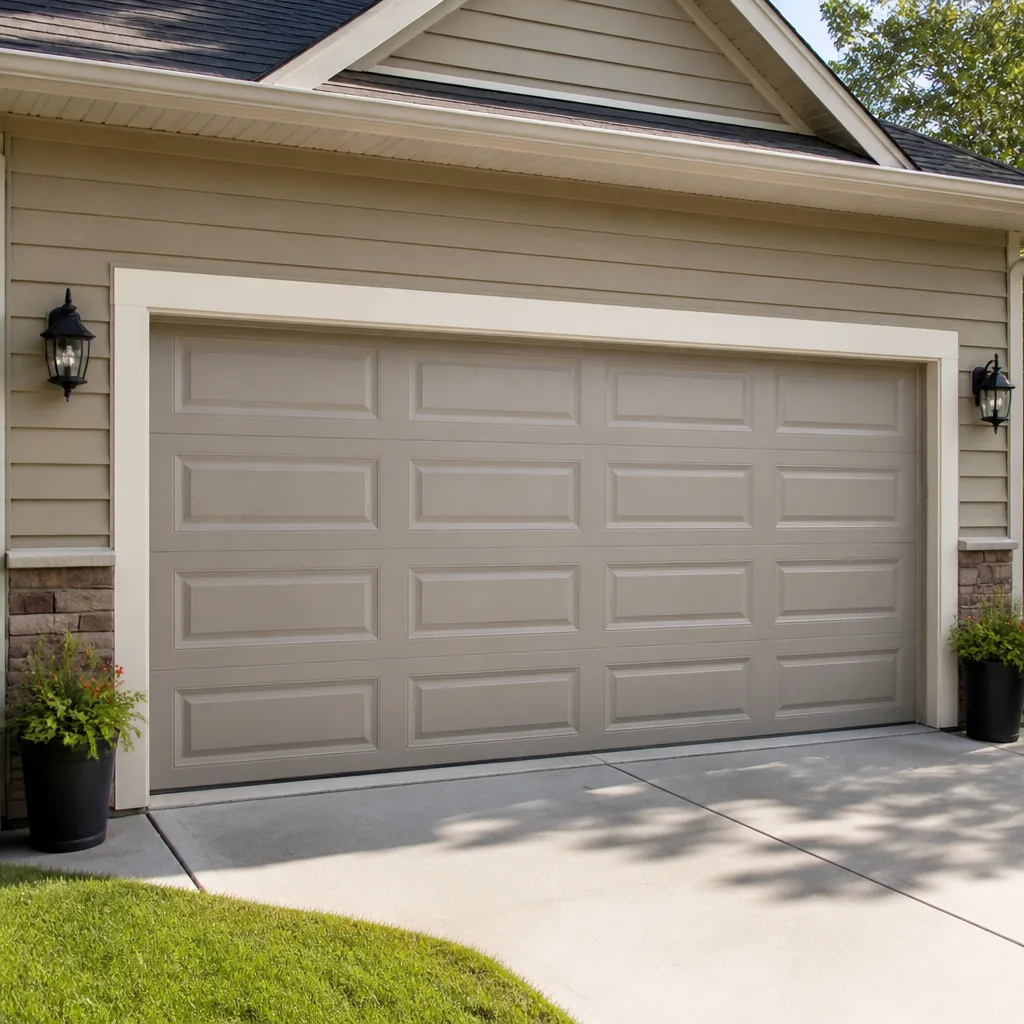 Raised-panel steel
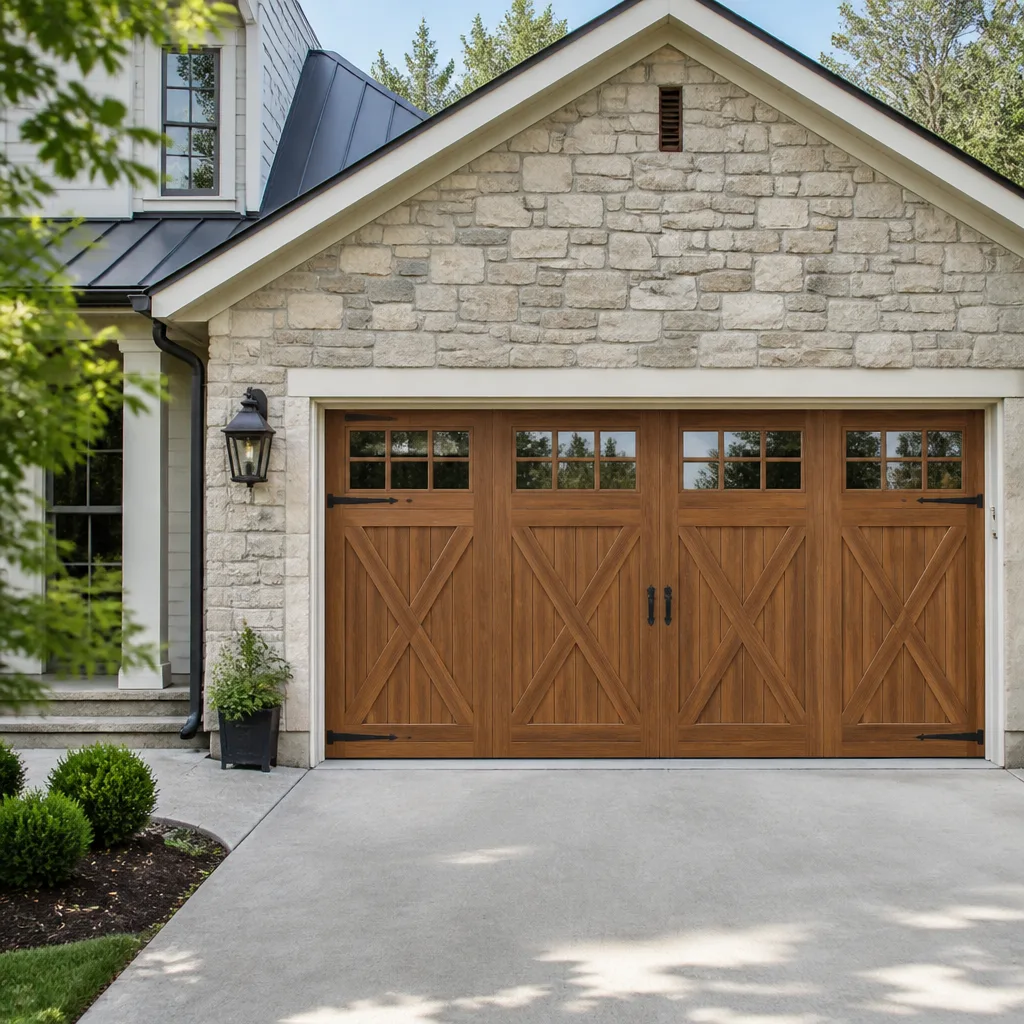 Carriage house
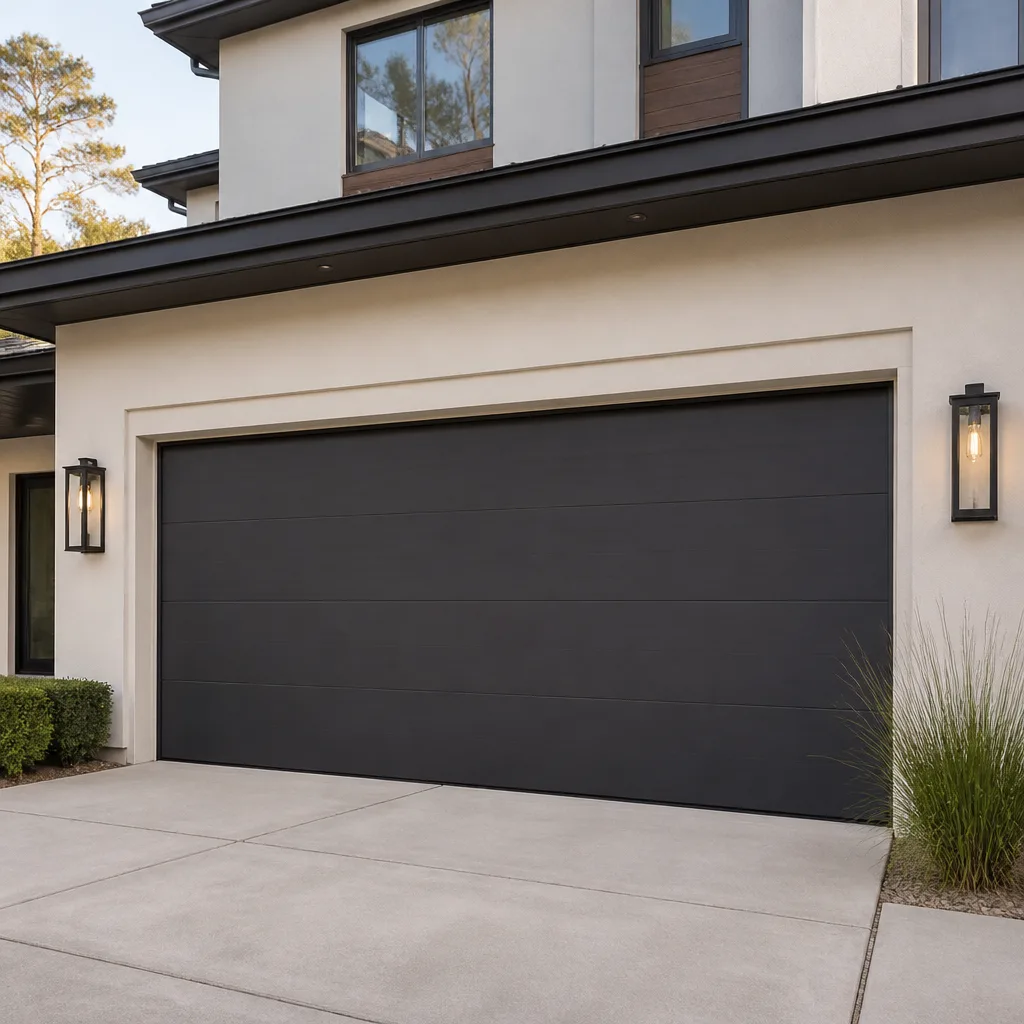 Modern flush
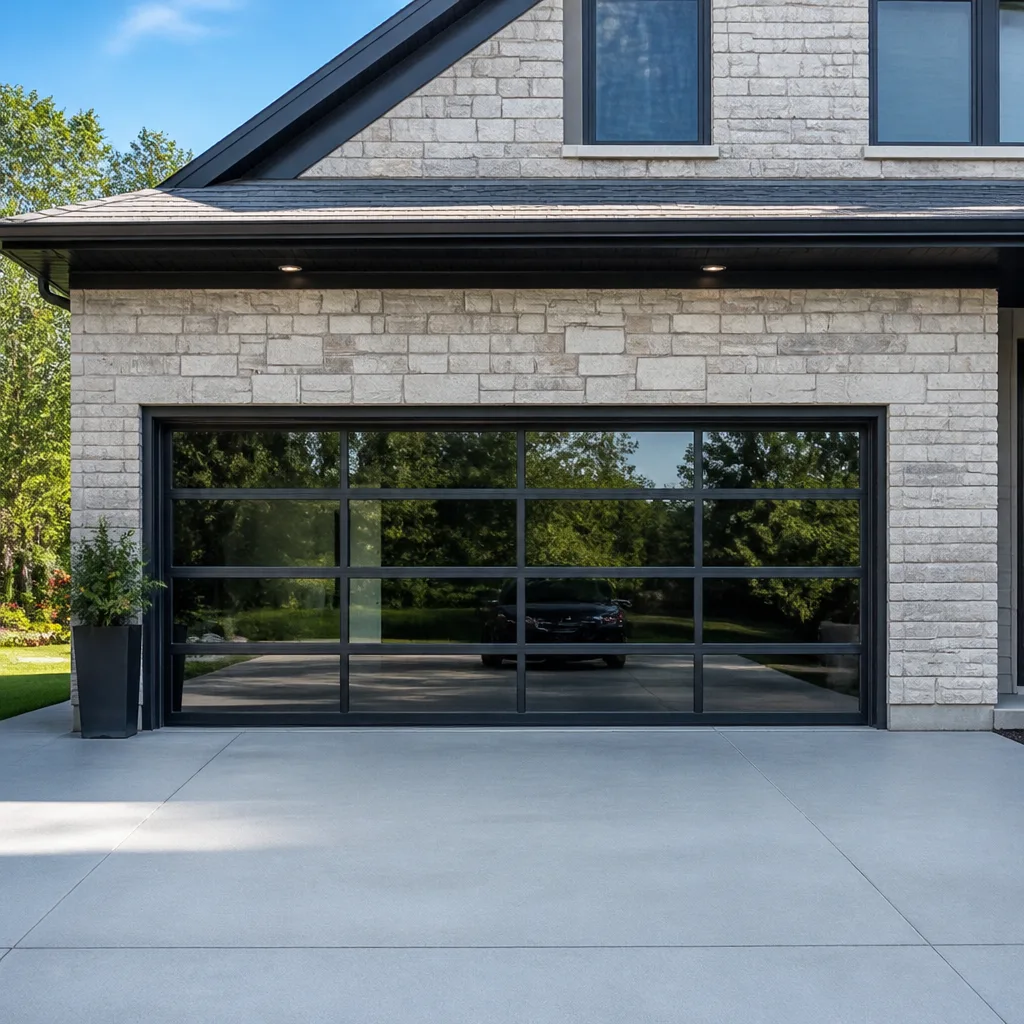 Full-view glass
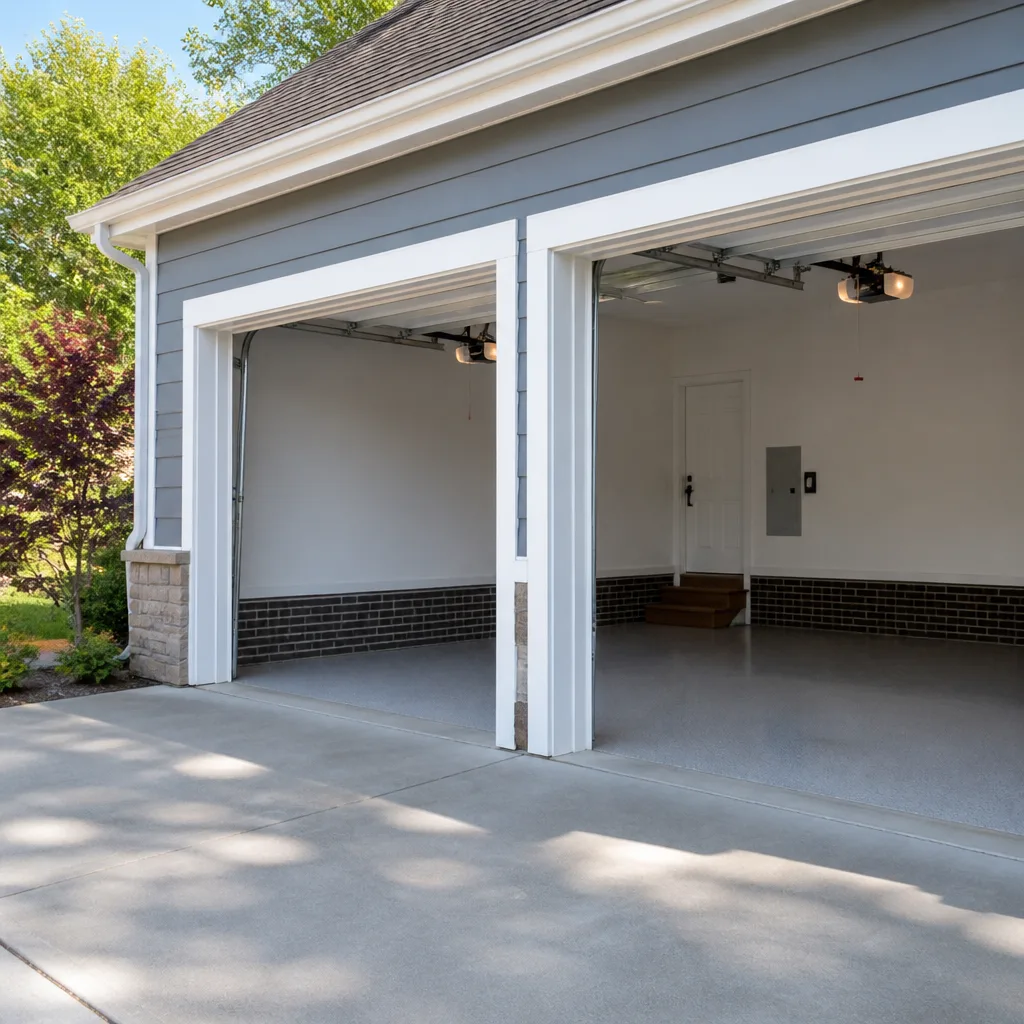 LiftMaster openers
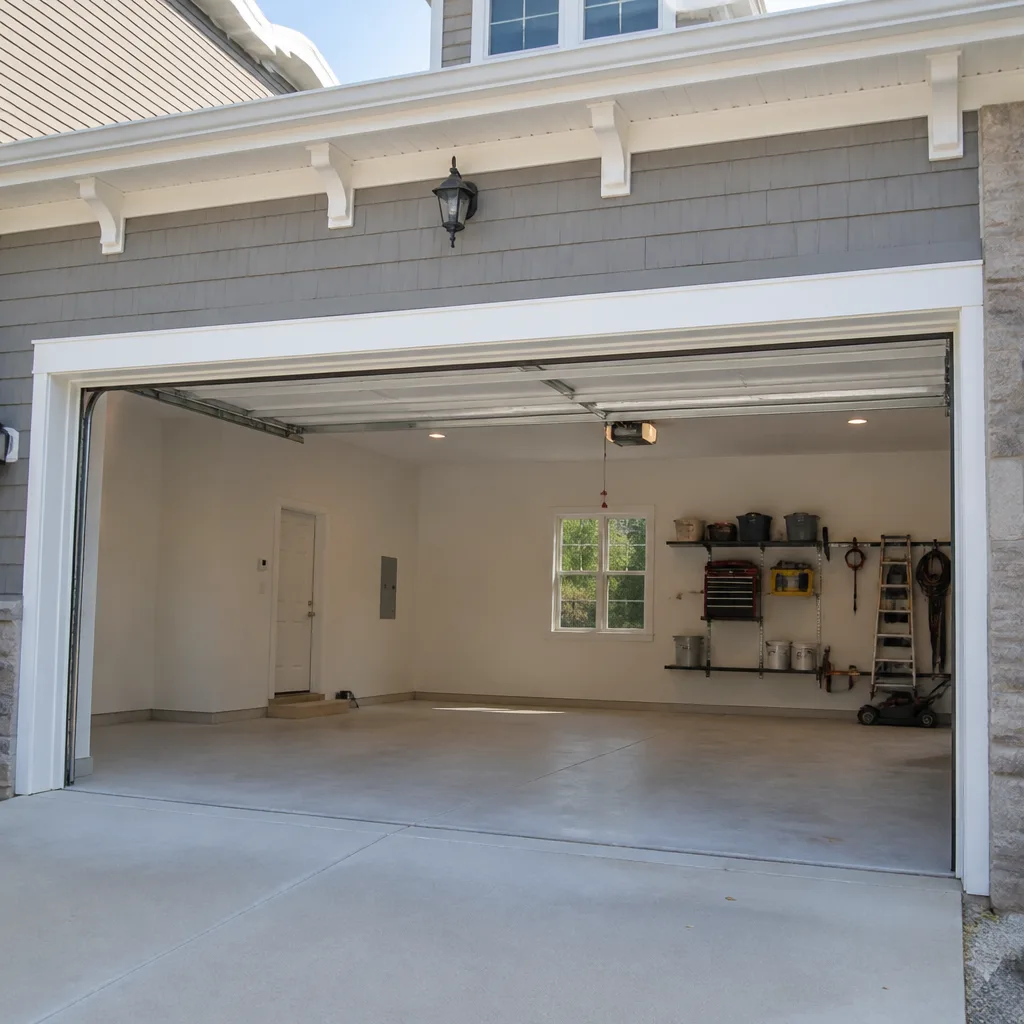 Chamberlain openers
Full 25-point door and opener safety check with every visit - springs, cables, rollers, tracks, and your LiftMaster or Chamberlain opener included
You get a price before we start. It does not change when the pro arrives.
Get your free estimateDIY vs Professional Garage Door: The Ann Arbor Homeowner’s Decision Guide
Torsion spring replacement sends more homeowners to the emergency room than almost any other repair task in the house. Not because people are careless. Because a spring under load gives no warning and no second chance. That single fact is why the DIY vs professional question for garage doors can’t be answered with a general “know your limits” speech. The real decision variable isn’t your skill level. It’s which specific task you’re attempting, and whether getting it wrong is recoverable. Some garage door jobs are genuinely fine to do yourself. Others aren’t, and it has nothing to do with confidence. This guide breaks the system down task by task, so you can decide what’s worth your time in Ann Arbor and what should go to a trained technician.
Styles & brands we work with
- Raised-panel steel
- Carriage house
- Modern flush
- Full-view glass
- LiftMaster openers
- Chamberlain openers
Quick Answer
Most garage door maintenance tasks are safe to do yourself: lubrication, safety sensor alignment, remote programming, and visual inspections. Anything involving torsion springs, cables, or the counterbalance system should go to a trained professional, and so should any repair that requires the door to come off its tracks or the opener to be opened up. In Ann Arbor, where cold winters compress the DIY window, the practical rule is to handle the low-risk jobs now and book a professional for anything that touches stored tension.
Table of Contents
- The Risk Framework: Why Task Type Matters More Than Skill Level
- Task-by-Task Risk Table: What’s Safe and What Isn’t
- Tools: Where a Manageable Job Turns Dangerous
- The Ann Arbor Winter Problem: Why Your DIY Window Closes Fast
- The Credible DIY Diagnostic That Can Lower Your Service Cost
- The Honest Cost Comparison: What DIY Actually Saves
- Openers Are a Different Decision Entirely
- Common Mistakes to Avoid
- When to Call a Professional
- Frequently Asked Questions
- The Bottom Line
The Risk Framework: Why Task Type Matters More Than Skill Level
Most advice about DIY home repair measures the wrong thing. It asks whether you’re handy, whether you own tools, whether you’ve watched enough videos. Those questions matter, but they miss the point. The garage door is a counterbalance system, and the counterbalance is what makes it dangerous. A single-car door weighs well over a hundred pounds. The springs holding it carry enough stored energy to move that weight with a light pull. When they release, they don’t do it slowly.
The right way to think about it is consequence asymmetry. For some tasks, the worst outcome of a mistake is a door that doesn’t close and a call to a technician. For other tasks, the worst outcome is a serious injury. Those two categories look almost identical on a YouTube thumbnail. Sorting tasks by what happens if you get it wrong is the whole decision.
In our experience, the homeowners who get themselves into trouble in Ann Arbor aren’t reckless. They’re methodical people who did their homework and then underestimated one thing: that the spring doesn’t care how carefully you’re standing there. It stores energy whether or not you’re ready for it.
Three questions to ask before you pick up a tool
- Does this task require me to handle stored tension from a spring or cable? If yes, stop and call a professional.
- Does a mistake here put a heavy object in motion above or near where I’m standing? If yes, treat the task as professional work.
- If I get this wrong, can I still get my car out and my house secured? If the answer is no, the stakes are high enough to price out a pro before trying it yourself.
If all three come back safe, you’re probably looking at a legitimate DIY task. If any one of them comes back the other way, the savings aren’t worth the risk. The rest of this guide applies that framework to every common garage door job.
Task-by-Task Risk Table: What’s Safe and What Isn’t
Here’s the part most guides skip. Below is every common garage door task, grouped by whether it’s a reasonable DIY project. Read through it once, and you’ll have a clear map of your own limits. The line isn’t about difficulty. It’s about whether a mistake is recoverable.
Low-risk tasks: genuinely fine to do yourself
- Lubrication. A few drops of white lithium grease on hinges, rollers, and the opener rail once or twice a year. Quiet, easy, and genuinely extends the life of the components.
- Safety sensor alignment. If the door stops and reverses for no obvious reason, the photo-eye sensors on either side of the opening are usually out of line or dusty. Cleaning the lenses and nudging them until their indicator lights go solid is a 5-minute job.
- Remote and keypad programming. Pairing a new remote to a LiftMaster or Chamberlain opener is a button-press sequence in the manual. Nothing opens the counterbalance system.
- Visual inspection. Standing in the driveway and looking. Springs, cables, rollers, hinges, weatherstripping, and the track the door rides on. This is the single most useful thing a homeowner can do.
- Replacing weatherstripping. The bottom seal on the door and the trim around the opening are cosmetic and sealing items. Worn seals let Ann Arbor’s cold air and snowmelt in, and a replacement strip from a hardware store is straightforward.
- Swapping a light bulb in the opener. Genuinely that simple, with a note: use an opener-rated bulb.
High-risk tasks: leave these to a trained professional
- Torsion spring replacement. The spring above the door carries hundreds of pounds of stored energy. A loaded torsion spring can release without warning, and no amount of caution substitutes for the winding bars and training a technician has. This is the single most dangerous task in the entire trade.
- Extension spring replacement. Less loaded than torsion but still a stored-energy component. If a spring snaps while you’re in front of it, the results are serious.
- Cable replacement. Cables hold the door to the springs and carry tension across the whole system. A cable under load can sever. Never handle one yourself.
- Track alignment and repair. Bent tracks make a door behave unpredictably, and a door that jumps the track can fall.
- Bottom bracket and drum work. These attach the cables to the door. Any task that requires releasing cable tension belongs to a trained technician.
- Roller and hinge replacement where the door needs to be supported. Sometimes this is straightforward. But if the door has to come off the track or be held up, the lift weight makes it a two-person job with real hazards.
- Replacing the whole door. A new door is a measured, fitted, and professionally installed job.
Somewhere in between: judgment calls
A few tasks sit closer to the line. Replacing a roller on a door with the right tools and a properly secured door is often fine. Removing a bottom bracket, even to replace a hinge, moves straight into professional territory. When you’re not sure which side of the line a task sits on, treat it as professional. That’s the whole reason to call a service like our garage door repair team. A free estimate costs nothing and gets you a straight answer.
Tools: Where a Manageable Job Turns Dangerous
Here’s a thing most DIY guides leave out: the tool is not a convenience. On a garage door, the right tool is what separates a manageable job from a dangerous one. A homeowner with the right gear can lubricate, align, and inspect a door safely. A homeowner without the right gear is doing something different, even if it looks the same.
What low-risk tasks actually require
- Lubrication: White lithium grease or a silicone-based garage door lubricant, a shop rag, and a step ladder. No specialty tools.
- Sensor alignment: A screwdriver or your fingers, and a clean cloth for the lens. Motion in a 30-second loop to confirm the door reverses and doesn’t close on an obstruction.
- Remote programming: The wall-mounted opener panel and the remote’s instruction card. The opener manual, if it’s a LiftMaster or Chamberlain unit, has the pairing sequence first-page.
- Weatherstripping: A utility knife, a tape measure, and replacement seal cut to length.
None of those tasks call for a winding bar, cable puller, or torsion tool. That’s the point.
What the high-risk tasks actually require
Torsion spring replacement needs two winding bars sized correctly to the spring cone, a way to fully de-tension the system before work begins, gloves, eye protection, and an intimate knowledge of how the spring stores and releases energy. The absence of even one winding bar doesn’t make the job harder. It makes the job unsafe, because the release happens the same way whether you have the right tool or your hands.
Cable work needs the same tension-management logic, plus the knowledge of how to guide the door down safely on its tracks. The job is real work, and the tools to do it right cost more than most homeowners would ever spend for a task they’ll attempt once. That’s the honest math on tool cost: you’re not saving money if you’re buying custom tools for one job.
Why Ann Arbor winters make the tool question worse
Cold weather stiffens every component. A door that lubricates easily in July fights you in February. If you attempt a low-risk task in winter without the right lubricant or the door warmed slightly, you’ll add strain to an already-loaded system. The time to do the low-risk work is before the cold sets in, and the time to leave the high-risk work alone is always.
The Ann Arbor Winter Problem: Why Your DIY Window Closes Fast
Ann Arbor’s winters are the reason DIY timing matters more here than in most places. Michigan’s cold season is long, and the stretch from late autumn through early spring is the busiest period for garage door calls. A door that finally refuses to close in January doesn’t leave a homeowner much runway. If a DIY attempt fails in December or January, you’re looking at a real wait in a high-demand period, because every service in town is stretched.
That changes the calculus. A task that would be low-risk on a warm Saturday in April becomes a high-stakes mistake if your garage is your primary house entrance and the door won’t budge. In Ann Arbor, plenty of homes use the garage door as the family’s daily entrance, especially in neighborhoods where the garage is attached and the driveway is shoveled more often than the front walk.
When the best plan is a professional visit before the freeze
The smart window for preventive work in Ann Arbor is early autumn, before the first hard freeze. Lubrication, sensor checks, and a visual inspection up front reduce the odds of a February failure. If anything is already starting to act up, calling before the cold locks in means you’re scheduling on your timeline, not the emergency one.
That’s true whether you’re in a neighborhood closer to the Huron River where damp air hangs on after a melt, or on higher ground where snow lingers longer. The seasonal math is the same: a failed DIY attempt in January is a bad financial outcome even when the work is cheap, because you’re waiting in line with everyone else. Book the low-risk checks in the fall, and reserve the high-risk work for a trained technician whenever it’s needed.
Snow load and ice aren’t cosmetic
Snow and ice piling against a closed door put surprise stress on the bottom seal and on the door’s balance. If the door has been fighting snow and starts to sag or hesitate, that’s a sign of an underlying issue, not a sign the weather is to blame. Don’t attempt to fix a balance problem yourself in the snow. Book a professional visit, and in the meantime keep the area around the door clear so nothing loads it further.
The Credible DIY Diagnostic That Can Lower Your Service Cost
This is where the DIY vs professional question gets genuinely interesting. You can’t do the high-risk repair yourself, but you can absolutely do the diagnostic. A clear, accurate description of what your door is doing and when it does it saves time and, in our experience, often shortens the visit itself. That’s the part a good service will appreciate.
A five-step diagnostic you can do safely
- Note every symptom. Does the door stop partway up? Reverse immediately after touching the floor? Sound different than it used to? Run loud or grind? Write down exactly what happens, and when. “It reverses about 6 inches off the floor” is more useful than “it doesn’t work.”
- Test the door by hand while it’s disconnected. With the opener disconnected using the manual release cord, lift the door about halfway. A properly balanced door stays put on its own. A door that falls or springs up is unbalanced, and that’s a spring or cable issue. Don’t try to correct it; just write down what happened. Stay clear of the springs and cables while you do the test.
- Check the sensors. Look at the lights on the two photo eyes beside the opening. A steady light means aligned. A blinking light means one is out of view, dirty, or obstructed. Note which side and whether the lights line up.
- Watch the opener. Does the opener run but the door doesn’t move? That suggests a chain or belt or coupler issue. Does the opener stay silent? That’s often a logic board or power problem. The two symptoms point different places.
- Photograph what you see. A photo of the spring above the door, the cables, and the model nameplate on the opener gives a technician real information and can head off a second visit.
How this lowers your cost
Good diagnostics reduce the amount of time a technician spends doing exactly the same tests on arrival. That’s a real cost difference, and it’s how the honest DIY work interacts with the professional visit. You do the safe part. A trained technician diagnoses the cause and does the work that requires training. If you can describe what the door is doing and hand over pictures, the conversation gets faster.
We work on whatever brand is on your door, whether that’s a Wayne Dalton opener you inherited with the house, an Amarr door that came with the build, or a Craftsman unit that’s had a decade of Ann Arbor winters. Whether it’s a garage door opener repair or a mechanical issue in the door itself, a straight answer comes first. The diagnostic plan above is how you get the most from that visit.
The Honest Cost Comparison: What DIY Actually Saves
The DIY pitch usually goes like this: the part costs a fraction of the pro. That comparison is real but incomplete. To know what DIY saves, you have to account for the tools, the time, and the probability that the job requires a professional rescue anyway. Do the math honestly and the picture changes.
The three costs of a DIY attempt
- Tool cost. For low-risk tasks, tools are cheap or already in the kitchen drawer. For high-risk tasks, the right tools cost far more than a single service call and are difficult to justify for a job you’ll attempt once.
- Time cost. A trained technician does the task quickly because it’s what they do. A first-time DIY attempt takes longer and includes the learning period. That’s fine if the task is low-risk; it’s a bad trade if it isn’t.
- The probability-adjusted rescue cost. This is the part most comparisons leave out. If a DIY attempt fails, you’ve now paid for the parts, the tools, and the professional visit, plus the wait. A 20% chance of needing a rescue adds 20% of the pro cost to your DIY bill. A high probability of rescue makes DIY more expensive than the professional job on day one.
A side-by-side view
- Lubrication job: DIY is cheap and safe. A pro visit is overkill. Do it yourself.
- Sensor alignment: DIY is cheap and safe. Sensors are the most common “no-close” problem, and a homeowner can fix them in minutes.
- Remote programming: DIY is the right call. Twenty minutes of manual reading saves a service call.
- Broken torsion spring: DIY costs more than it saves once you account for the tools and the near-certain rescue call. Plus the injury risk. Professional work is cheaper in every sense.
- Snapped cable: Same calculation, worse consequences. Professional only.
- Door off its tracks: Professional. A properly anchored door requires guidance the homeowner doesn’t have without training.
- New door or new opener: Professional measure and install. It’s a scheduling job, not a DIY job, and getting it wrong costs more than getting it right.
For any repair with a price you’d like to know before you decide, call for a free estimate. The written estimate is the final price, and there’s no pressure. The number comes before work starts, not after. That alone makes the price conversation honest.
Openers Are a Different Decision Entirely
Garage door openers get lumped in with the door itself, but they’re a separate decision. The opener isn’t a counterbalance system. Its worst failure mode is usually a dead motor or a loose chain, not a loaded spring. That means the DIY ceiling is higher for opener problems than for door problems, but not unlimited.
Some opener tasks are genuinely safe: swapping a light bulb, replacing a battery in the remote, re-pairing a remote, and even replacing a blown logic-board fuse on some models. Chain and belt replacement is where it gets harder. A loose chain is one thing; a chain that needs tensioning or replacing usually requires the opener to be safely powered down and careful attention to the track and trolley.
That’s the part most Ann Arbor homeowners get stuck on. Modern openers, whether a LiftMaster with MyQ connectivity, a Genie with a wall console, or a Craftsman with a wired keypad, have mechanical parts and simple electronics that interact. When a smart-home feature stops working, the cause is often not the app but the opener’s logic or the belt. In our experience, that’s the moment to call. Openers are their own specialty, and a trained technician can separate an app problem from a motor problem fast.
Our technicians have up to 12 years of experience across brands including LiftMaster, Chamberlain, Genie, Clopay, Amarr, Wayne Dalton, Craftsman, and Raynor. The brand on your door doesn’t change the plan. It just means the technician who shows up should already know how your opener behaves.
Common Mistakes to Avoid
- Attempting torsion spring work without the right tools. This is the mistake that puts homeowners in the emergency room. If you don’t have the winding bars, the answer isn’t “make it work” – it’s stop.
- Assuming cold-weather behavior is a winter problem. An Ann Arbor door that grinds or sticks in January is telling you something real about balance or lubrication. Don’t write it off to the season. Find out before it fails in the worst weather.
- Lubricating the wrong parts. Grease on the plastic rollers, the opener belt, or the safety sensor lenses does more harm than good. Only hinges, rollers, and the opener rail need it.
- Trying to fix a door that’s off its tracks. A door that’s jumped a track can fall unexpectedly and can damage the panels as it does. Stop using it and call for help.
- Ignoring a blinking sensor light. An intermittent sensor issue can make the door close on an obstruction. Resolve it before you use the door normally; never override the safety beam to get the door to close.
- Starting a DIY repair in late autumn. In Ann Arbor, a job begun in November has a good chance of hitting the first hard freeze, when the parts are less cooperative and the calendar is tighter. If you’re going to do the low-risk work, do it early.
- Spending for a one-time-use tool. A custom tool for a single torsion-spring job costs more than the service call and doesn’t make the job safe. That’s money better spent on a trained technician.
When to Call a Professional
Call a professional for anything that touches stored tension: torsion springs, extension springs, cables, drums, and bottom brackets. Call if the door is off its tracks, unbalanced, or sagging on one side. Call if the door reverses at random, doesn’t respond to the opener, or the opener runs without moving the door. Call if you’re planning a new door or a new opener; that’s a measured, scheduled job, and it’s worth a proper measure and a written price. And call if you’ve started a DIY repair and stopped partway through. A door that’s been partially disassembled is in a less predictable state than it was before you touched it.
Sage Garage Door Repair offers free estimates in Ann Arbor. Call (888) 359-3230. We answer 24/7. Fast dispatch from 7am to 7pm, Sunday through Friday. Whether it’s a stuck spring or a dying opener, we’ll diagnose it honestly and quote before any work starts. Sage Garage Door Repair connects you with independent local professionals who know the brands on your door.
Frequently Asked Questions
No, and we’d advise against it even if you consider yourself handy. A torsion spring holds hundreds of pounds of stored energy and can release without warning, which is why it’s responsible for more serious home-repair injuries than almost any other residential DIY task. Call a trained professional for spring work. Call (888) 359-3230 for a free estimate.
Lubrication, safety sensor alignment, remote and keypad programming, visual inspections, and replacing weatherstripping are all reasonable DIY jobs. They don’t involve stored tension and don’t require specialty tools. Anything that touches the springs, cables, drums, bottom brackets, or track alignment should go to a professional.
Yes, in practice. A clear description of the symptoms with photos can shorten the visit because the technician spends less time re-testing on arrival. Do the safe diagnostic steps, hand over what you found, and let the trained professional take it from there. Call (888) 359-3230 for a free estimate on the repair itself.
Only for low-risk tasks. Lubrication and sensor fix are genuinely cheaper done yourself. For anything involving springs, cables, or tracks, the tool cost plus the near-certain rescue call make a professional cheaper overall, and the safety math is even clearer. A free estimate from us gives you the professional number so you can compare properly.
Cold weather stiffens the moving parts and can expose problems that weren’t obvious in warmer months. Balance issues, worn rollers, and cable tension become more visible in the cold. If the door starts to grind, hesitate, or stick in winter, treat it as a signal, not a seasonal quirk, and get it looked at.
Stop and call a professional. A partially disassembled door is in a less predictable state than it was before you started, and a technician should be the one to put it back together or diagnose what’s left. Don’t force the door; call (888) 359-3230. We answer 24/7. A call outside dispatch hours is booked into the next opening, Sunday through Friday, 7am to 7pm.
Yes. We work on whatever brand is on your door, including LiftMaster, Chamberlain, Genie, Clopay, Amarr, Wayne Dalton, Craftsman, and Raynor. There’s no upcharging for the brand, and the recommendation is based on what the door needs, not on a preferred product line. Call (888) 359-3230 for a free estimate.
Often yes. We answer 24/7 and dispatch from 7am to 7pm, Sunday through Friday. Call (888) 359-3230 to book. Same-day availability depends on the day and the job, so a quick call is the fastest way to know. For anything involving springs or cables, don’t try to drive the door in the meantime.
The Bottom Line
The DIY vs professional decision for your garage door isn’t about whether you’re capable. It’s about which task you’re attempting and whether the failure mode is recoverable. Low-risk tasks, meaning lubrication, sensor alignment, remote programming, inspection, and weatherstripping, are genuinely worth doing yourself and save real money. High-risk tasks, meaning springs, cables, cables-driven parts, tracks, and balance, should go to a trained technician. Ann Arbor’s long winters narrow the DIY window, so the smart plan is to do the easy work early and hand the rest to someone with the training. Our Sage Garage Door Repair team is here for the parts you shouldn’t do yourself. If you’re ready for a professional opinion, or if you’d like a free estimate on a repair in Ann Arbor, call (888) 359-3230. We answer 24/7. Fast dispatch from 7am to 7pm, Sunday through Friday.
Written by the team at Sage Garage Door Repair.
See the difference
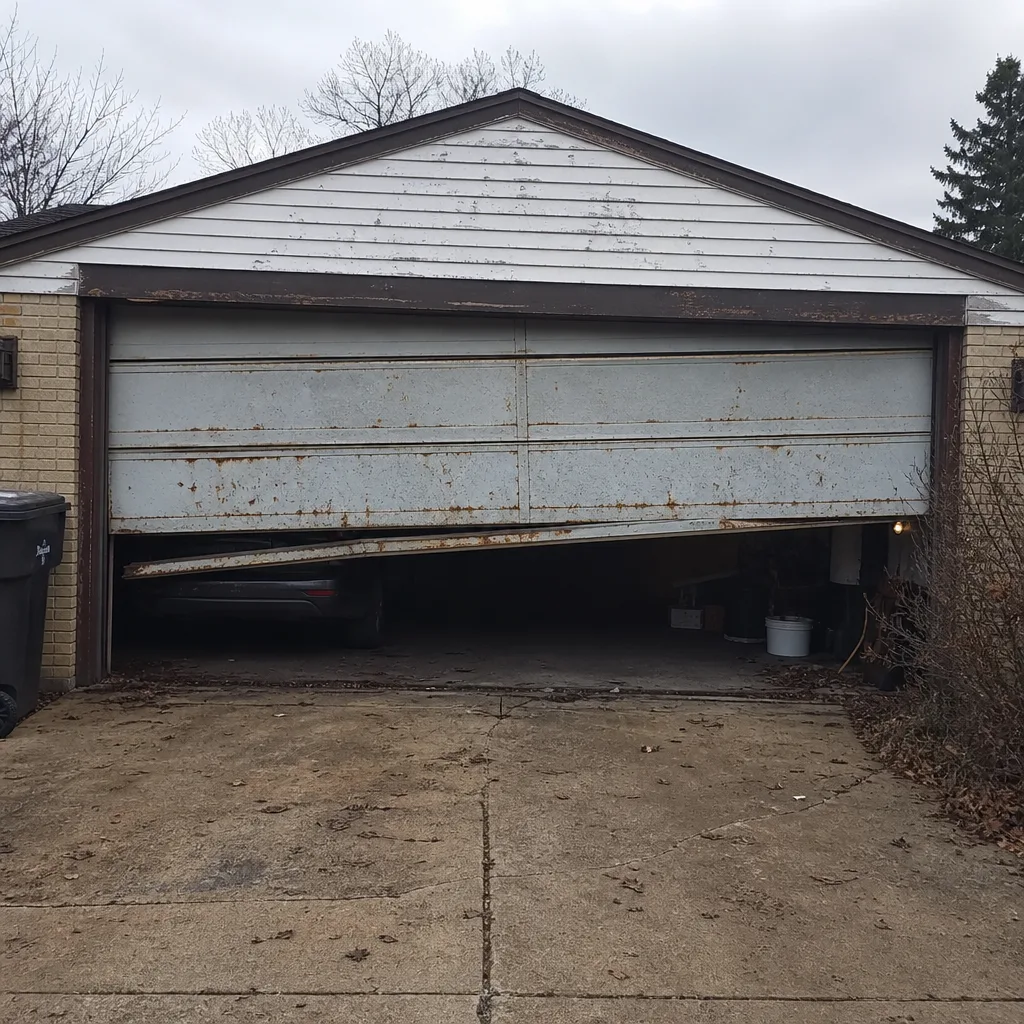 Before
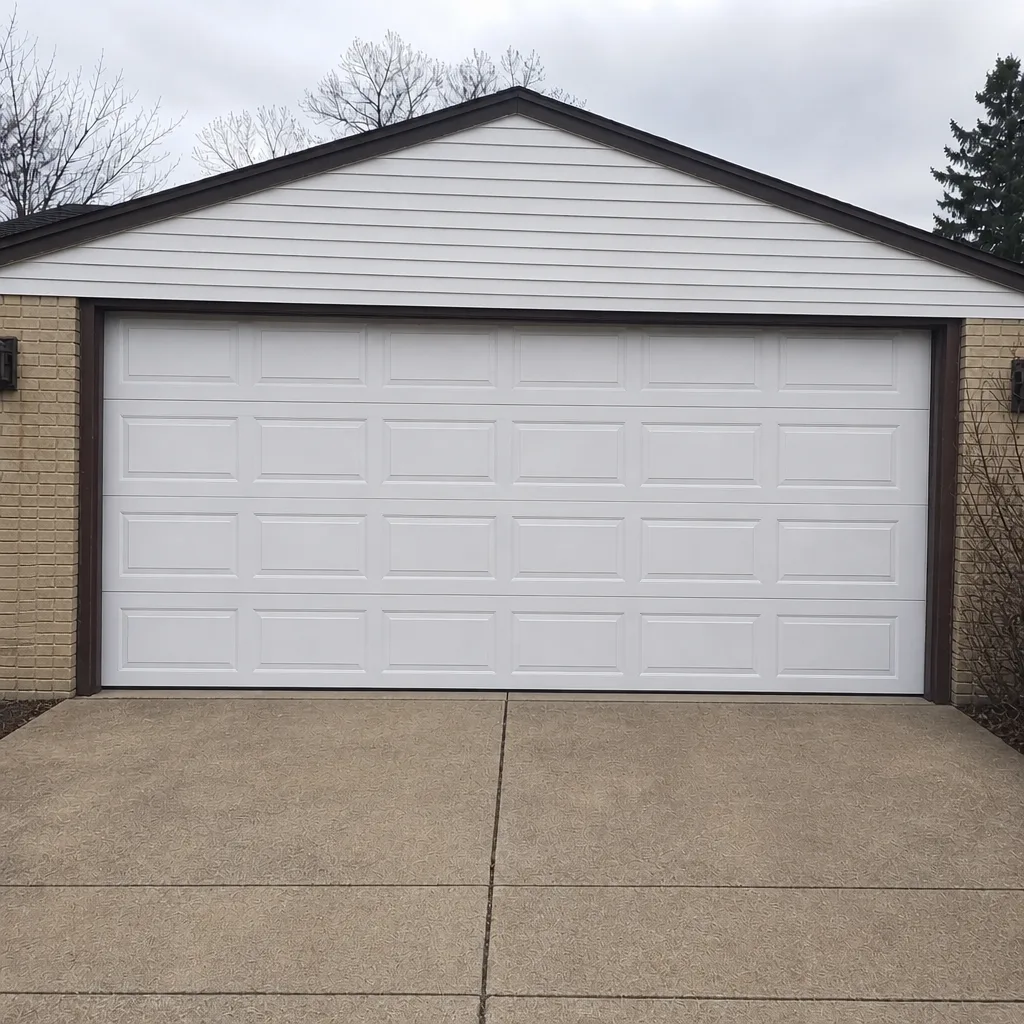 After
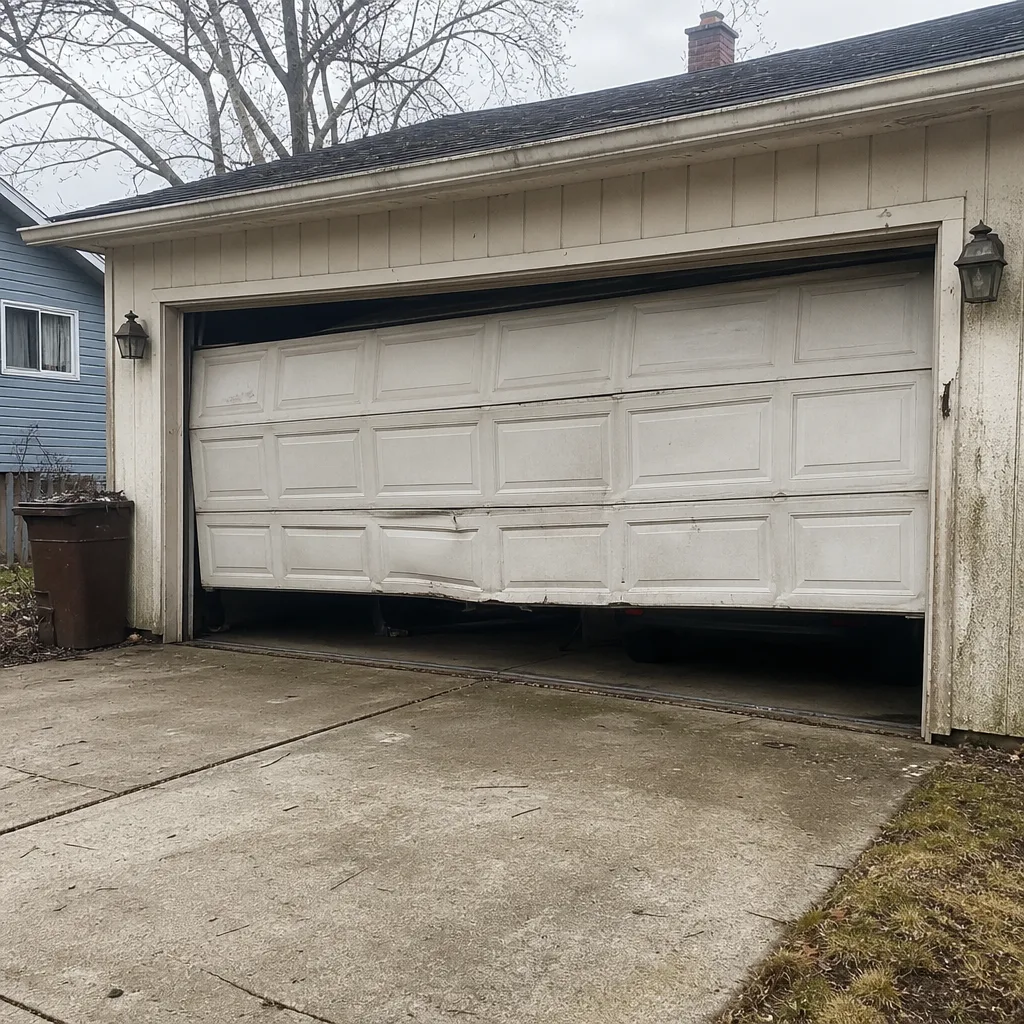 Before
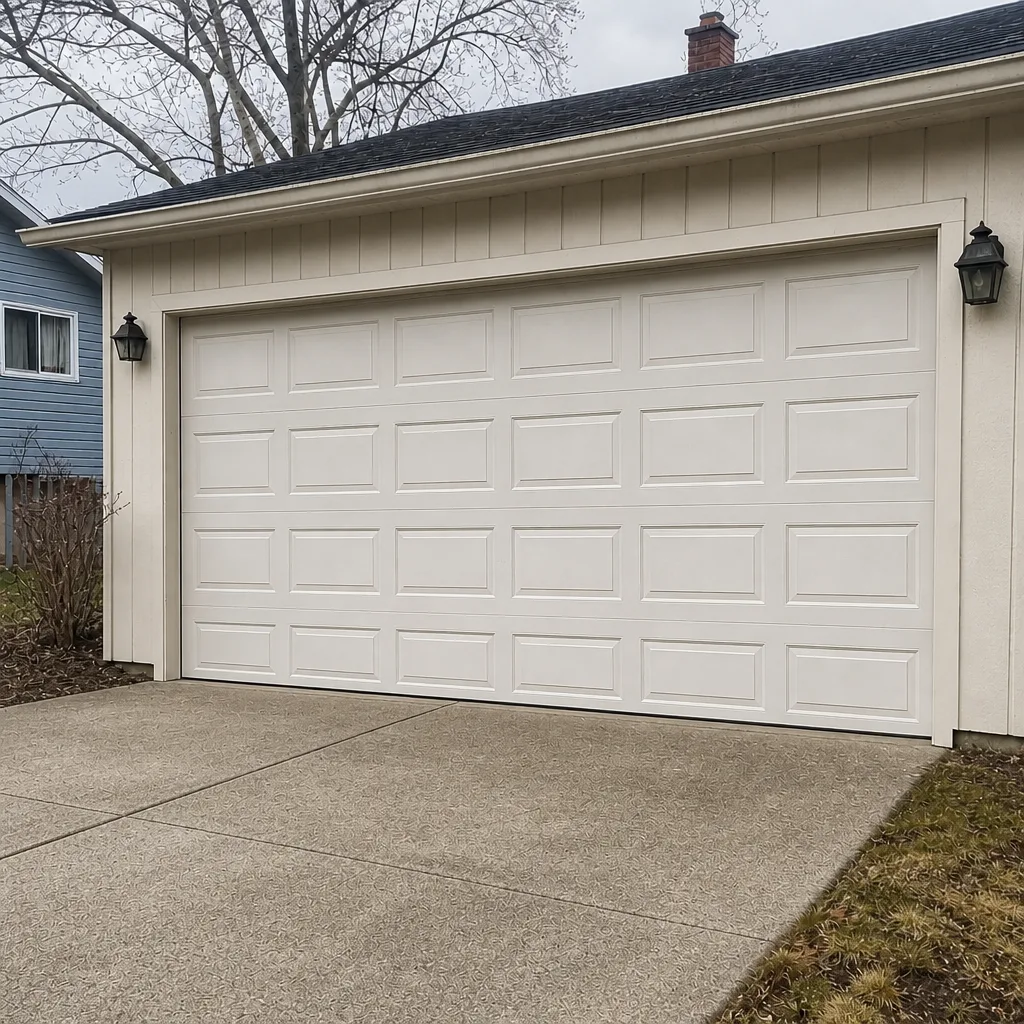 After
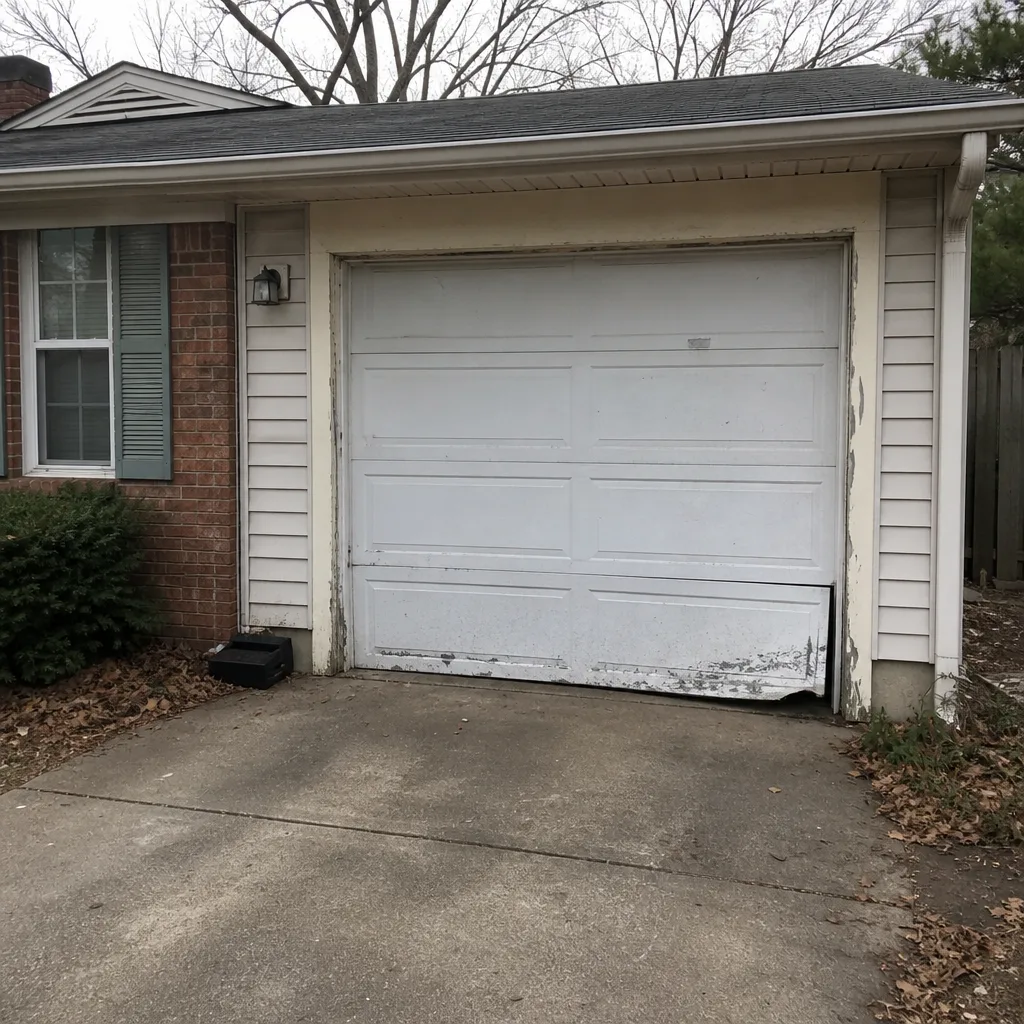 Before
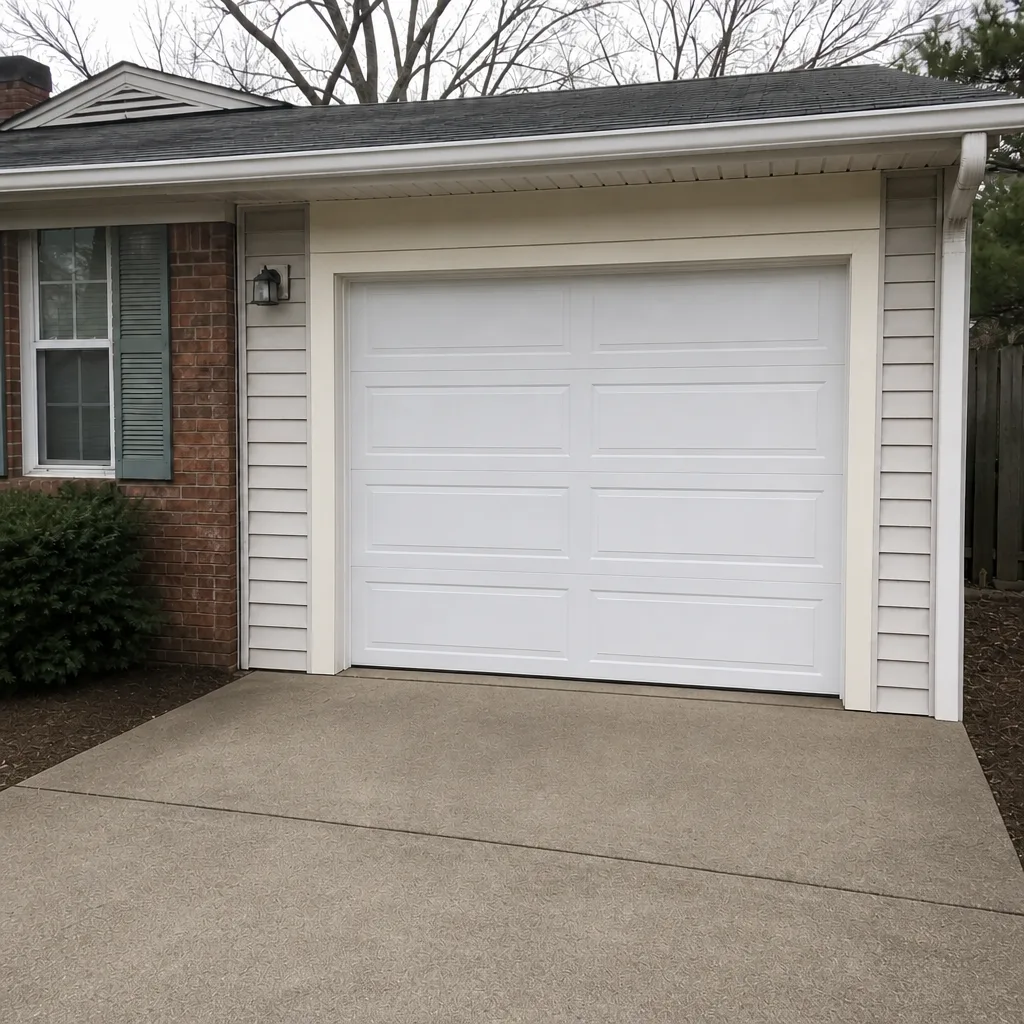 After