
Last updated November 15, 2026
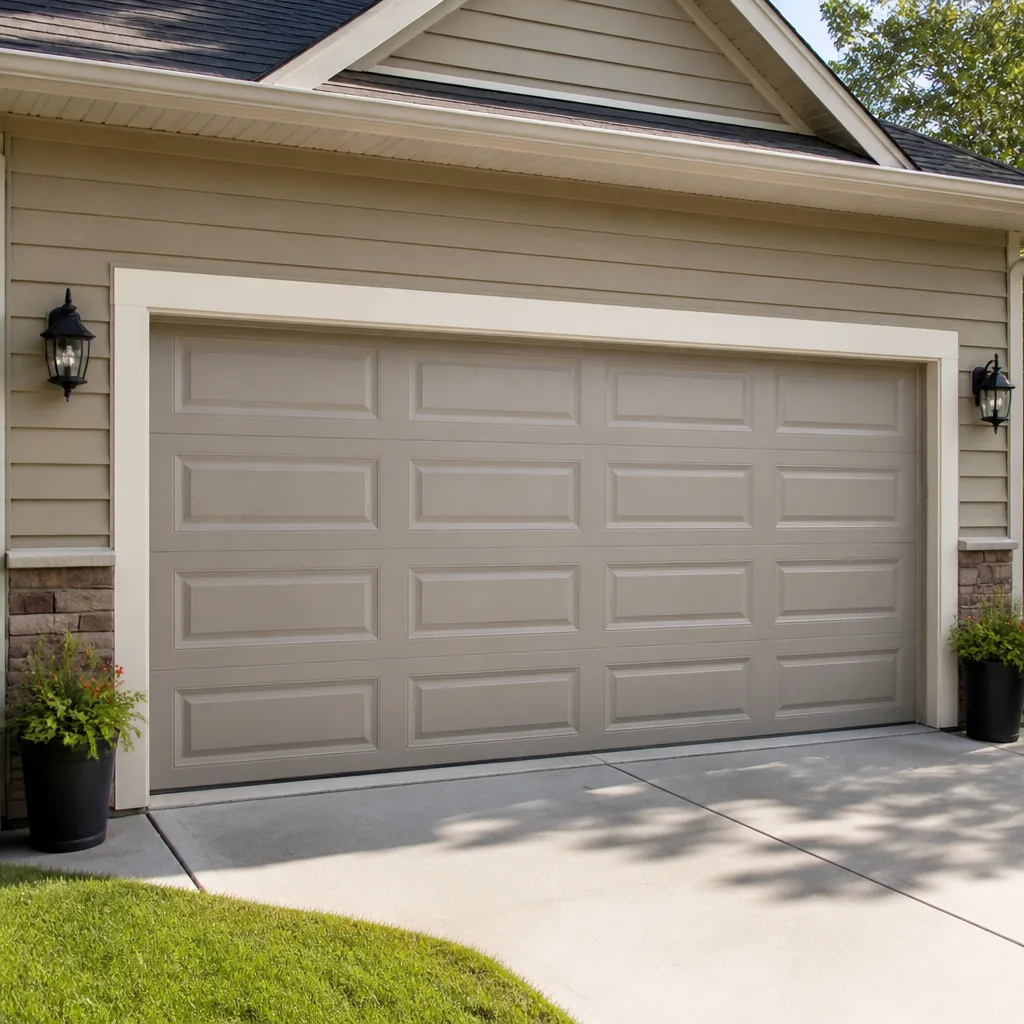 Raised-panel steel
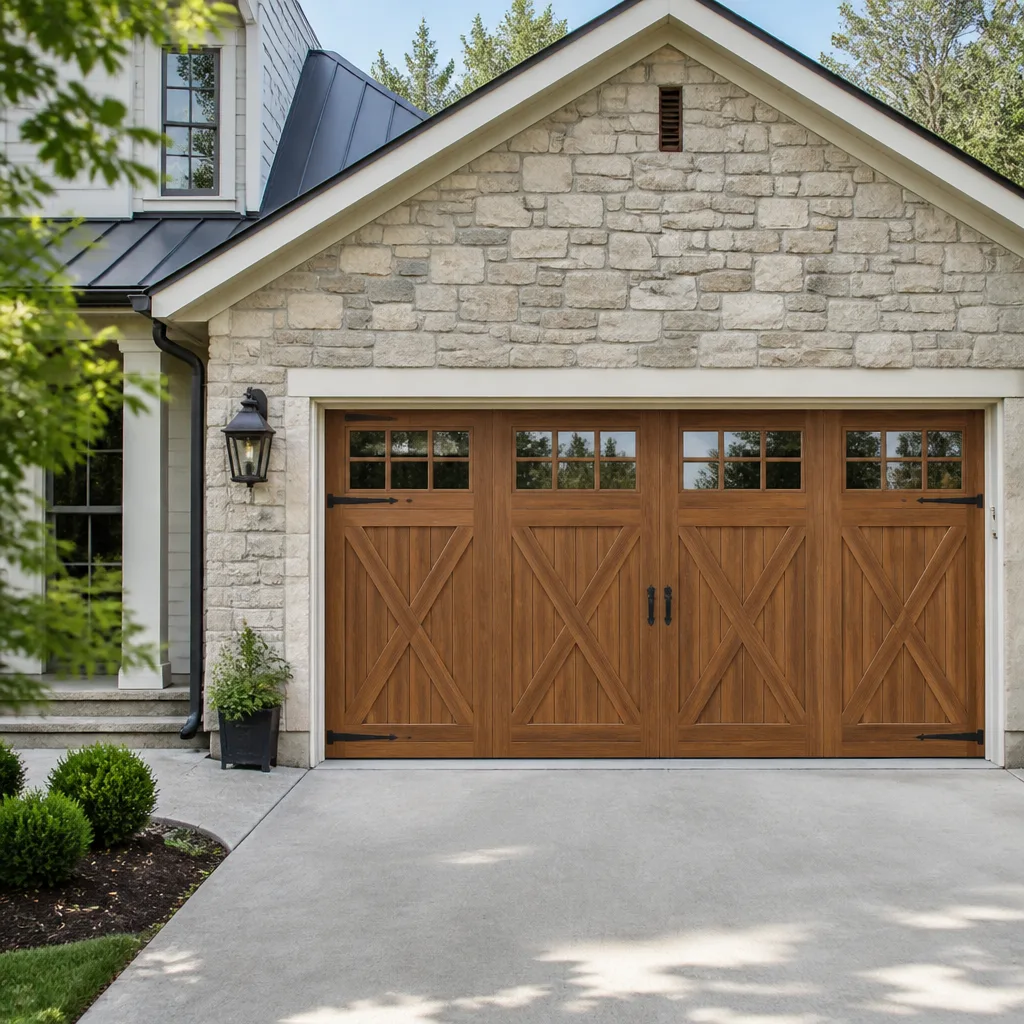 Carriage house
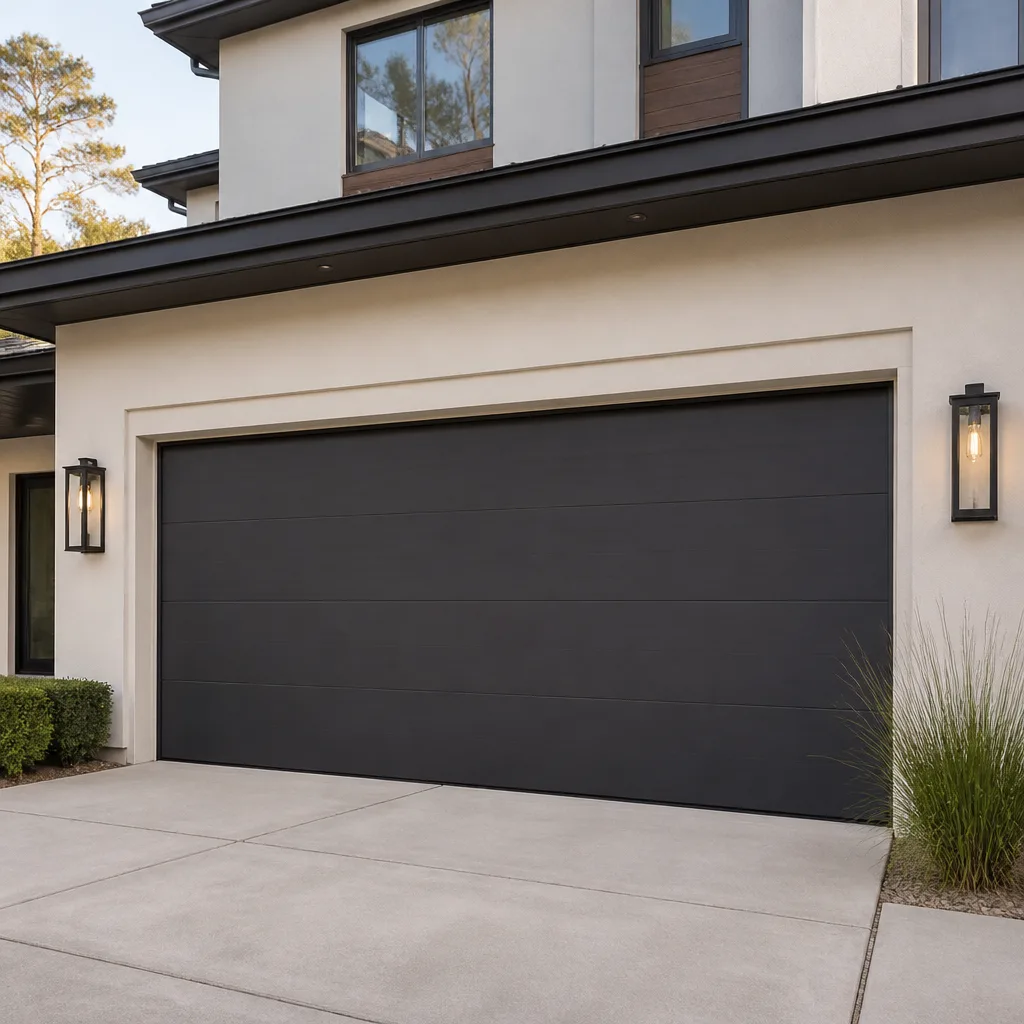 Modern flush
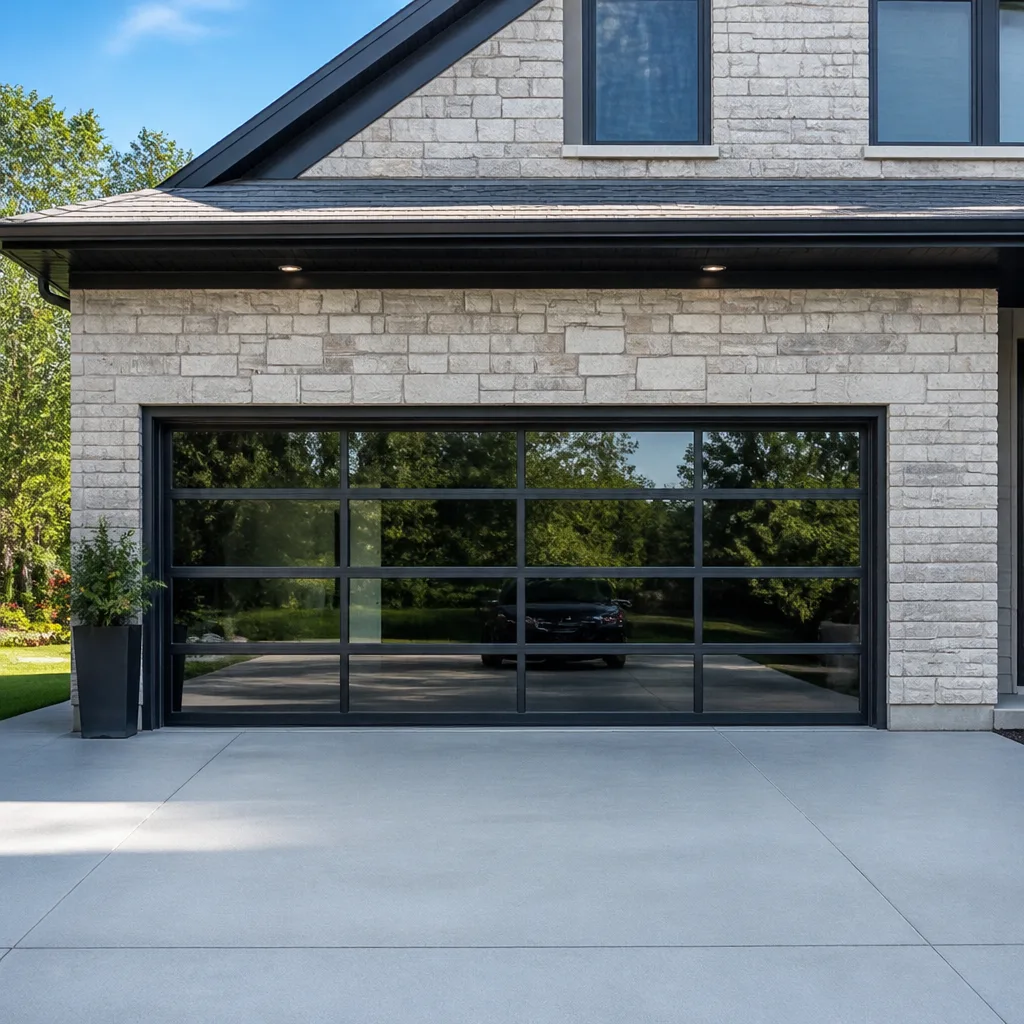 Full-view glass
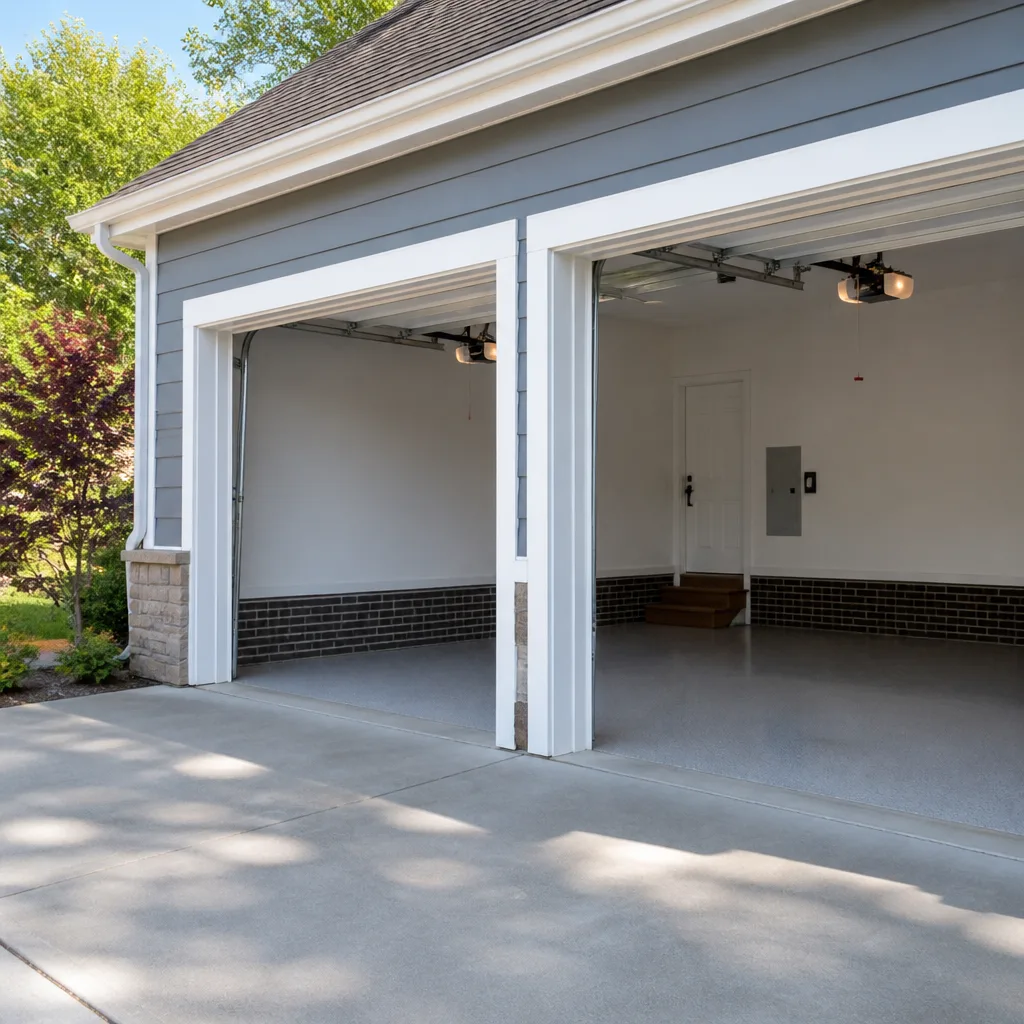 LiftMaster openers
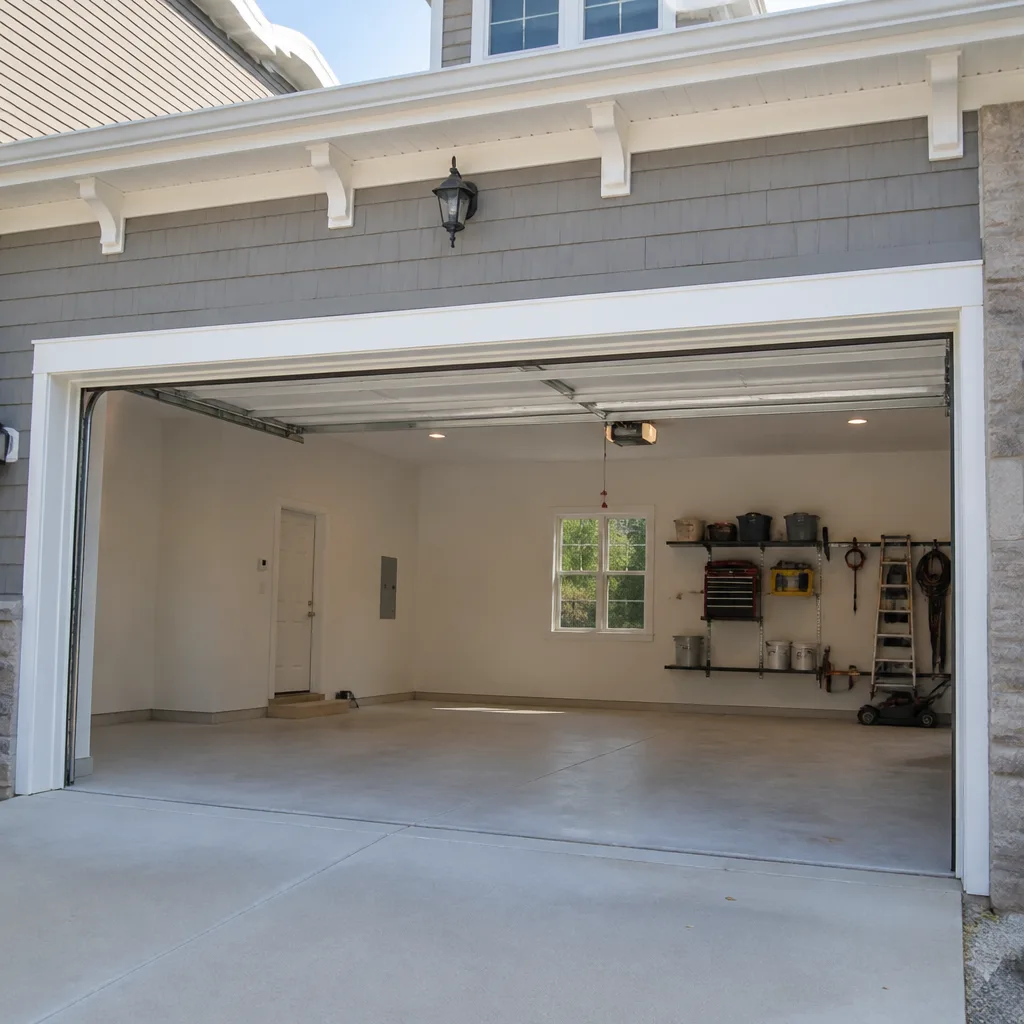 Chamberlain openers
Full 25-point door and opener safety check with every visit - springs, cables, rollers, tracks, and your LiftMaster or Chamberlain opener included
You get a price before we start. It does not change when the pro arrives.
Get your free estimateGarage Door Repair Maintenance Checklist for Ann Arbor Homeowners
The number-one reason Ann Arbor homeowners need a spring repair call isn’t neglect – it’s that they did maintenance in the wrong order last fall and stressed components that were about to be loaded by winter contraction. Most checklists online give you a flat list of seven chores with no sequence, and that’s where things go wrong: you lubricate a moving door before you’ve inspected the parts that are already fatigued, and the smooth motion gives you false confidence that a failing coil is fine. This guide fixes the order. It’s built around the failure patterns we actually see in Ann Arbor homes, and it separates what you should check yourself from what belongs to a technician.
Quick Answer
A garage door maintenance checklist for Ann Arbor homes should run in this order: visual inspection of springs, cables, rollers and seals before any lubrication; a balance and alignment test with the opener disconnected; lubrication of moving metal parts last; and a monthly safety-reverse test. Freeze-thaw cycles and road salt across Washtenaw County drive the specific failures worth watching – cable fraying, bottom-seal decay, and opener logic problems in humid shoulder seasons. Inspect monthly, do the deeper check in early fall, and leave springs and cables to a professional.
Styles & brands we work with
- Raised-panel steel
- Carriage house
- Modern flush
- Full-view glass
- LiftMaster openers
- Chamberlain openers
Table of Contents
- Why the Order of Your Checklist Matters More Than the List
- The Monthly Walk-Around: What to Check in Five Minutes
- Cable Tension: A Safe Diagnostic You Can Do Without Touching the Springs
- Bottom Seals and Road Salt: Choosing a Compound That Survives Ann Arbor Winters
- Humidity and Your Opener: The March and October Check
- Springs: What You Can Observe and What You Should Never Touch
- The Early-Fall Checklist That Gets Your Door Through Winter
- Task and Interval Table: DIY vs. Professional
Why the Order of Your Checklist Matters More Than the List
Lubricating first is the most common mistake we see on garage doors around Ann Arbor. It feels productive – the door quiets down, it glides smoother – but if a torsion spring has already lost tension or a cable has begun to fray, the lubrication just hides the symptom for a few more weeks. When that part finally goes, it can go under load, in the middle of a Michigan cold snap, and the repair is bigger than it needed to be.
The correct order runs from inspection to action:
- Look before you touch. With the door closed, examine springs, cables, hinges and rollers for obvious wear.
- Test the balance. Disconnect the opener and lift the door halfway by hand. It should hold position without drifting.
- Check the safety reverse. Place a small object in the door’s path and confirm the door reverses on contact.
- Lubricate last. Only after you’ve confirmed nothing is failing should you apply lubricant to hinges, rollers and the tracks.
The logic is simple: lubrication is maintenance on healthy parts. It’s not a diagnosis. If you suspect a spring or a cable is already compromised, stop at step one and get a trained technician to look at it. We work on whatever brand is on your door – Genie, Clopay, Amarr, Wayne Dalton and others – so there’s no brand that needs a specialist referral.
The Monthly Walk-Around: What to Check in Five Minutes
A five-minute walk-around once a month catches nearly every issue before it becomes a repair bill. You don’t need tools for most of it – just a flashlight and a quick eye on the moving parts.
- Listen. A door that groans, squeals or grinds is telling you something. New sounds are worth investigating; old ones that haven’t changed are usually just dry hardware.
- Look at the tracks. They should be straight, parallel and clean. Any dent or bend in the track of more than a slight deviation is a technician call – rolling on a bent track wears the rollers and the door itself.
- Check the rollers. Nylon rollers should look intact and spin freely when the door moves. Metal rollers can develop flat spots. Rollers are a cheap part that wears out with use, especially in a household with multiple cars.
- Look at the spring coils. A healthy torsion spring has coils with consistent gaps between them. A stretched or uneven gap suggests the spring has lost tension and should be assessed.
- Check the bottom seal. Run your hand along the bottom edge of the door. A seal that’s become stiff, cracked or brittle means it’s no longer keeping out the weather.
- Open and close once, slowly. Watch for any side-to-side wobble or hesitation. Smooth travel is the baseline.
Ann Arbor’s temperature swings make the monthly check more valuable than it might be in a warmer climate. A door that ran clean in August can start feeling stiff by early November, and the problem is usually a combination of contraction and dried-out hardware rather than anything wrong with the door itself.
Cable Tension: A Safe Diagnostic You Can Do Without Touching the Springs
This is the diagnostic step most checklists skip entirely, because authors worry readers will mistake it for spring work. It isn’t. Cables and springs are two different systems, and cable tension can be checked visually without touching anything under tension.
The cables are the thin steel wires running down each side of the door from the drum at the top to the bracket at the bottom. They should be taut, straight and consistent on both sides. What you’re looking for is asymmetry – one side visibly looser than the other – or any sign of fraying.
- With the door closed, stand to the side and look down the length of each cable. Both should look equally taut and equally straight.
- Look at the ends. Frayed cable strands look like a small wire brush at the crimp or at the drum. Any fraying on a lifting cable means the door shouldn’t be operated until a technician inspects it.
- Check where the cable meets the drum. The cable should be seated in the groove, not spiraled over itself or wedged against the flange.
- Check the bottom bracket. The cable terminates here. A bracket that’s bent or has moved is a sign of a problem elsewhere in the system.
Freeze-thaw cycles are the main reason cable issues show up in Ann Arbor homes. Metal contracts in cold weather; a cable that’s already at the edge of its tolerance can stretch past it on the coldest nights. Between November and March, a monthly visual check on the cables is worth doing even if you skip the rest of the checklist. Cables are also under load – even when the door is fully closed – so this is inspection only. Never try to adjust or re-tension a lifting cable yourself. If anything looks off, call us for garage door repair and we’ll take it from there.
Bottom Seals and Road Salt: Choosing a Compound That Survives Ann Arbor Winters
The bottom seal is the part of your garage door that does the most work and gets the least attention. It keeps out weather, pests and drafts, and it takes constant abuse from the ground it sits on. In Ann Arbor, road salt is the particular enemy – it gets tracked into the garage by tires and sits against the seal, drying it out and cracking it faster than a milder climate would.
Not all bottom seals are created equal. Three materials are common, and the choice matters:
- Vinyl: Affordable and weather-resistant, but it hardens in sustained cold. It can hold up for a couple of seasons in a sheltered garage but doesn’t tolerate road salt contact well.
- Rubber (EPDM): The most durable option for a Michigan climate. EPDM stays flexible in cold temperatures, resists salt and oil exposure, and holds its seal longer. If your door needs a replacement bottom seal, this is the compound we’d recommend for an Ann Arbor home.
- Foam-filled vinyl: Vinyl with a foam insert that improves the seal against uneven floors. Better than plain vinyl, but the foam inside can still stiffen in sustained cold.
Whatever the material, the seal should be replaced when it’s cracked, torn or has visibly compressed to the point where it no longer touches the floor. A gap of even a sixteenth of an inch is enough for drafts, cold air and pests to get in. Clean out any salt residue that’s accumulated at the base of the door once a month during the winter – a quick rinse with a garden hose after the last freeze is usually enough.
Humidity and Your Opener: The March and October Check
Michigan’s humid shoulder seasons do more to a garage door opener than most homeowners expect. March and October are the two months when the temperature swings hardest, and that’s exactly when the electronic guts of an opener are most stressed. The logic board in particular is sensitive to humidity fluctuation, and we see a predictable spike in opener failures right at those transitions.
Before your opener quits altogether, there are a few warning signs worth checking:
- Intermittent response. If the door sometimes opens and sometimes doesn’t on the first press of the remote, the problem is often the logic board, not the remote or the battery.
- The opener runs but the door doesn’t move. That usually means the travel module or the drive gear is slipping – a known failure point on some units.
- The safety reverse fires for no reason. The safety eye sensor at the bottom of the track can get confused by condensation or dust, or the sensor itself can degrade.
- Lights flicker or the unit resets itself. Power supply or logic board issue – worth a professional garage door opener repair diagnosis rather than continued pressing.
A quick monthly check: press the wall button and count the seconds it takes for the door to start moving. A delay of more than a second or two, or a light that flashes in an unusual pattern, means the opener is running its own diagnostics and should be looked at. In humid months, a quick visual check that the sensor lenses are clean and the track is dry is worth doing. Openers from Genie, LiftMaster, Chamberlain and the rest all have slightly different diagnostic codes, but the symptoms are similar across brands – which is why we can diagnose whatever unit you have.
Springs: What You Can Observe and What You Should Never Touch
Torsion springs store an enormous amount of energy. When they fail, they fail suddenly and dangerously – a broken spring can send the door crashing down. This is one of the most dangerous components of the system, and it’s not something to work on yourself. Ever.
What you can do, safely, is look at them:
- Look for a physical break. With the door closed, a broken torsion spring usually has a visible gap in the coil, often with a protective safety cable visible through it. Extension springs (overhead on some doors) show a similar break.
- Look at the spacing. Coils that are stretched, uneven or compressed in one section suggest fatigue, even if the spring hasn’t broken yet.
- Look for rust and paint wear. Spring coils lose paint as they cycle. Rust accelerates fatigue. Visible rust on the spring coil is a sign to have it checked.
- Listen for a snap. If you hear a single loud crack and the door won’t lift, the spring has likely broken. Don’t operate the door – and don’t walk under it – until a technician confirms.
If a spring has failed, we can advise on repairs and pricing by phone. The written estimate sets the final price before any work starts. Our technicians have up to 12 years of experience, and spring replacement is one of the most common jobs we handle across Ann Arbor neighborhoods. If you’re not sure what you’re looking at, the answer is always to call. An Ann Arbor technician can inspect the system on site.
The Early-Fall Checklist That Gets Your Door Through Winter
Early fall is the right time to do the deeper check because the door is between seasons: not yet loaded by winter, but past the summer heat. Here’s the sequence we recommend for Ann Arbor homeowners, in order.
- Inspect springs and cables. Do this first, before lubrication. A cable that’s started to fray in the fall has three months of cold nights left to fail.
- Test the balance. Disconnect the opener and lift the door halfway. It should stay put without drifting. A door that drifts down is out of balance – usually a sign of spring fatigue.
- Test the safety reverse. Place a 2×4 flat on the floor under the closing door. It should reverse on contact. If it doesn’t, the opener’s downward force limit needs adjustment.
- Lubricate hinges and rollers, not the tracks themselves. A silicone-based or garage-door-specific lubricant works best. The tracks should be cleaned and wiped dry, not greased.
- Replace the bottom seal if it’s cracked or stiff. This is a fall job – the seal does its most important work over the winter, and you want it fresh, not on its last legs.
- Check the weatherstripping on the door frame. The strips around the opening, not the bottom seal, are what keep wind-driven snow and rain out. If they’re brittle, replace them.
- Test the opener’s auto-reverse and force settings. Get out the manual for your model and confirm both are set right. Most openers have a learn button on the motor head; the brand doesn’t change the principle.
- Clear the track for winter. Leaves and grit build up in the track and freeze. Wipe the tracks down and check that nothing is trapped.
Doing these in this sequence means you’re not confusing lubrication for health. A door that’s smooth and quiet after step four should also pass the balance test in step two – if it doesn’t, the lubrication has concealed a real problem. Get it looked at.
Task and Interval Table: DIY vs. Professional
Here’s where your responsibility ends and a technician’s begins. No maintenance plan works if it asks you to do something you shouldn’t. Use this table as a working reference.
| Task | Interval | Who |
|---|---|---|
| Visual inspection: springs, cables, rollers, seals | Monthly | DIY |
| Cable tension visual check | Monthly (Nov – March) | DIY (look only) |
| Balance test (with opener disconnected) | Quarterly | DIY |
| Safety-reverse test | Monthly | DIY |
| Lubricate hinges and rollers | Twice a year (spring, fall) | DIY |
| Clean tracks | Twice a year | DIY |
| Check bottom seal and frame weatherstripping | Seasonally | DIY (inspect) / Pro (replace) |
| Opener force and travel adjustment | Annually | Professional |
| Full system inspection (springs, cables, opener, hardware) | Annually, before fall | Professional |
| Spring replacement | As needed | Professional only |
| Cable replacement or re-tensioning | As needed | Professional only |
| Roller, hinge or track replacement | As needed | Professional |
| Opener logic board, travel module or sensor repair | As needed | Professional |
| Full door replacement | As needed | Professional |
The pattern is this: you inspect, and we repair. There’s no shame in drawing the line at springs, cables and opener internals – those are the components where a mistake can cause injury or a bigger repair. For anything on the “professional only” side, Sage Garage Door Repair can handle it, from a stuck spring to a full new door.
Common Mistakes to Avoid
- Lubricating first. We’ve said it, and it bears repeating: lubrication makes a failing component feel healthy. Inspect first, lubricate last, and don’t use lubricant to solve a noise problem you haven’t diagnosed.
- Greasing the tracks. Garage door tracks are supposed to be clean and dry. Grease traps grit and salt, which wears the rollers faster. Wipe, don’t grease.
- Replacing one torsion spring when the pair is worn. If one spring broke, the other one has been cycling the same number of times and is on its way out. Replacing both at once is usually the right call.
- Ignoring the bottom seal in October. A stiff, cracked seal lets in cold air and, worse, lets salt-laden water get under the door. Fall is the time to look at it, not January.
- Pressing the opener harder when it hesitates. A door that sometimes doesn’t respond is telling you something. Continued use of a failing opener can burn out the logic board or, worse, the gear assembly. Get a diagnosis.
- Skipping the safety-reverse test. It’s the easiest thing in the list and the one most likely to prevent an injury. Test it monthly, and always before winter.
- Not moving the car before testing the balance. If the door drifts down during a balance test, you want a clear area underneath. Always move the car out before you disconnect the opener and lift the door by hand.
- Assuming brand equals specialist care. Your door and opener are a system, not a brand. A Wayne Dalton door on a Genie opener needs the same diagnosis as any other combination. Work with someone who services whatever brand is on the door.
See the difference
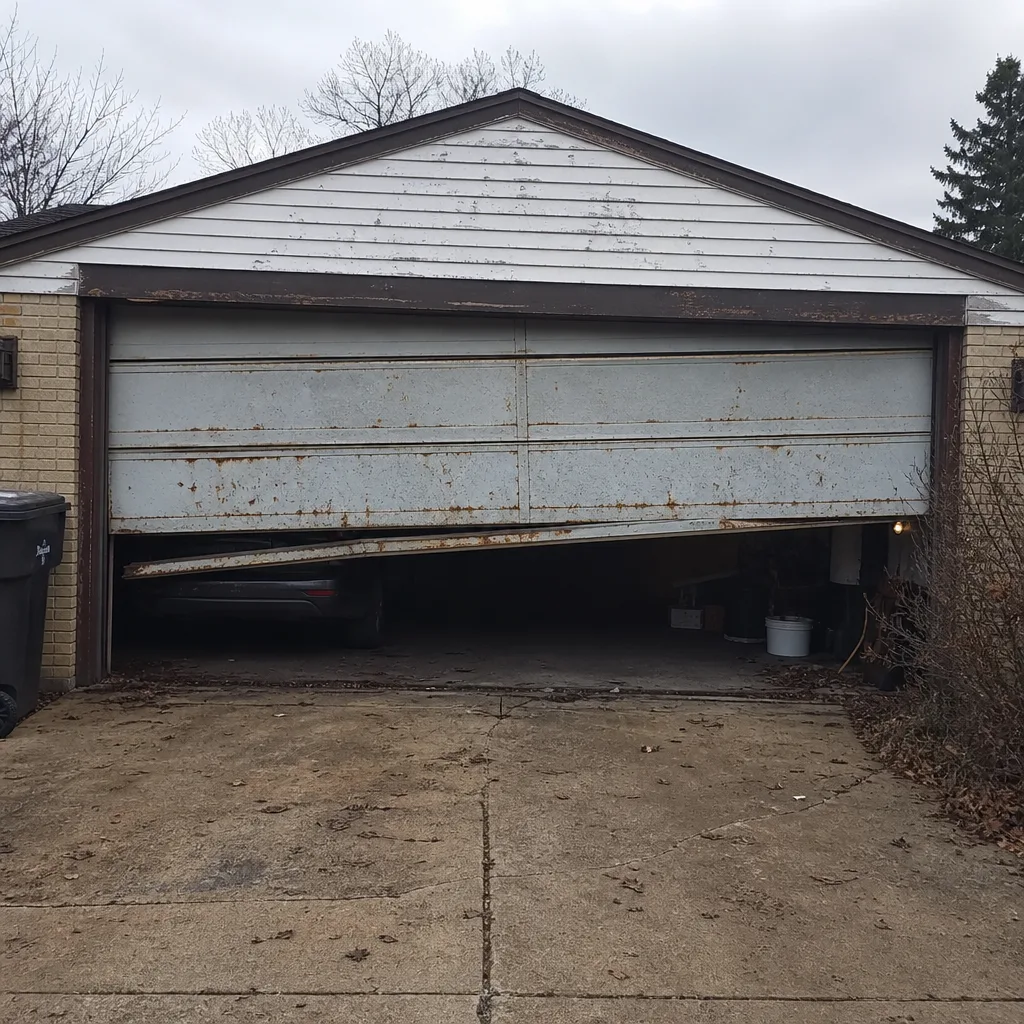 Before
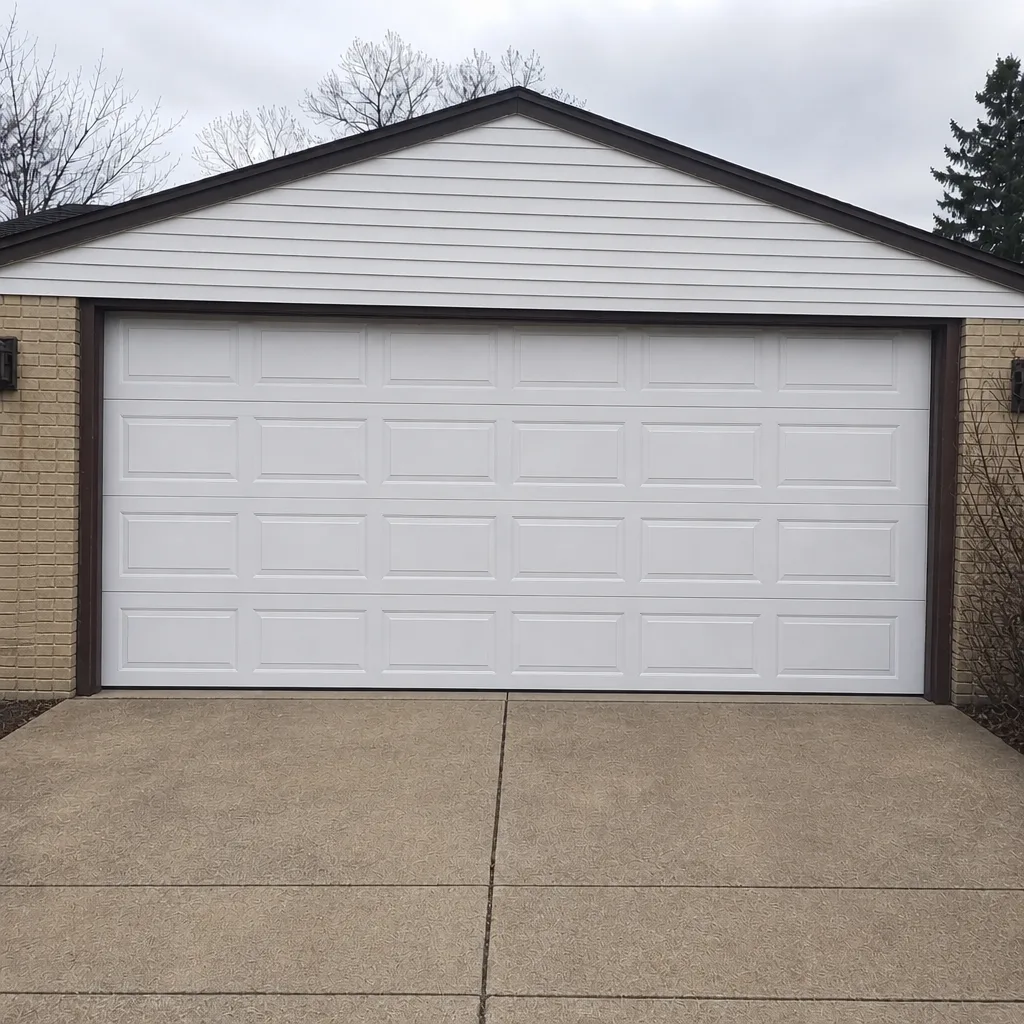 After
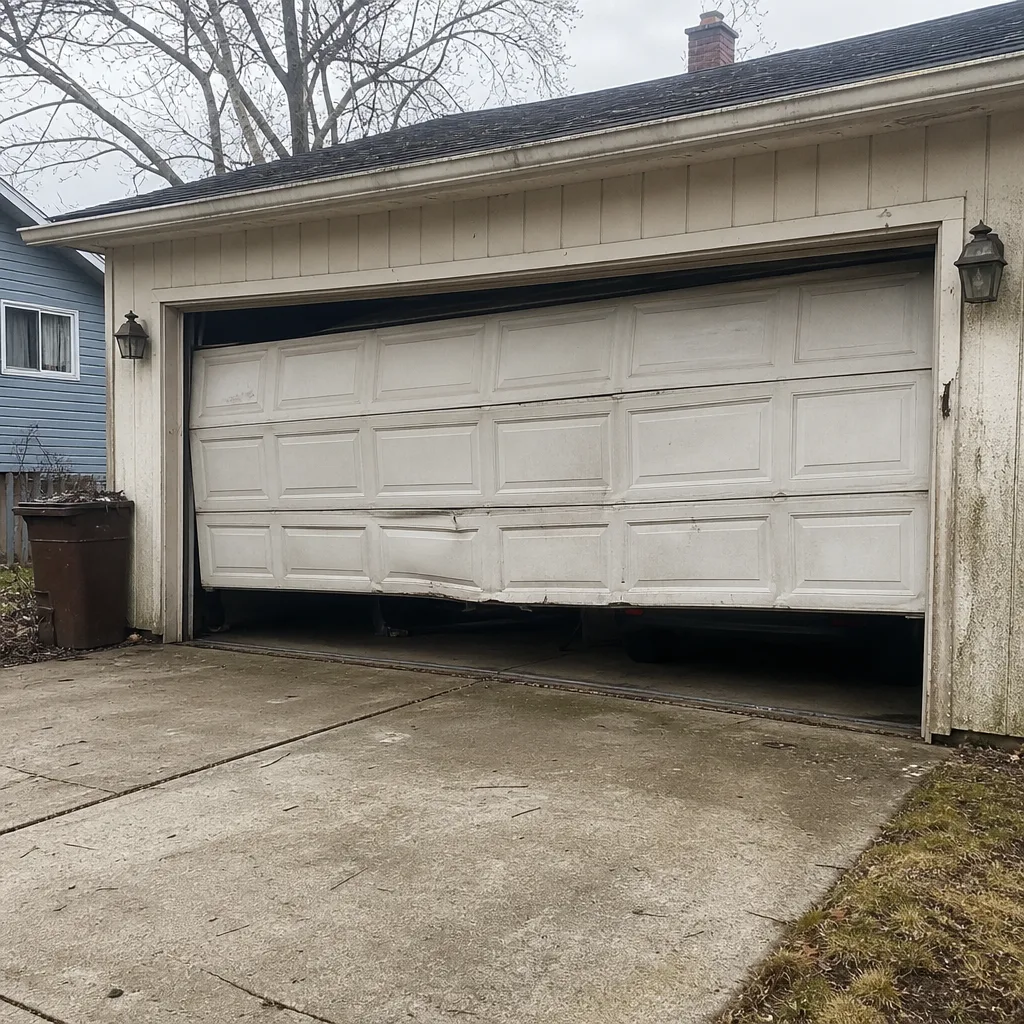 Before
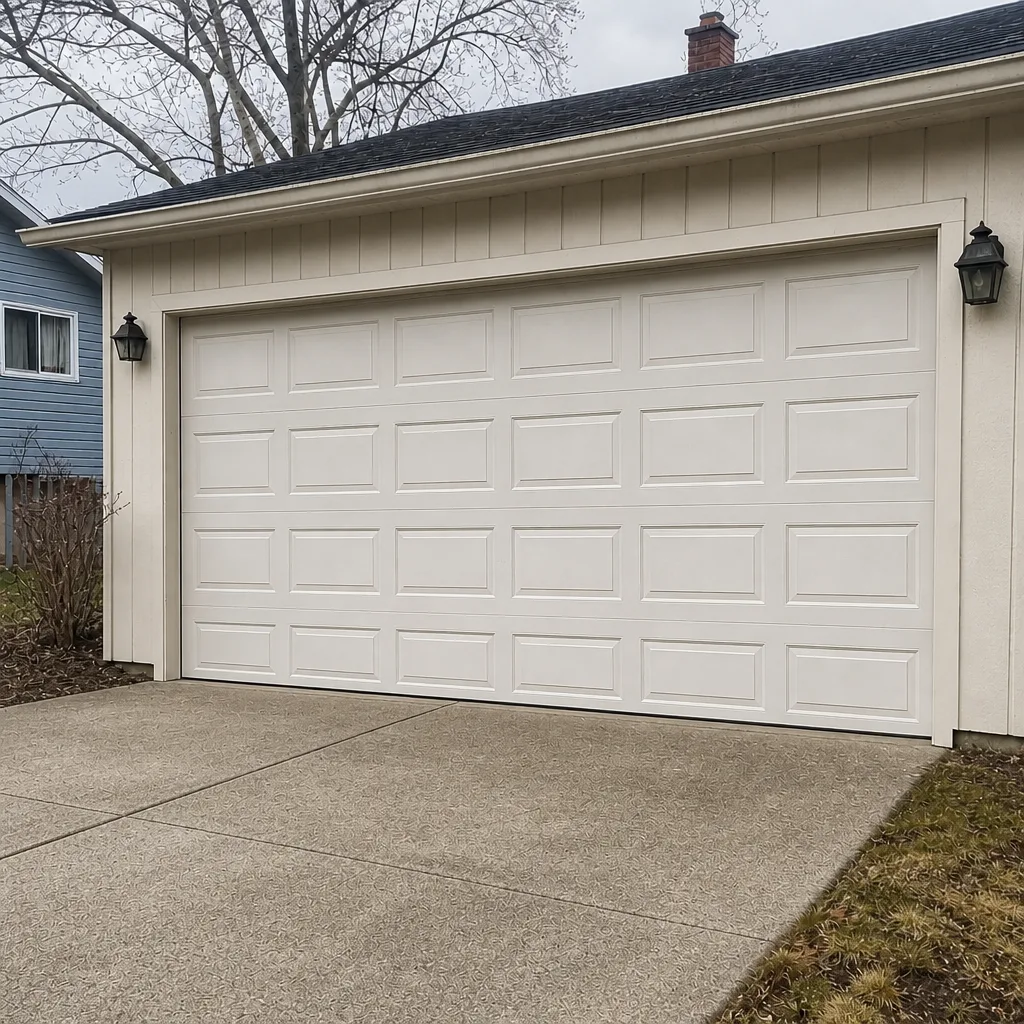 After
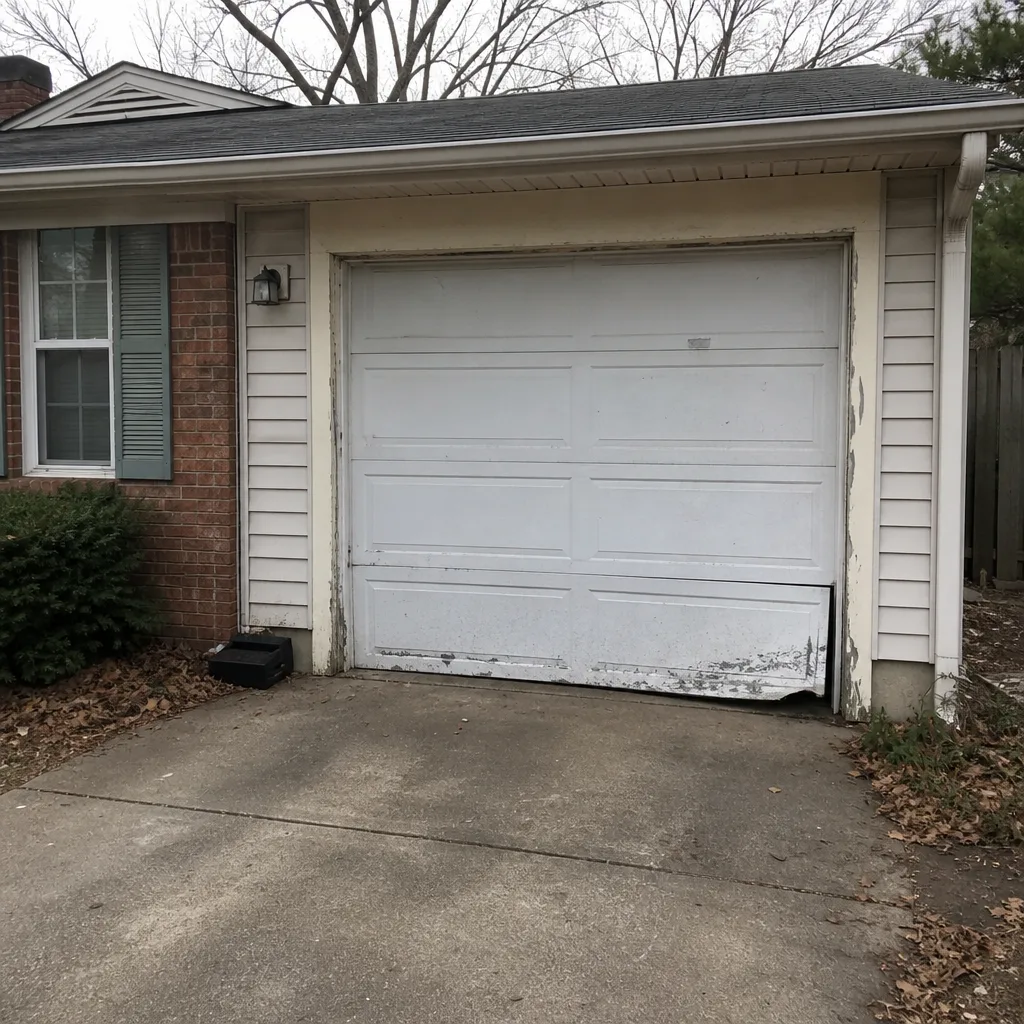 Before
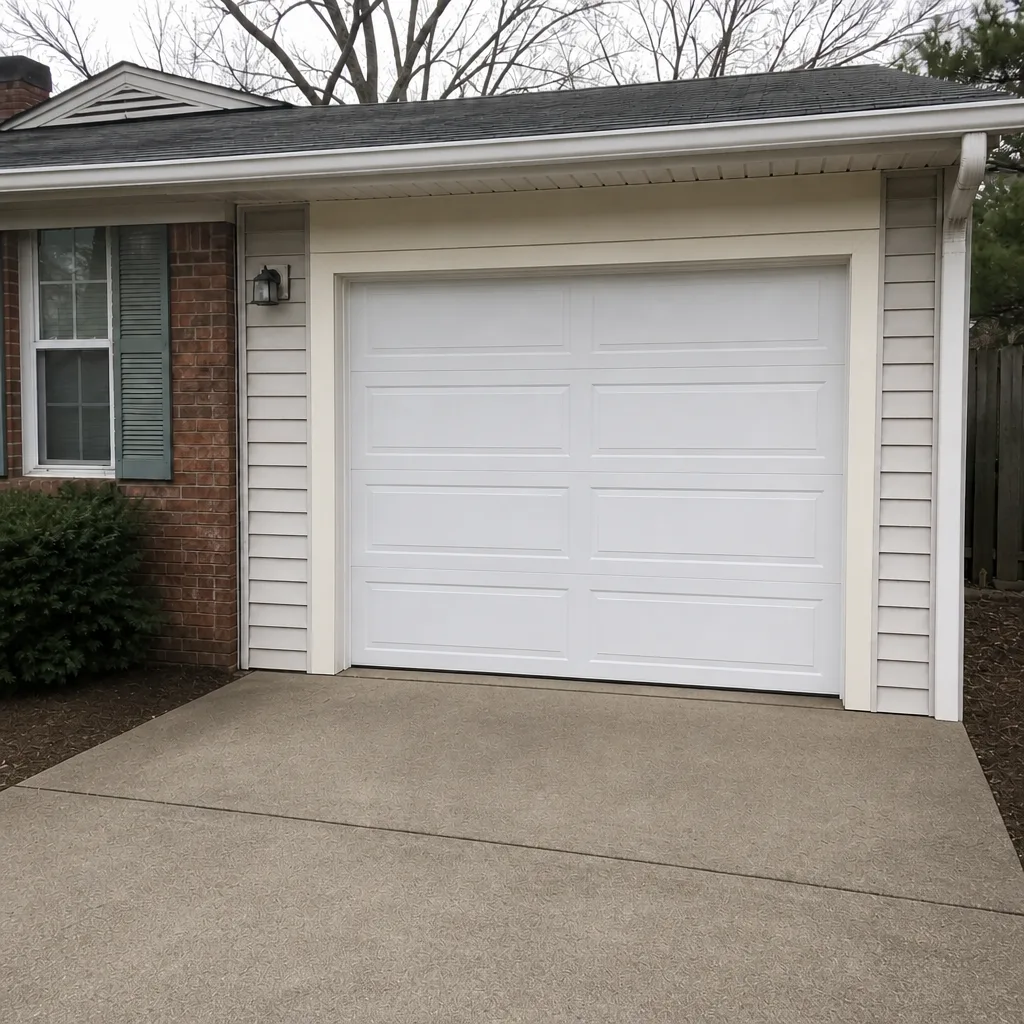 After
When to Call a Professional
Most maintenance is within reach of a homeowner with a few minutes a month. These are the specific situations that aren’t:
- A spring has broken, or the door won’t lift at all.
- A cable is visibly frayed, loose on one side or off the drum.
- The door has come off the track or is hanging unevenly.
- The opener runs but the door doesn’t move, or the opener keeps resetting.
- The safety reverse fails, even after cleaning the sensor lenses.
- The door won’t stay up during a balance test, or drifts down noticeably.
For any of these, the answer is a professional diagnosis rather than a toolbox. Sage Garage Door Repair offers free estimates in Ann Arbor – call (888) 359-3230. We answer 24/7, and fast dispatch from 7am to 7pm Sunday through Friday gets a technician to your door quickly. The price is quoted and agreed before any work starts, and we’ll tell you plainly if the fix is something simpler than the one you expected.
Frequently Asked Questions
Do a quick five-minute walk-around once a month, and a full check twice a year – spring and early fall. The fall check is the important one in Ann Arbor because of the winter load the door is about to take. Call (888) 359-3230 for an exact quote if your fall check turns up anything that needs repair.
Yes, for hinges and rollers. Use a garage-door-specific or silicone-based lubricant twice a year, in spring and fall, and don’t lubricate the tracks. Springs and cables should never be lubricated by a homeowner – leave them to a technician. Call (888) 359-3230 if you want to know which parts of your door are safe to touch.
Pricing depends on the door type, the spring configuration and the number of springs, so we quote per job by written estimate rather than giving a generic figure. A written estimate sets the final price before we start. Call (888) 359-3230 – estimates are free.
Salt tracked in on tires sits against the bottom seal, dries it out and speeds up cracking. Over a Michigan winter, that shortens the life of a vinyl seal noticeably. An EPDM rubber seal holds up much better and is what we recommend for Ann Arbor homes. Call (888) 359-3230 if your seal is due for replacement.
Those are the two months when Michigan humidity swings hardest, and the opener’s logic board is sensitive to that fluctuation. Common signs are intermittent response, short delays after pressing the button, or the door reversing for no reason. A professional diagnosis catches it before the opener quits entirely. Call (888) 359-3230 for a free estimate.
Yes, once a month. Place a small object in the door’s path and confirm the door reverses on contact. If it doesn’t, the opener’s force or travel settings need adjustment. Call (888) 359-3230 – this is exactly the kind of small adjustment we’re happy to make.
Our technicians are experienced professionals with up to 12 years of experience, and they work on whatever brand is on your door – Genie, LiftMaster, Chamberlain, Clopay, Amarr, Wayne Dalton, Craftsman or Raynor. Call (888) 359-3230 to ask about credentials for your specific job; we’ll give you a straight answer.
The Bottom Line
A maintenance checklist only works if you get the order right. Inspect before you lubricate, check the balance before you trust the door, and know where your responsibility ends. In Ann Arbor, the specific failures worth watching are cable fraying from freeze-thaw cycles, bottom seal decay from road salt, and opener issues in humid shoulder seasons. Do the monthly walk-around, do the fall check in the right sequence, and leave springs and cables to a technician. If anything in this guide turns up a problem, call Sage Garage Door Repair at (888) 359-3230. The estimate is free, the price is set before any work starts, and you’ll get a straight answer, not a pitch.
Written by the team at Sage Garage Door Repair.