
Last updated November 15, 2026
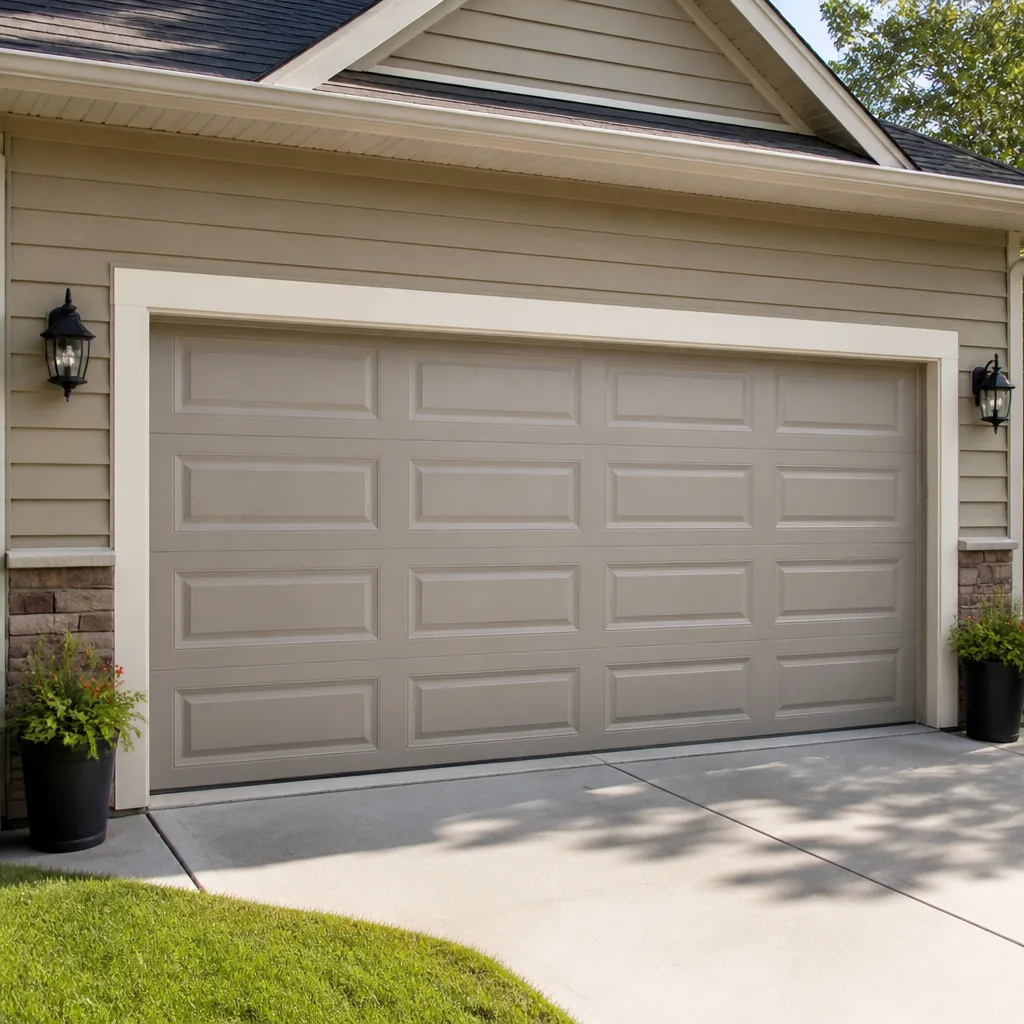 Raised-panel steel
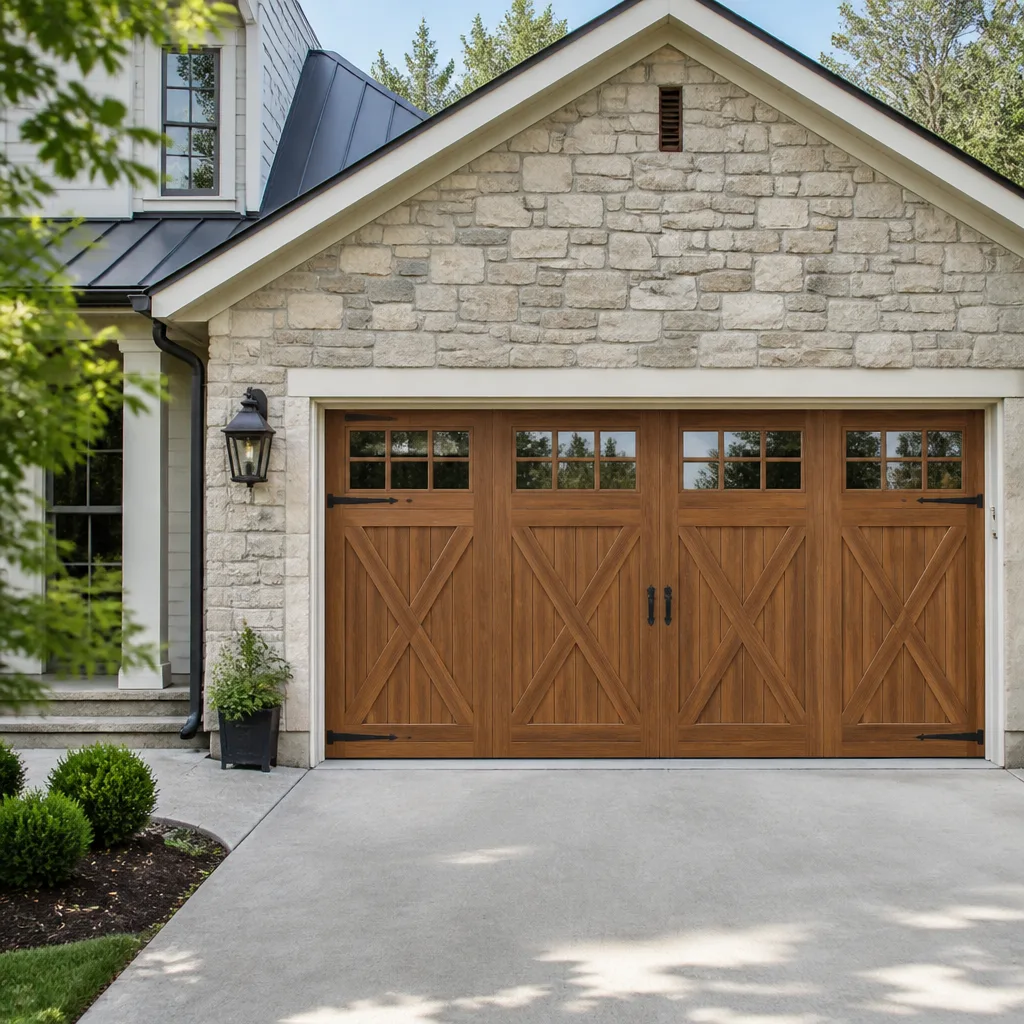 Carriage house
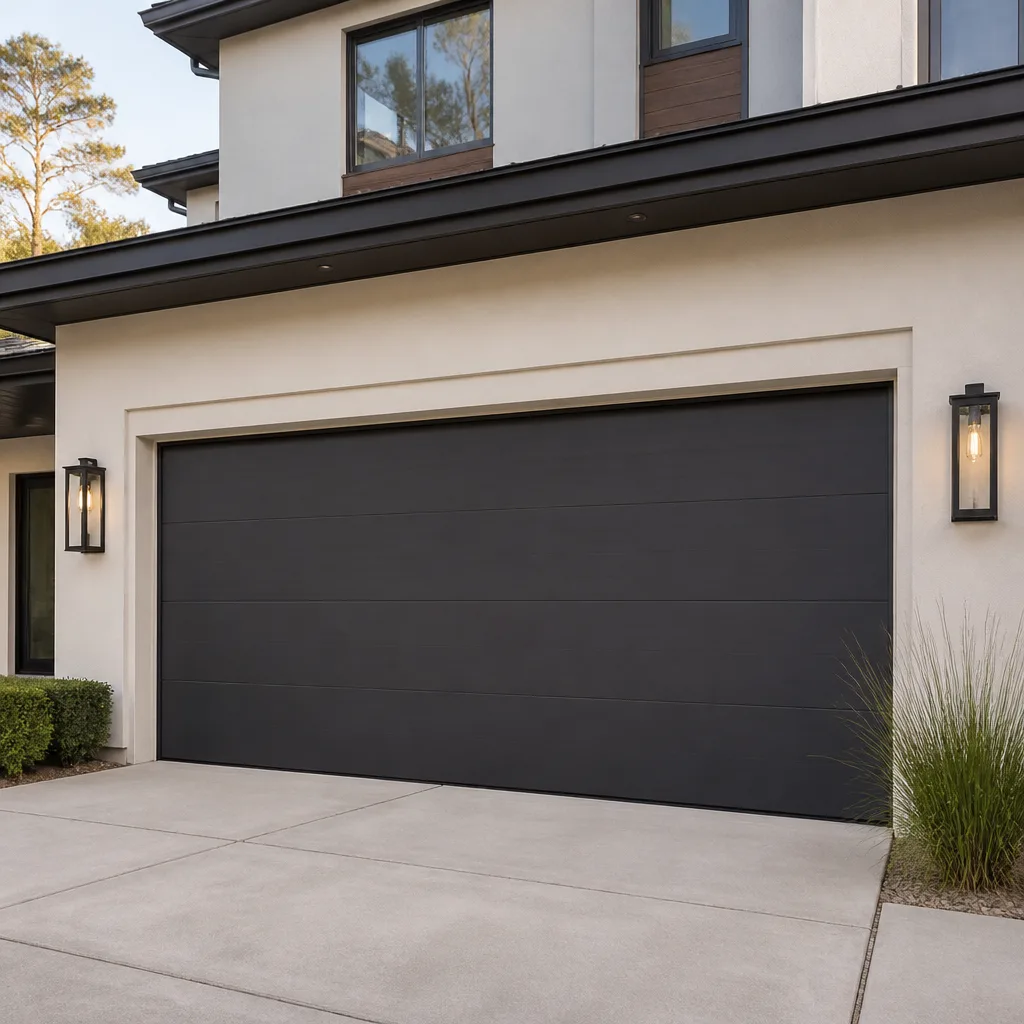 Modern flush
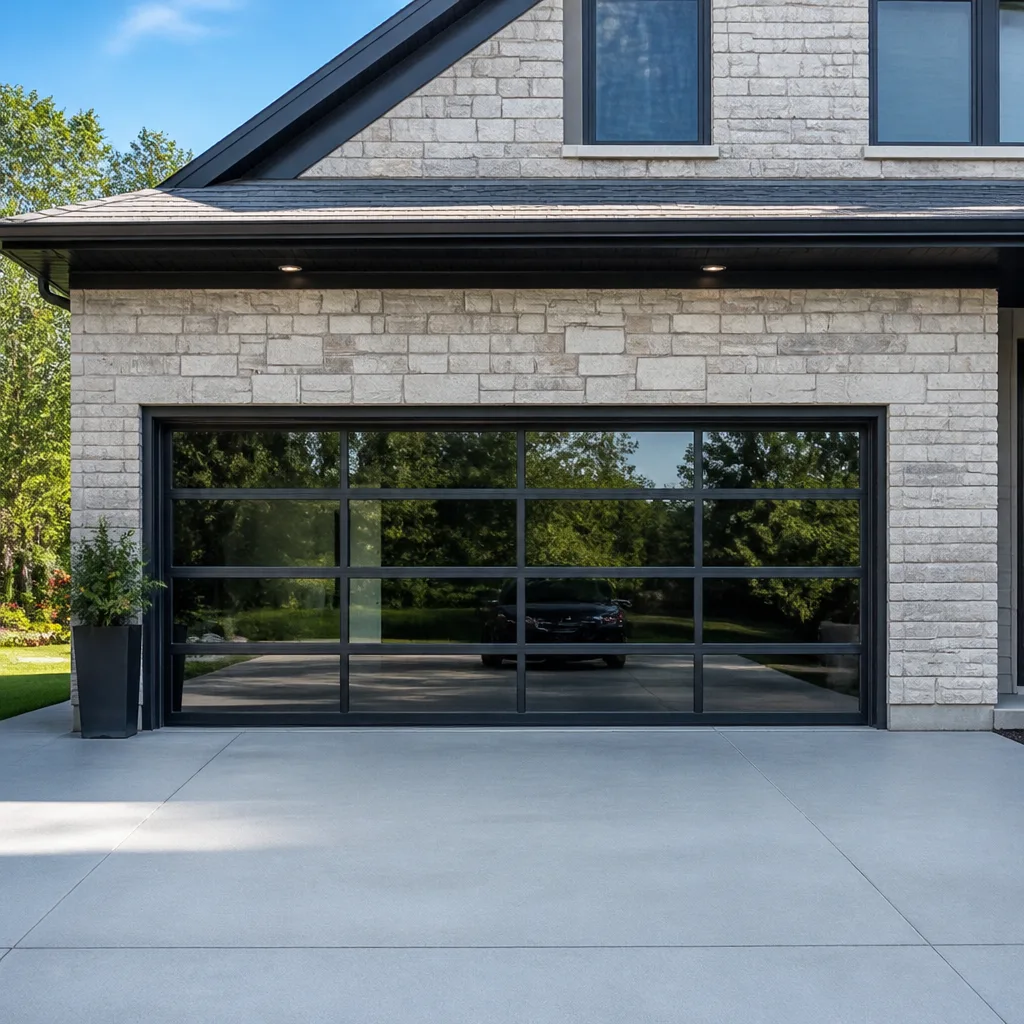 Full-view glass
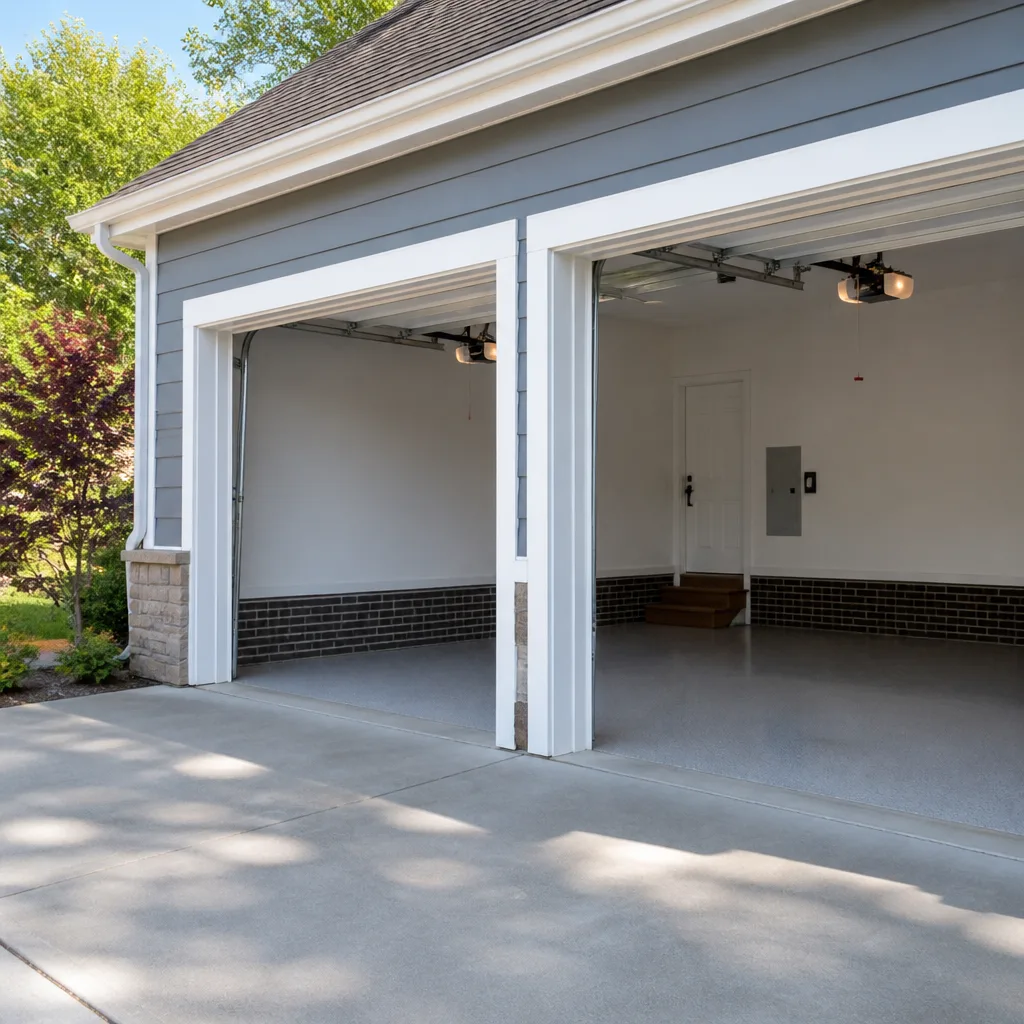 LiftMaster openers
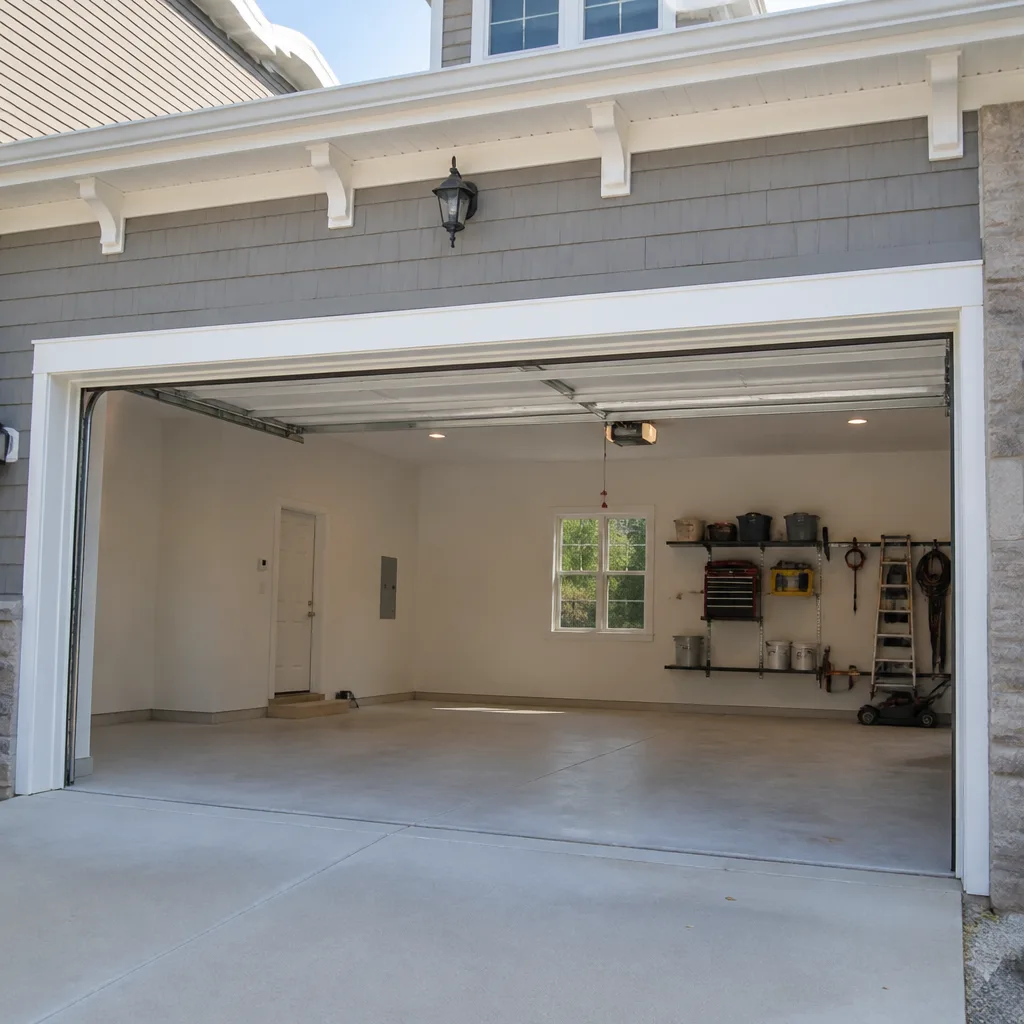 Chamberlain openers
Full 25-point door and opener safety check with every visit - springs, cables, rollers, tracks, and your LiftMaster or Chamberlain opener included
You get a price before we start. It does not change when the pro arrives.
Get your free estimateGarage Door Repair Maintenance Schedule: What to Do and When
Most maintenance guides tell you to lubricate your springs every three months. What they don’t tell you is that lubricating them in August does almost nothing compared to doing it in October, before the cold makes metal brittle. In Ann Arbor, a garage door lives through hard freezes, freeze-thaw cycles that work fasteners loose, humid summers that swell wood and stress seals, and a lot of road grit tracked in on tires. A calendar-driven schedule beats a frequency-driven one every time. This guide lays out a season-by-season maintenance schedule built around Michigan’s actual weather, explains which tasks you can safely do yourself, and shows where the line sits between homeowner maintenance and a professional repair.
Styles & brands we work with
- Raised-panel steel
- Carriage house
- Modern flush
- Full-view glass
- LiftMaster openers
- Chamberlain openers
Quick Answer
A garage door in Ann Arbor needs real maintenance twice a year, not four times: a fall tune-up before the first hard freeze and a spring check after the last thaw, plus a two-minute visual inspection and balance test once a month. Lubricate springs, hinges, and rollers in October, tighten hardware and check weather seals in April, and leave spring, cable, and opener-internal work to a trained technician.
Table of Contents
- Why Ann Arbor’s Climate Sets Your Maintenance Calendar
- The Season-by-Season Garage Door Schedule
- The Fall Checklist: Beating the First Freeze
- The Spring Checklist: Humidity, Seals, and Hardware
- The Right Lubricants for Michigan Temperatures
- The Balance Test and What It Tells You About Spring Life
- Which Maintenance Tasks Protect Your Warranty and Which Void It
- What 45 Minutes a Year Actually Saves You
- Common Mistakes to Avoid
- When to Call a Professional
- Frequently Asked Questions
- The Bottom Line
Why Ann Arbor’s Climate Sets Your Maintenance Calendar
Ann Arbor sits in a climate that swings hard in both directions. Summers bring stretches of heat and humidity that swell wood door panels, soften seals, and make every moving part work a little harder. Winters bring repeated freeze-thaw cycles, and those cycles are what really wear a door down. Water gets into a hinge pin or a roller bearing, freezes overnight, expands, and thaws by afternoon. Repeat that a few dozen times between November and March and metal that was tight in September is loose and grinding by February.
That pattern is why a maintenance schedule anchored to Ann Arbor’s seasons works better than the generic “every quarter” advice. A quarterly checklist treats October and January identically. They aren’t. October is your last clean shot at the door before the cold arrives. January is the worst possible time to discover a problem, because a door that fails then sits until it’s fixed, and a stuck door in an Ann Arbor winter is a real problem for anyone who parks outside.
Two climate forces deserve specific attention:
- Freeze-thaw cycles. Ann Arbor sees repeated freezing and thawing through the winter. This is the single biggest cause of loosened fasteners, stiff rollers, and cracked weather seals in the region. Every fall task is really about preparing for this cycle.
- Summer humidity. Humid stretches stress wood panels and door seals, and condensation on cold metal parts can lead to surface rust on springs and cables if they’re not protected by the right lubricant going into the season.
The neighborhoods matter less than the exposure. A door on a west- or north-facing garage in Ann Arbor takes more weather than one tucked behind a windbreak, and a door that faces the street catches more sun and more thermal cycling. If you’re not sure how exposed your door is, watch it through one full winter and note which months it starts to sound different. That’s your personalized calendar.
The Season-by-Season Garage Door Schedule
Here’s the schedule in one place. Each season has a short list of homeowner tasks and a short list of things to watch for that signal a professional repair is due. If you follow only this section, you’ll already be ahead of most homeowners in Ann Arbor.
- Fall (October, before the first hard freeze): Lubricate springs, hinges, rollers, and the opener’s rail or chain. Tighten all visible bolts and lag screws. Test the balance of the door. Test the safety reverse. Inspect the bottom seal for cracks. Listen for any change in the door’s sound.
- Winter (monthly, quick checks): Open and close the door once and listen. Look for frost or ice buildup on the bottom seal. Clear snow and ice from the door’s path. Watch for any hesitation or sticking in the first few inches of travel.
- Spring (April, after the last thaw): Re-tighten hardware that loosened over the winter. Inspect seals again for damage from ice. Wipe down and re-lubricate springs and hinges. Test the balance again. Check the opener’s safety sensors and alignment.
- Summer (July, mid-season check): Look for humidity-driven swelling on wood doors. Check the bottom seal for warping. Listen for new noises. This is also the right time to book a professional inspection if anything has felt off since spring.
If your door has a modern opener, the summer check is also the moment to test the smart-home connection and the battery in any remote or keypad. We see a lot of Ann Arbor homeowners discover a dead keypad battery during the first cold snap, when they’d rather not be troubleshooting. A five-minute check in July prevents that.
One note on timing: if your door is due for a bigger repair, don’t wait until fall. A door that’s already making noise in August will be worse by October, and the October slot fills up. Our garage door repair service handles both the scheduled tune-up and the unplanned fix, and the same team can look at the opener if the noise is coming from there.
The Fall Checklist: Beating the First Freeze
The fall checklist is the most important one of the year in Ann Arbor. Everything you do in October is preparation for the freeze-thaw cycle that starts in November. Get this one right and the winter is quiet. Skip it and you’ll spend January on the phone.
Work through this in order:
- Lubricate the springs. Use a silicone-based or lithium-based garage door lubricant, not WD-40. Apply a light coat along the length of each spring. Do not touch the springs themselves beyond the lubricant – they’re under high tension and can injure you if disturbed.
- Lubricate hinges, rollers, and the track’s moving contact points. A few drops on each hinge pivot and each roller bearing. Wipe away excess so it doesn’t attract grit.
- Lubricate the opener’s rail or chain. Use the lubricant the opener manufacturer recommends. For belt-drive openers, check the belt for fraying rather than lubricating it.
- Tighten all visible bolts and lag screws. Check the hinges, the track brackets, and the opener’s mounting hardware. Snug, not overtight. Over-tightening can strip a wood frame.
- Test the balance. Details are in the balance test section below.
- Test the safety reverse. Place a small object in the door’s path and confirm the door reverses on contact. Also test the photo-eye sensors by blocking them and confirming the door won’t close.
- Inspect the bottom seal. Look for cracks, brittleness, or gaps. A worn seal lets cold air and moisture in and stresses the door’s operation.
- Listen during the last few open/close cycles. If you hear a new noise, note it. A creak is normal; a grind or a snap is a signal.
That whole list takes about 45 minutes for a typical two-car door. It’s the single highest-value maintenance window of the year in Ann Arbor, and the difference between doing it in October versus doing it in August is real. Metal parts that are freshly lubricated going into the freeze are protected. Metal that’s been sitting dry through a hot, humid summer and then hits the first freeze is already a step behind.
The Spring Checklist: Humidity, Seals, and Hardware
Spring in Ann Arbor is the second key window. The thaw does its own kind of damage: freeze-thaw cycles have loosened fasteners, seals have cracked, and the door’s balance may have shifted. Spring maintenance is about resetting everything before the humid summer stress begins.
Work through this list:
- Re-tighten all hardware. Go back through the hinges, track brackets, and opener mounts. Fasteners that were snug in October often aren’t snug in April.
- Inspect the bottom seal for ice damage. Cracks that formed over the winter will let in moisture and warm air through the summer. Replace if worn.
- Re-lubricate springs, hinges, and rollers. A light coat again. The winter has taken some of the protection off.
- Run the balance test again. Compare the result to the fall test. A door that was balanced in October and isn’t balanced in April is a sign that a spring has lost tension.
- Test the safety reverse and photo-eye sensors. Block the beam and confirm the door won’t close.
- Check the door’s alignment in the tracks. Look for gaps between the rollers and the tracks. If the door has shifted, it needs an adjustment that’s better done by a technician.
- Look for rust or corrosion on springs and cables. Surface rust is common; heavy rust on the spring coils is a reason to have a professional look at it.
The spring checklist is also the moment to test your opener’s safety sensors from a different angle, since winter can leave debris in the sensors’ line of sight. If the opener is the source of any noise or hesitation, our garage door opener repair service covers every major brand, from Genie to LiftMaster to Chamberlain, and the diagnosis is the same whether the opener is a recent smart model or one that’s been on the ceiling for a while.
The Right Lubricants for Michigan Temperatures
Lubricant choice is where most Ann Arbor homeowners go wrong, and the mistake is almost always WD-40. WD-40 is a penetrating oil and a water displacer, not a long-term lubricant. It evaporates, it strips away the factory grease inside your roller bearings, and it leaves metal more exposed than it was before. Applied to a garage door spring in Michigan, it’s worse than doing nothing because it makes a homeowner feel like the job is done while the actual wear continues.
The right choices for Michigan temperature swings:
- Silicone-based garage door lubricant. The most versatile option. It stays fluid in cold weather, doesn’t attract grit, and works on springs, hinges, and rollers. This is the default recommendation for Ann Arbor.
- Lithium-based grease. Good for heavily loaded moving parts like the opener’s chain on a chain-drive unit. Stays put in cold, but can attract dust if overapplied.
- White lithium spray. A fine choice for hinges and track contact points where you want a thin film.
- Product-specific lubricants from the opener manufacturer. For belt-drive openers and for anything with a sealed bearing, follow the manufacturer’s recommendation.
The common mistake at the other end is using too much. A thin coat is the goal. Thick globs of grease trap grit, which turns into an abrasive paste on the springs and rollers. In an Ann Arbor winter, that grit mixes with road salt tracked in on tires and makes the wear worse, not better. Light and consistent beats heavy and occasional every time.
One safety note: never apply lubricant to the torsion springs while the door is under tension. The springs store a lot of energy even when the door is closed, and poking around them with a rag and a can is a common way someone gets hurt. If your door has torsion springs, lubricate only what you can reach safely from the front, and leave the rest to a technician. A trained professional understands the stored energy and works around it safely.
The Balance Test and What It Tells You About Spring Life
The balance test is the single most useful two-minute check you can do on your garage door, and it tells you more about the remaining life in your springs than any visual inspection. Here’s how it works.
- Disconnect the opener from the door. Most openers have a manual release cord or a pull handle. Pull it so the door is now free to move by hand.
- Lift the door about halfway up.
- Let go.
A balanced door stays roughly where you let go. A door that drifts down has springs that are losing tension. A door that drifts up has springs that are too tight or overloaded. A door that falls fast or feels heavy to lift has springs that have lost significant tension or have broken.
What it tells you about remaining spring life depends on the comparison over time. A door that passed the balance test in October and drifts down in April has lost tension over one winter. That’s a sign the spring is on its way out and worth having inspected before it fails. A door that’s been drifting for two seasons is due now. The balance test doesn’t predict an exact failure date, but it gives you a trend, and the trend is what matters.
If the balance test shows a real problem, don’t try to adjust the springs yourself. Torsion springs, in particular, are under high tension and are the most dangerous component of any garage door system. A trained technician has the tools and the experience to wind or replace them safely. Our Sage Garage Door Repair team handles spring replacement on every major brand, and the price is quoted and agreed before any work begins.
For a door with extension springs on either side, the balance test is the same, but the safety stakes are different. Extension springs can fail violently if they break. If you see a gap in an extension spring or a stretched coil, stop testing and have it looked at.
Which Maintenance Tasks Protect Your Warranty and Which Void It
Almost no homeowner asks this question, and it’s a costly thing not to ask. Garage door manufacturers’ warranties usually specify what maintenance the door requires and what the homeowner isn’t allowed to do themselves. Doing the right maintenance extends the warranty’s coverage. Doing the wrong thing can void it.
The pattern looks like this across the major brands, whether your door is a Clopay, an Amarr, a Wayne Dalton, a Raynor, or a LiftMaster-opener system:
- Protects the warranty: keeping the door lubricated on the manufacturer’s recommended schedule, replacing the bottom seal when it wears, keeping the door clean and free of debris, and having the annual tune-up done by a professional.
- Potentially voids it: adjusting the springs or cables yourself, using the wrong lubricant (a penetrating oil or a household product the manufacturer doesn’t specify), repainting or refinishing the door with a product the manufacturer doesn’t recommend, and running the door with obviously damaged hardware.
The single most common warranty mistake we see in Ann Arbor is the homeowner who’s proud of doing their own maintenance and didn’t read the door’s documentation about spring adjustment. The spring is the one part where DIY is genuinely risky, and it’s also the part most likely to be excluded from warranty coverage if it fails after being adjusted by the homeowner. The second most common is repainting a wood door with a product that traps moisture, which the manufacturer’s finish warranty often excludes.
If you’re not sure what your door’s warranty says, the documentation usually ships with the door and is often still in the homeowner’s file. If it’s gone, a professional can tell you what the door’s manufacturer specifications say for your model. Ask before you do anything the warranty might not cover.
What 45 Minutes a Year Actually Saves You
Let’s do the honest math on the time investment. The fall checklist takes about 45 minutes for a typical two-car door. The spring checklist takes about 30. The monthly quick checks take five minutes each, mostly listening and watching. Call it two hours a year, most of it the fall and spring windows.
What that buys:
- Deferred repair costs. The most expensive garage door repairs are almost always the ones that could have been prevented: a spring that failed because it was never lubricated, a track that got out of alignment because a bolt worked loose, a bottom seal that let in water and rotted the frame. Regular maintenance doesn’t eliminate these, but it pushes them out and it lets you catch the small ones before they’re big.
- Fewer surprise failures. A door that fails on a cold December morning in Ann Arbor is a real problem. The 45 minutes in October is the difference between a routine repair and an emergency.
- Longer door and opener life. Springs, rollers, and opener parts all last longer when they’re lubricated and when the door is balanced. The savings add up over the door’s life.
- Warranty protection. A documented maintenance routine is your best defense if a warranty question comes up later.
Is it worth the time? For most Ann Arbor homeowners, yes. Two hours a year is less than most people spend on their lawn in a single weekend. The alternative – an unplanned failure, a same-day call, and a bigger repair – is more expensive in every sense. Our technicians have up to 12 years of experience working on doors in this climate, and the pattern is consistent: the doors that get a fall tune-up have fewer mid-winter problems than the ones that don’t.
Common Mistakes to Avoid
Here are the mistakes we see most often in Ann Arbor, in order of how much damage they cause:
- Using WD-40 on springs and hinges. It’s a penetrating oil, not a lubricant. It strips the factory grease from roller bearings and leaves metal more exposed than before. Use a silicone-based or lithium-based garage door lubricant instead.
- Over-lubricating. Thick grease traps grit and turns into an abrasive paste. In an Ann Arbor winter, road salt mixed with that grit makes wear worse. A thin coat is the goal.
- Skipping the balance test. It’s the single best predictor of spring life, and most homeowners never do it. Two minutes in October and April tells you more than any visual check.
- Tightening hardware until it feels “secure.” Over-tightening strips wood frames and cracks plastic brackets. Snug is enough. If something is loose, snug it once; if it loosens again, that’s a sign the hardware itself is worn.
- Adjusting springs yourself. This is the one task that’s not worth the risk, and it can void the warranty. Torsion springs are under high tension and are the most dangerous part of the door. Leave it to a trained technician.
- Ignoring a new noise. A creak is normal. A grind, a snap, or a pop is not. The earlier you catch a noise, the smaller the repair.
- Skipping the fall window because the door “seems fine.” The fall window is what prepares the door for the freeze-thaw cycle. A door that seems fine in August can be a problem by November if the October work wasn’t done. Book the fall tune-up early.
Two more worth calling out because they’re specific to Ann Arbor. First, don’t hose down the door’s hardware in a humid summer and assume it’s protected; water on an unprotected spring can accelerate surface rust. Second, don’t test the door’s safety reverse with a pet or a child as the test object; use a small object like a cardboard box.
When to Call a Professional
Some tasks belong on your maintenance list. Others belong in the hands of a trained technician. Call a professional when:
- The balance test shows the door drifting in either direction, and it’s been that way for more than one season.
- You hear a snap, a pop, or a loud crack from the springs.
- The door won’t open or close fully, or reverses without an obstruction.
- A cable is frayed, kinked, or visibly damaged.
- The door is visibly out of alignment in the tracks.
- The opener hesitates, runs erratically, or loses its remote or smart-home connection.
- You’re not sure whether a spring is torsion or extension, and it’s making noise.
If any of that sounds familiar in Ann Arbor, Sage Garage Door Repair offers free estimates. We work on whatever brand is on your door, from Genie to Clopay to Wayne Dalton to LiftMaster, and the price is quoted and agreed before any work starts. Call (888) 359-3230. We answer 24/7. Fast dispatch from 7am to 7pm, Sunday through Friday.
Frequently Asked Questions
Twice a year for real maintenance – a fall tune-up before the first hard freeze and a spring check after the last thaw – plus a two-minute visual and balance check once a month. Ann Arbor’s freeze-thaw cycle is the reason the fall and spring windows matter more than frequency alone.
No. WD-40 is a penetrating oil and water displacer, not a long-term lubricant. It strips the factory grease from roller bearings and leaves the metal less protected than before. Use a silicone-based or lithium-based garage door lubricant instead. If you’ve been using WD-40, a professional tune-up in Ann Arbor can recondition the moving parts before the freeze.
The balance test is the best indicator. Disconnect the opener, lift the door halfway, and let go. A door that drifts down has springs losing tension; one that drifts up has springs that are too tight. Drifting for two seasons is a sign the spring is due for replacement. If you hear a snap or pop, stop and call a technician.
Correct maintenance protects the warranty; incorrect maintenance can void it. Lubricating on the manufacturer’s schedule, replacing the bottom seal, and having an annual tune-up done by a professional are usually protective. Adjusting springs yourself, using the wrong lubricant, or running the door with damaged hardware can void coverage.
October, before the first hard freeze. That’s the window that prepares the door for the freeze-thaw cycle, and it’s the one most worth protecting. The spring tune-up in April is the second most important. Book both early; the October slot fills up as the first freeze approaches.
Pricing is set per job by the written estimate, and the estimate is free. The cost depends on the door, the brand, what needs adjusting, and whether repairs are needed beyond maintenance. Call (888) 359-3230 for an exact quote – estimates are free.
The Bottom Line
A garage door maintenance schedule works best when it’s built around Ann Arbor’s actual climate, not the generic quarterly checklist most guides recommend. Two real tune-ups a year – October before the first hard freeze and April after the last thaw – plus monthly listening and balance tests cover the two moments that actually cause failures here. Use the right lubricant, not WD-40, and use it lightly. Test the balance every season; it’s the best signal you have about remaining spring life. Know which tasks are yours and which belong to a technician, and don’t guess about springs. If anything feels off, our team at Ann Arbor‘s Sage Garage Door Repair works on every major brand, and a free estimate is a straight answer, not a sales pitch. Call (888) 359-3230. We answer 24/7. Fast dispatch from 7am to 7pm, Sunday through Friday.
Written by the team at Sage Garage Door Repair.
See the difference
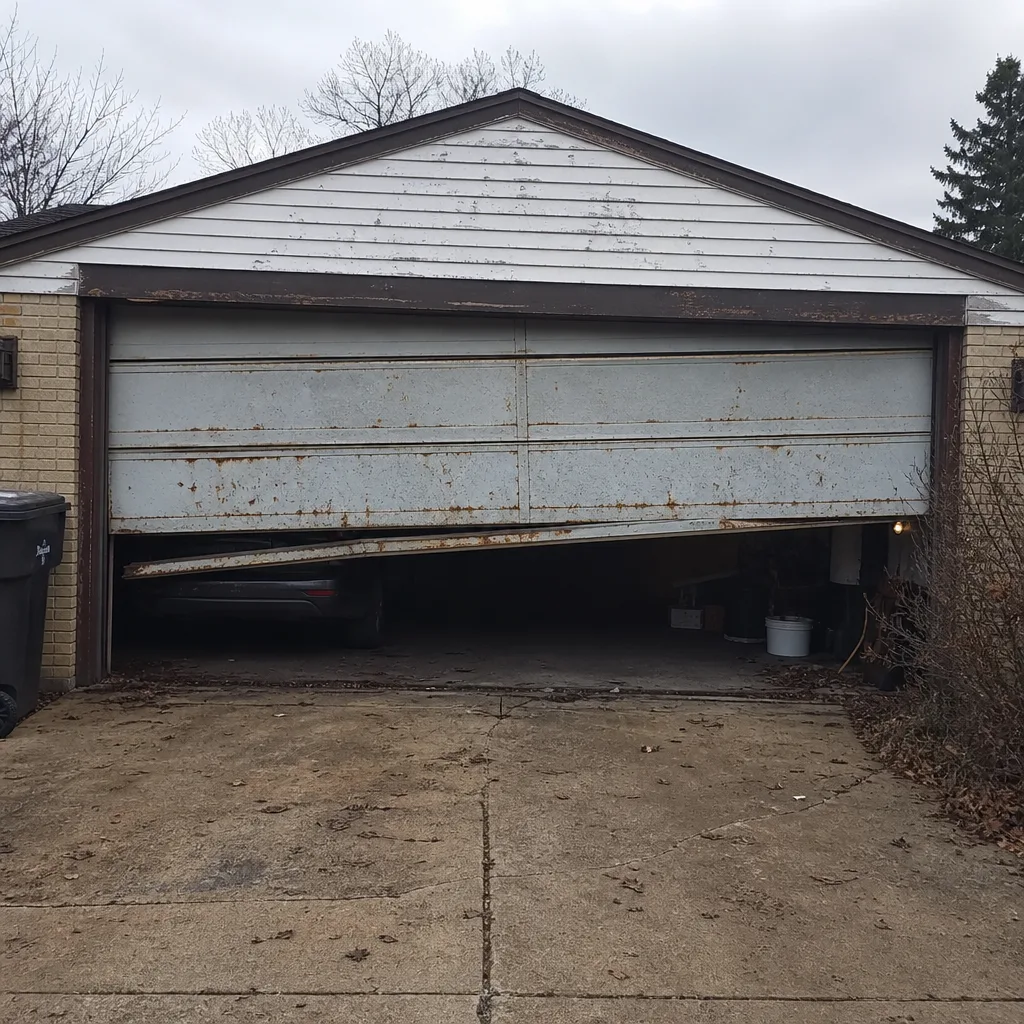 Before
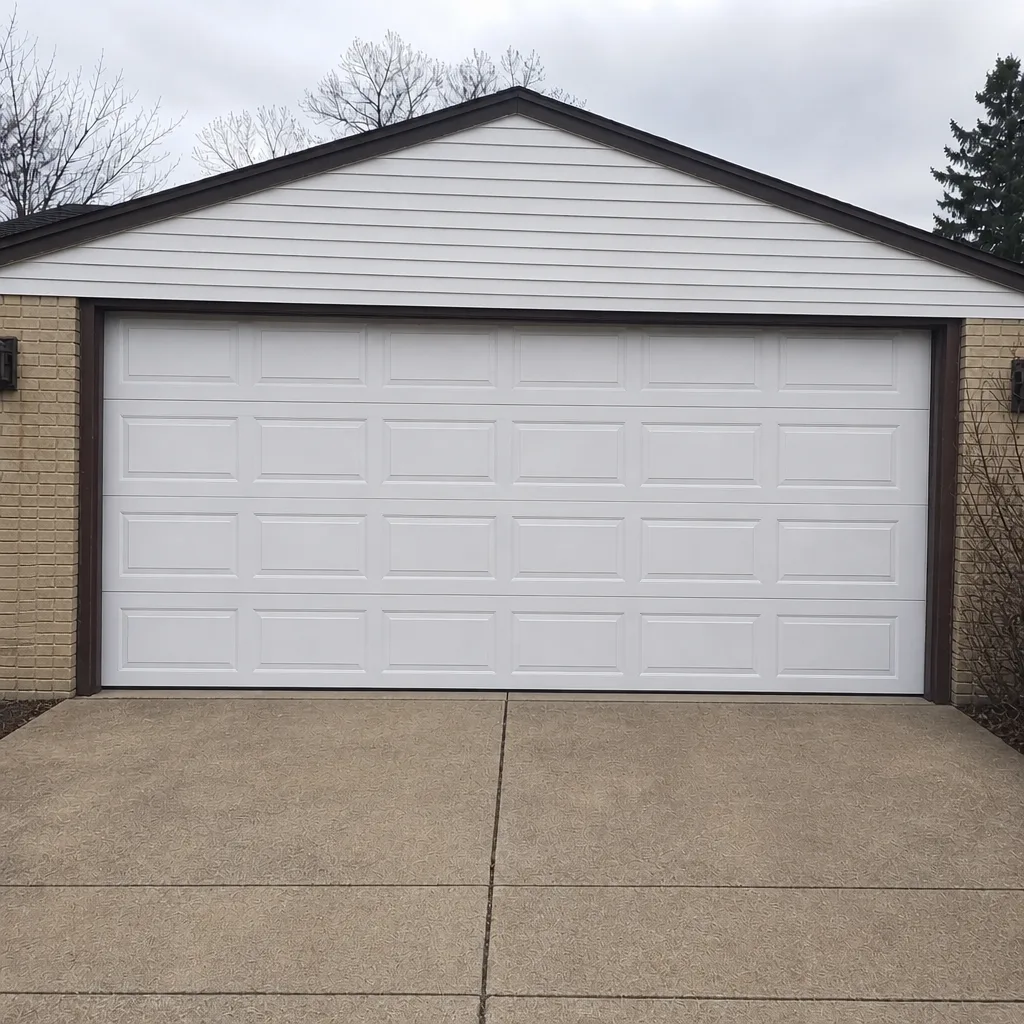 After
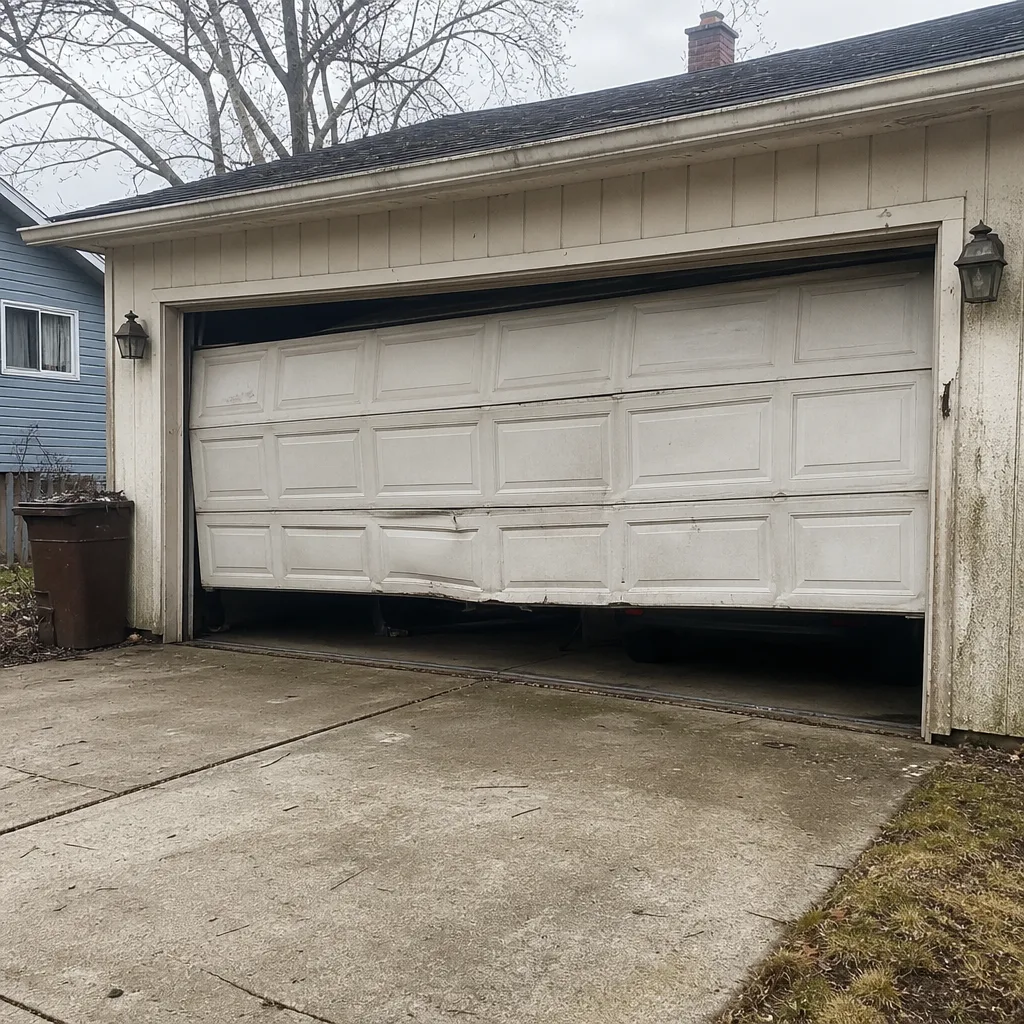 Before
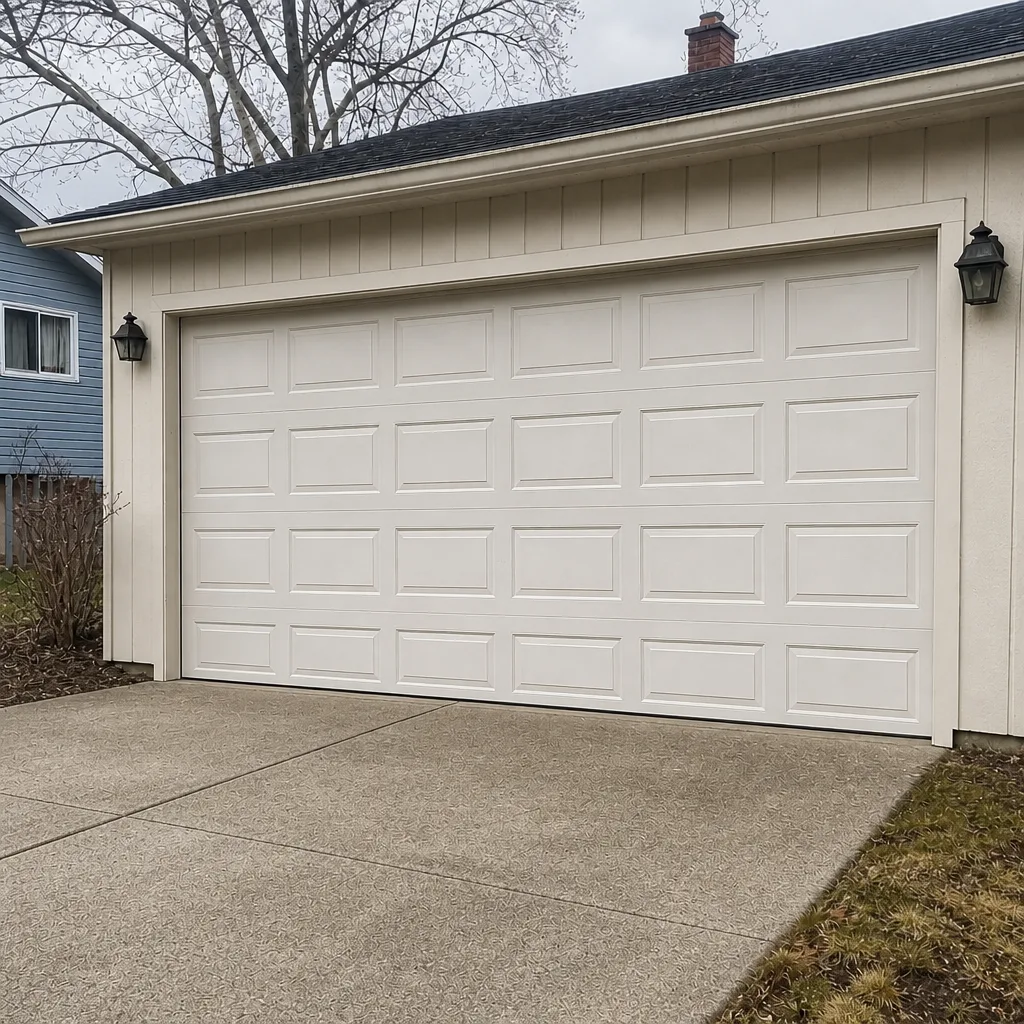 After
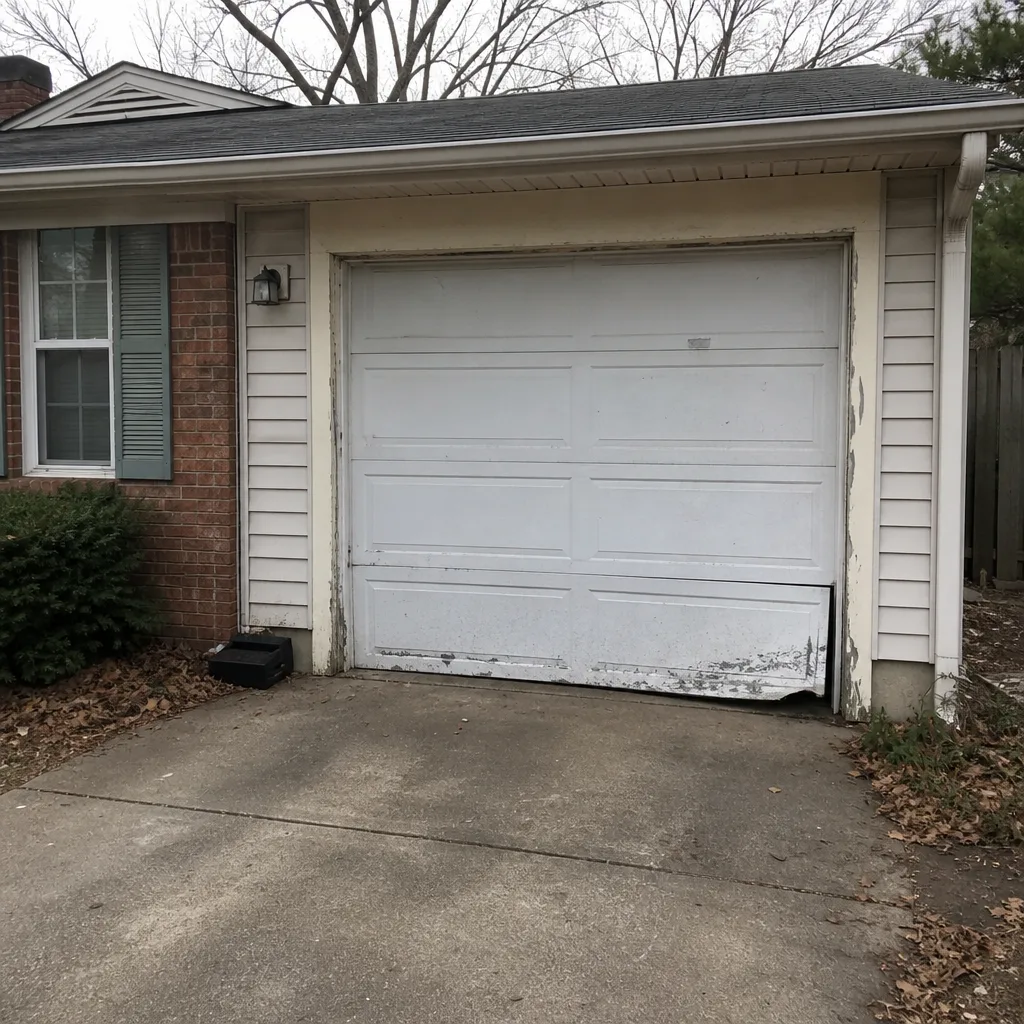 Before
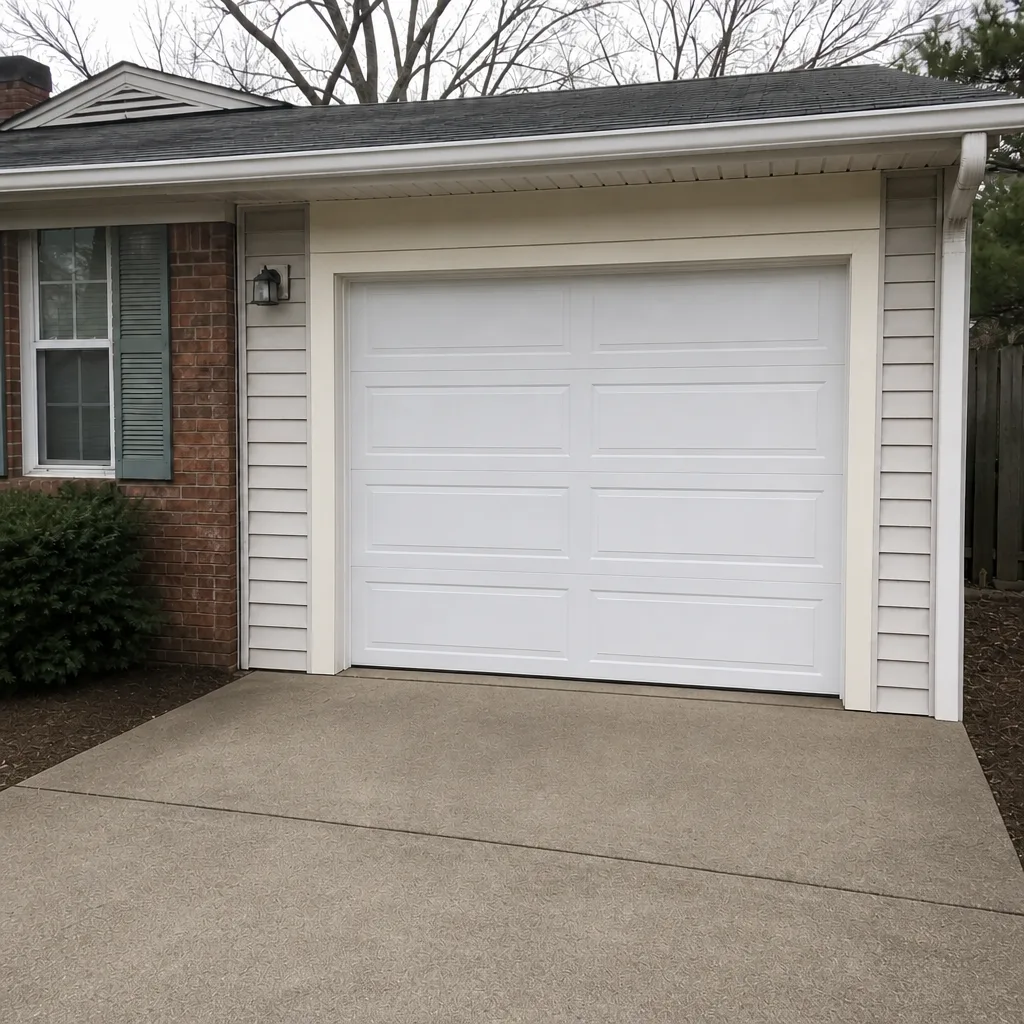 After