
Last updated November 15, 2026
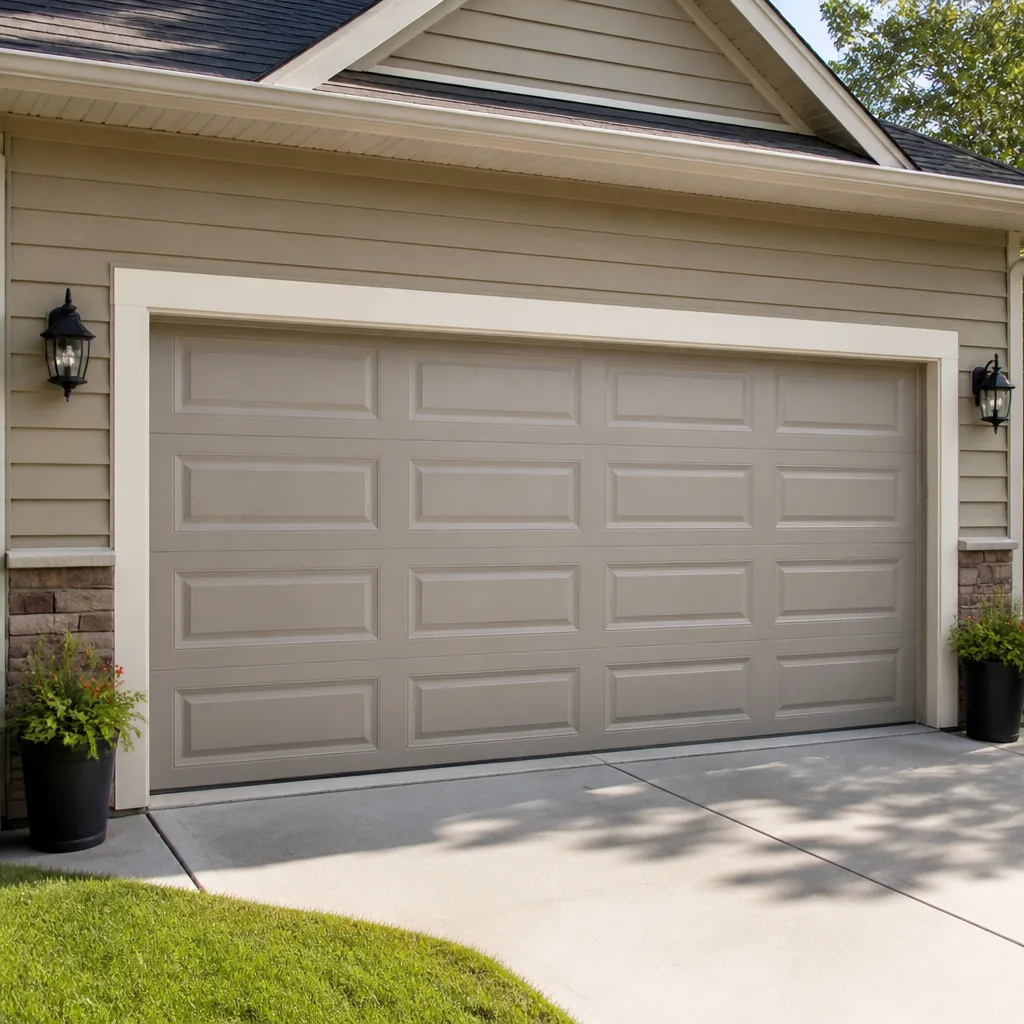 Raised-panel steel
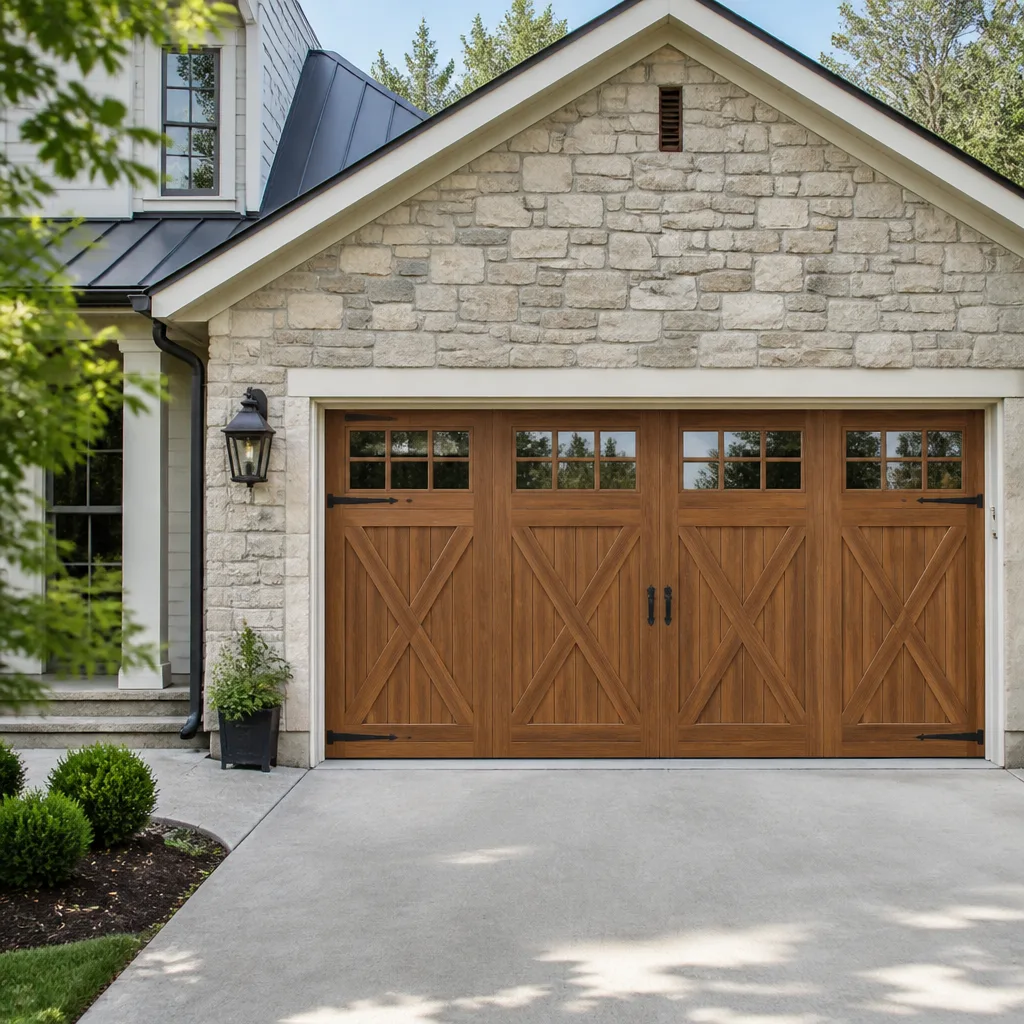 Carriage house
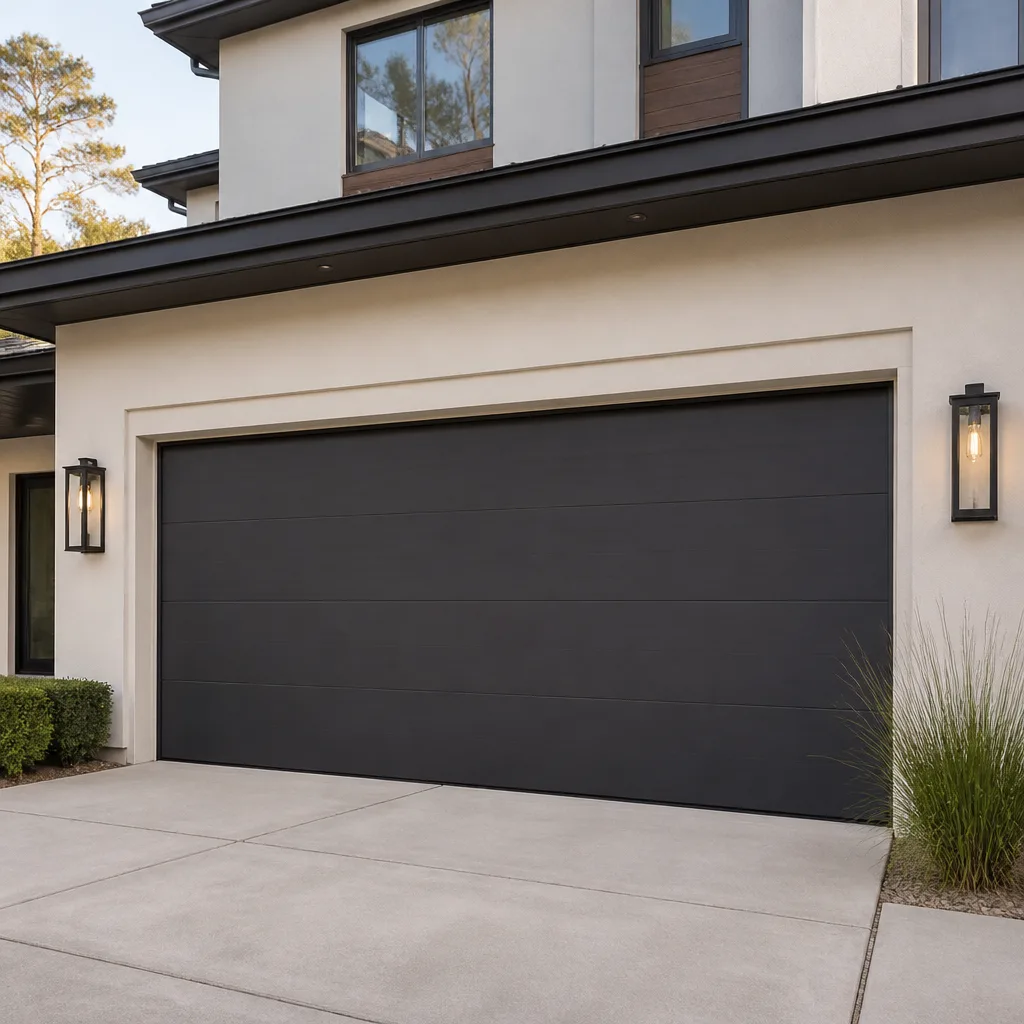 Modern flush
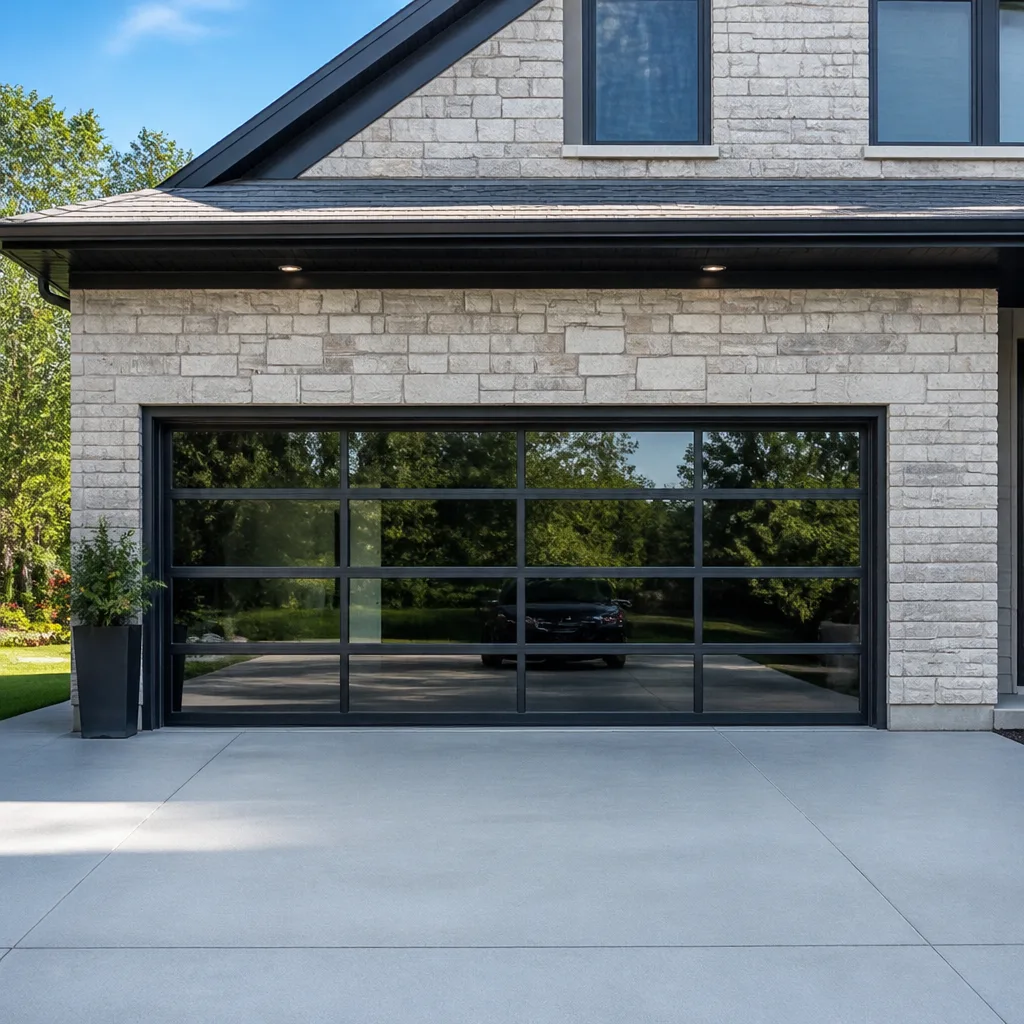 Full-view glass
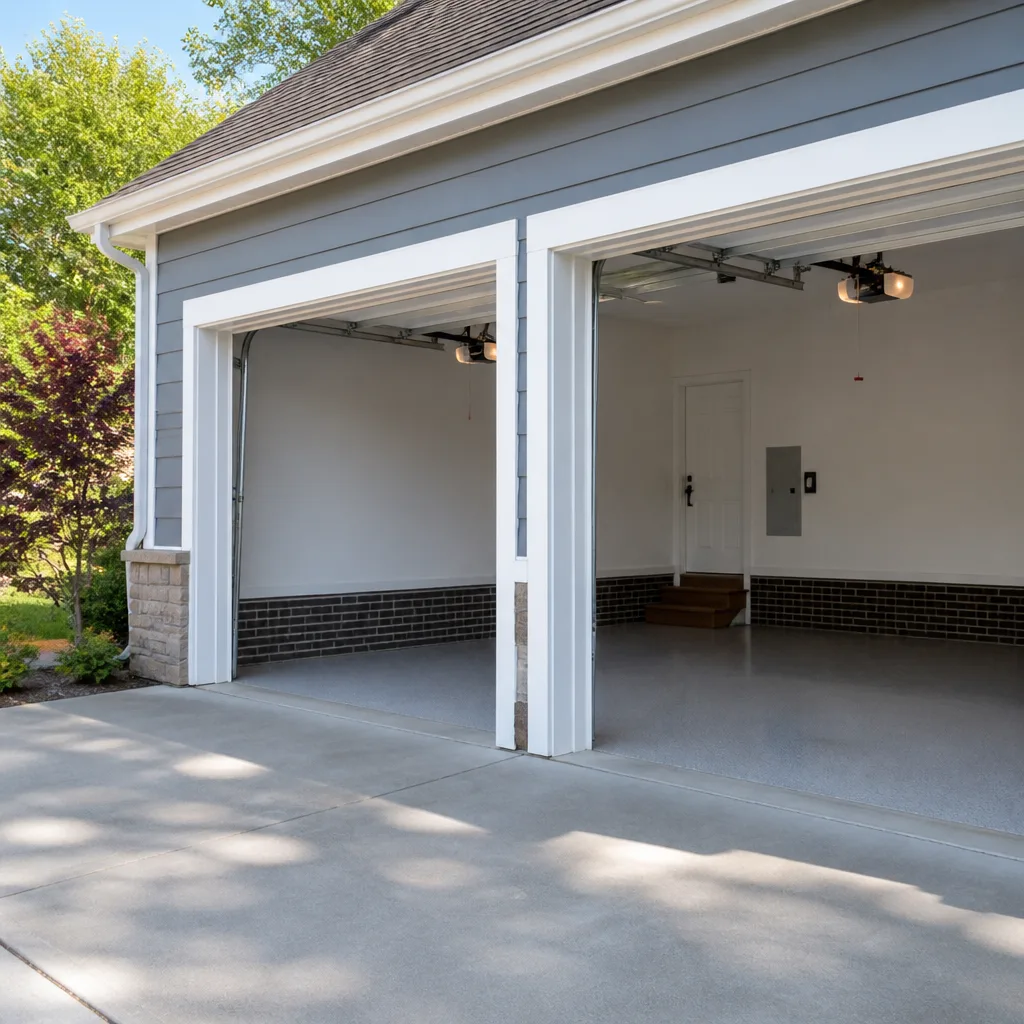 LiftMaster openers
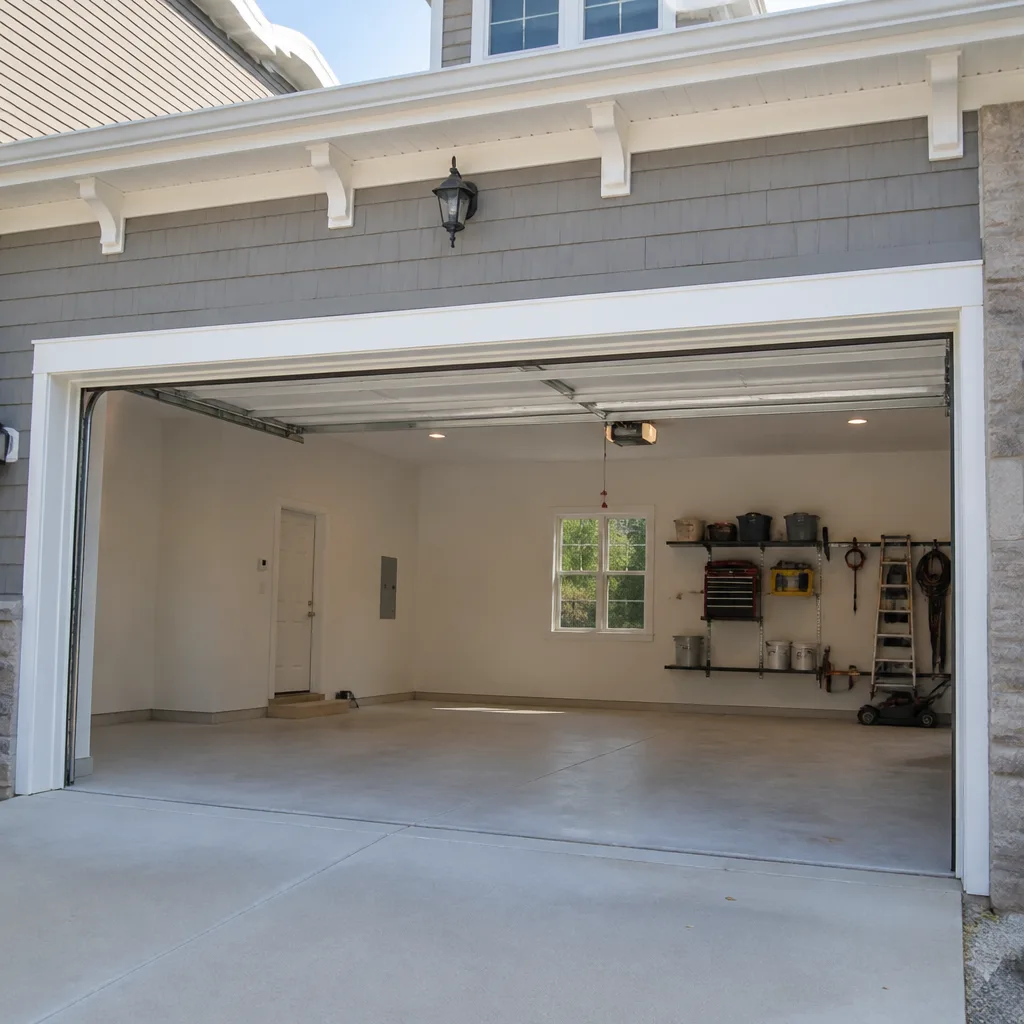 Chamberlain openers
Full 25-point door and opener safety check with every visit - springs, cables, rollers, tracks, and your LiftMaster or Chamberlain opener included
You get a price before we start. It does not change when the pro arrives.
Get your free estimateHow to Hire a Garage Door Contractor in Ann Arbor: A Step-by-Step Guide
Most homeowners start their search by asking whether a contractor is licensed. That’s the easy part. In a market the size of Ann Arbor, nearly every garage door company you’ll find is licensed, insured, and happy to show you paperwork. The credential isn’t what separates a good contractor from a bad one. What separates them is whether the person standing in your driveway diagnoses your door or sells you the parts that happen to be on their vehicle. One of them tells you a repair is the smarter call. The other tells you it’s time for a new door, whether it is or not. This guide walks you through the questions, estimate details, review checks, and warranty language that reveal the difference.
Quick Answer
To hire a garage door contractor in Ann Arbor, verify credentials, then go past them: ask the technician to explain the diagnosis, insist on a written estimate that itemizes parts and labor, confirm the company services multiple brands rather than one proprietary line, and read the warranty term before you sign. A good contractor will tell you when a repair is the better value than a replacement, and will put that recommendation in writing. If the answers feel evasive or the pitch jumps straight to a new door, keep calling.
Styles & brands we work with
- Raised-panel steel
- Carriage house
- Modern flush
- Full-view glass
- LiftMaster openers
- Chamberlain openers
Table of Contents
- Why hiring right matters more in Ann Arbor than most places
- The three questions that reveal a diagnostician
- What a written estimate in Michigan must include
- Why multi-brand experience beats brand certification
- How to tell if local reviews are real
- What a legitimate warranty actually covers
- Ann Arbor climate and what it does to your door
- When to call a professional
Why hiring right matters more in Ann Arbor than most places
Ann Arbor has an unusually wide spread of housing ages and styles, and that variety is the reason the contractor you pick matters so much. You can drive from a 1920s bungalow near the Old West Side to a 1990s colonial off Packard Street to a new build in the northeast of the city, and each one probably has a different garage door brand, a different opener generation, and a different failure pattern. A contractor who only knows one product line will treat all of them the same way, and that’s rarely what your specific door needs.
The city’s older housing stock also means you’ll run into doors that have been repaired several times before you bought the house, and openers that were installed by a previous owner with whatever was on sale. Those systems don’t fail in textbook ways. A technician who has worked across Ann Arbor long enough to have seen a bit of everything will read the clues faster and be less likely to guess.
And the climate matters. Ann Arbor’s winters bring freeze-thaw cycles that work on metal tracks and hinges, and the humidity swings of summer are hard on wood and steel panels alike. Doors here get more seasonal wear than doors in a mild climate. That’s not a pitch for early replacement, though. It’s a reason to hire someone who can tell the difference between a part that’s worn and a system that’s genuinely finished.
That distinction is the whole point of this guide. The good news is that you don’t need a technical background to see who’s diagnosing and who’s selling. You need a few good questions and a close read of the paperwork.
The three questions that reveal a diagnostician
In our experience, the difference between a technician who diagnoses and one who sells shows up in the first five minutes. You can hear it in how they talk about your door. Here are the three questions that draw out the answer, and what the responses tell you.
- “Can you walk me through what’s actually failing and why?” A diagnostician will point to a specific part and explain the chain of cause and effect. A parts-pusher will give you a general answer like “these things just wear out” and steer toward a replacement quote. The best answer is one that names the component, explains how it failed, and tells you what happens if it keeps failing.
- “Is repairing this a real option, and what would that cost?” A contractor who carries only replacement inventory has an incentive to skip this question. One who works across brands and repair types will answer it without hesitation, and won’t make you feel foolish for asking. Listen for a straight comparison, not a warning that a repair will “just fail again.”
- “What brand and model is on my door, and what does it need in parts?” Someone who services garage door repair across a range of brands can usually name what you’ve got or tell you exactly how they’ll confirm it. Someone who only knows their own product line will either guess or change the subject. If the answer is “we’ll figure it out,” that’s your cue to ask how.
Notice that none of those questions require you to know anything technical. You’re just listening for whether the person in front of you is reasoning about your door or reciting a script. A good contractor will welcome the questions. A bad one will get a little impatient with them, and that’s information too. For a deeper look at how a proper diagnosis works on this system, our garage door opener repair page covers the components that fail most.
One more practical note: the answers should line up with the written estimate you get afterward. If the technician tells you the springs are the problem, the estimate should list springs. If the two don’t match, ask why before you agree to anything.
What a written estimate in Michigan must include
A proper written estimate in Michigan is not a single line that says “garage door work: $X.” It itemizes the parts, the labor, and the scope of what’s included, so you can see exactly what you’re paying for. Insist on one before any work starts, and read it closely. The price on the estimate is the price you should pay, which is why getting it in writing protects you far more than a verbal quote ever could.
Here’s what a solid estimate typically includes, and the line items that should make you slow down:
- Parts listed by name and quantity. For a spring job, that means the springs themselves, and it should say whether you’re getting one or a matched pair. Those are different jobs and different prices.
- Labor shown separately from parts. Bundled pricing isn’t automatically bad, but a spelled-out split is easier to check and easier to compare between contractors.
- Scope language. What’s being adjusted, lubricated, or replaced, and what isn’t. A good estimate draws the boundary clearly so there are no surprises when the invoice arrives.
- Disposal. If the old door or parts are hauled away, say so. If not, you want to know that too.
- The date and the company name. A written quote that doesn’t identify who’s doing the work is barely worth the paper.
Watch for these warning signs in an estimate. Vague line items like “misc. hardware” or “shop supplies” without a number are a soft spot to pad a bill. A quote that jumps to a full replacement without explaining why a repair isn’t viable is worth a second opinion. And a price that arrives verbally and is only confirmed after the work begins isn’t an estimate at all.
The other thing to check is timing. Repair and opener work can often be handled the same day. Replacement and new-door work is measured, ordered, and scheduled, so don’t let anyone promise you a new door installed the day you call. A free measure and a written price is the right first step on that kind of job.
Why multi-brand experience beats brand certification
Brand certification sounds impressive, and it does mean something: the technician has been trained on that manufacturer’s products. But certification only covers one brand, and your door probably wasn’t chosen to match whichever certification the contractor happens to hold. In Ann Arbor’s mixed housing stock, what you actually need is someone fluent across the brands that show up here.
A multi-brand contractor can work on whatever’s on your door. That matters because the parts, the opener logic, and the failure points differ from one manufacturer to the next. A technician who only knows one line will either decline the job or quietly substitute parts that don’t match. One who has worked across Clopay, Amarr, Wayne Dalton, and Craftsman (among others) will recognize the door in front of them and order the right components the first time.
It also affects the recommendation you get. A brand-agnostic contractor has no incentive to steer you toward a particular product line, because the recommendation is driven by what your door needs and what your budget allows. That’s a different conversation than the one you’ll have with a contractor whose business is built around one proprietary product. When you ask “what would you put on this door,” the honest answer should reference your door’s age, its spring and track configuration, and what’s available, not a catalog page.
At Sage Garage Door Repair, we service whatever brand is on your door, from a stuck spring to a full new door, and our recommendations follow the diagnosis rather than a vendor relationship. That’s not a claim to be the best; it’s how we think the decision should be made. When you’re comparing contractors in Ann Arbor, ask each of them the same question and see how the answers differ. The one whose recommendation tracks your door’s actual condition is the one worth hiring.
How to tell if local reviews are real
Reviews are useful, and they’re also the easiest part of a contractor’s reputation to game in a small market. In a city the size of Ann Arbor, a handful of glowing reviews can be arranged, and a competitor’s handful of bad ones can be arranged too. The trick isn’t to ignore reviews but to read them for the details that are hard to fake.
Here’s what to look for when you’re checking a contractor’s reviews:
- Specific details. Real reviews mention the part that was replaced, the brand of door or opener, or the season. Vague praise (“great service, highly recommend”) is easy to write in bulk. A reviewer who names the exact complaint and how it was resolved is much harder to fake.
- Consistency across platforms. A legitimate contractor’s reviews tend to appear across more than one place over time. If the rating is perfect on one site and thin everywhere else, look closer.
- How negative reviews are answered. A contractor who responds calmly and specifically to a complaint tells you more than one with only five-star reviews. A response that blames the customer or vanishes says something else.
- Review dates and cadence. A burst of reviews in one week followed by months of silence is a pattern, not a reputation. Steady reviews over a long stretch are a better signal.
- Whether the reviewer names the technician or the job. A reviewer who describes the door, the brand, and the fix has almost certainly had the work done.
One more local check: ask a neighbor whose door was recently serviced who they used and whether the diagnosis matched the work. In Ann Arbor, word of mouth still carries real weight, and it’s harder to fake than a star rating. A reputation that’s earned on the street and holds up on review sites is a much better bet than either one alone.
What a legitimate warranty actually covers
A legitimate warranty is a written promise about specific parts and specific labor for a specific period, and it survives the moment the technician drives away. Warranty language designed to expire before the problem recurs is one of the quiet ways a bad contractor protects a bad job. It’s worth reading the terms before you sign, not after.
A real warranty on parts and labor usually includes:
- A stated term for parts and a stated term for labor, written separately. If the two are blurred, you may find that a failed part is covered but the labor to replace it isn’t.
- A clear list of what’s excluded. Normal wear, damage from a vehicle, and weather events are common exclusions. That’s fair, as long as the list is short and specific. A warranty that excludes almost everything isn’t a warranty.
- A process for a claim. How do you report a failure, who decides it’s covered, and how quickly will it be looked at. If the answer is unclear, ask.
- Transferability. Some warranties transfer to a new owner if you sell the house. It’s not essential, but it’s a sign the contractor expects the work to last.
The language to be wary of is the warranty that’s so conditional it can’t be used. If the terms require you to call within a narrow window, or exclude the exact part that just failed, or define the fix as “adjustment only,” the warranty isn’t protecting you. Compare the warranty term between contractors the way you’d compare the estimate. A contractor confident in the diagnosis and the parts has no reason to write a warranty that’s already expired.
Ann Arbor climate and what it does to your door
Ann Arbor’s seasons are hard on a garage door, and understanding why helps you evaluate the advice you’re given. Winters here bring repeated freeze-thaw cycles, which means moisture works into tracks and hinges and then expands when it freezes. That’s a big reason metal components loosen and bind over the course of a season. It’s also why a door that worked fine in October can start groaning in January.
Summer humidity is the other half of the story. Wood panels and steel alike feel the humidity swings, and the wood frames around an older garage door can swell and warp. A technician who works in Ann Arbor needs to recognize these seasonal patterns and separate normal seasonal wear from a genuine mechanical failure. That distinction matters when the recommendation is repair versus replacement.
When you ask a contractor about your door, listen for whether the diagnosis accounts for the season. “This is a winter problem, and here’s what’s happening to the hardware” is a much better answer than a generic “these things wear out.” The former tells you the technician understands how this climate treats a door. The latter is a replacement pitch in disguise.
One safety note here that matters year-round: the torsion spring and the cables under tension at the top of your door are the most dangerous components on the system, and a failed spring can fail violently. If your spring snaps or your door is hanging at an angle, don’t try to open or close it by hand, and don’t attempt to replace the spring yourself. That’s a job for a trained technician who has the right tools and knows what’s under load. Our Sage Garage Door Repair team treats spring and cable work as a professional-only repair for exactly that reason.
Common Mistakes to Avoid
Homeowners make a handful of predictable mistakes when hiring a garage door contractor in Ann Arbor. Avoiding these will put you well ahead of the curve.
- Leading with price instead of diagnosis. The cheapest quote often comes from the contractor who diagnosed the least. Get the diagnosis first, then compare the prices behind it. A quote you can’t explain isn’t a quote you can trust.
- Accepting a verbal estimate. A verbal number leaves you with no record and no protection. Insist on a written estimate that itemizes parts and labor before any work starts, and keep a copy.
- Hiring a generalist for a specialist job. A handyman who handles odd jobs across the city may be reliable, but a garage door system has failure modes that only dedicated experience teaches you to read. Look for a company that focuses on this one system.
- Assuming a new door is the answer. Replacement is sometimes the right call, but a repair is often the better value, and a contractor who skips the repair option is selling, not diagnosing. Ask directly whether a repair is viable.
- Ignoring the warranty. A warranty that expires before the part does is no protection. Read the term, the exclusions, and the claim process before you sign.
- Trusting a brand certification over broad experience. A technician certified on one brand may still be a poor fit for the door in your driveway. Ask what brands the company works on and whether that covers yours.
- Calling one contractor and stopping there. Get a second opinion on any recommendation for a full replacement, and compare the written estimates. In a market the size of Ann Arbor, you have options, and using them is the best check on a bad diagnosis.
See the difference
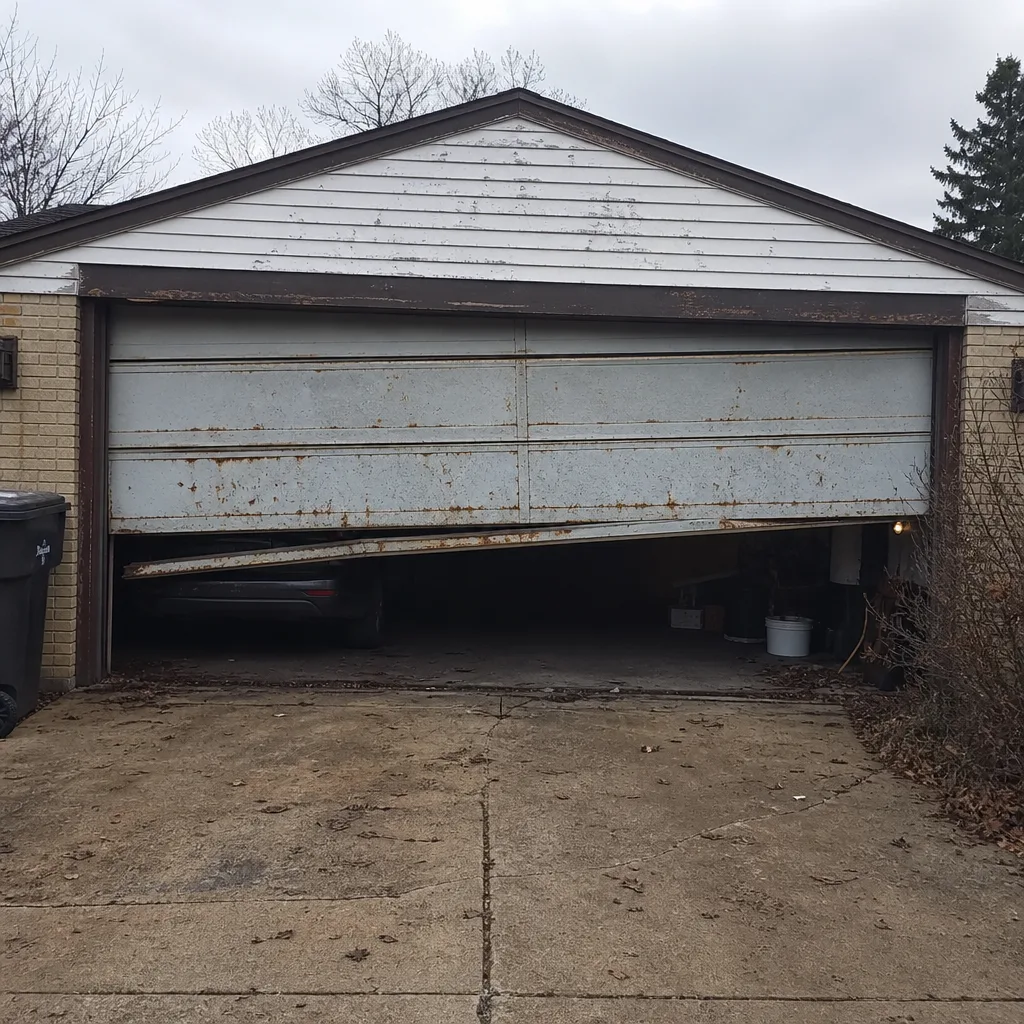 Before
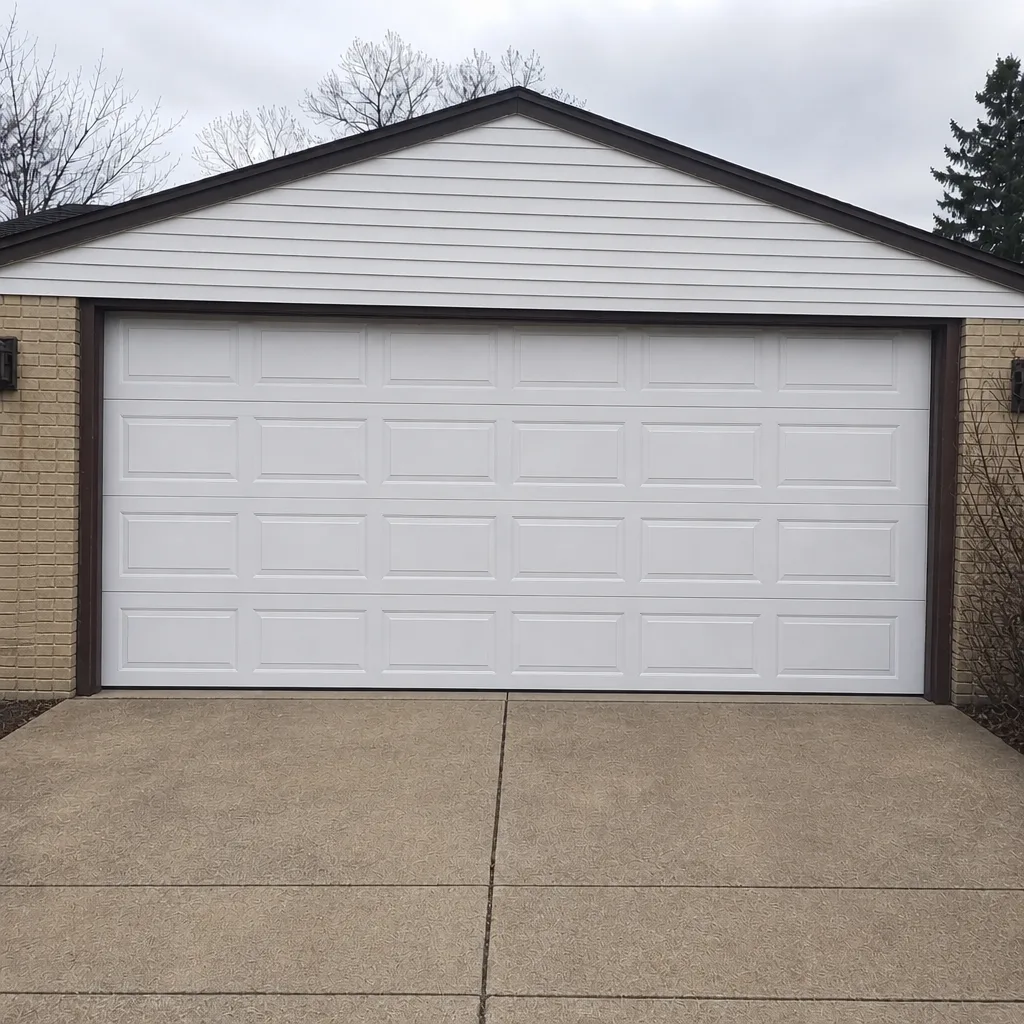 After
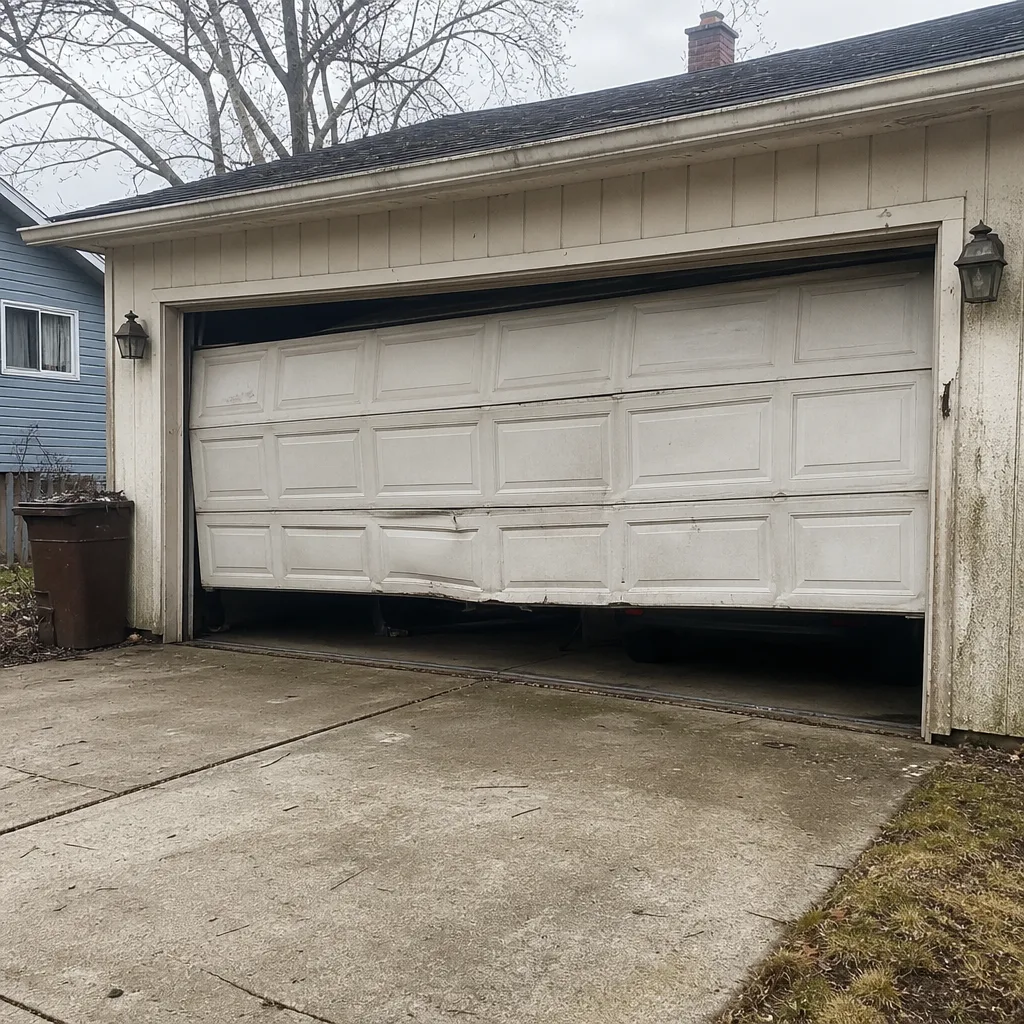 Before
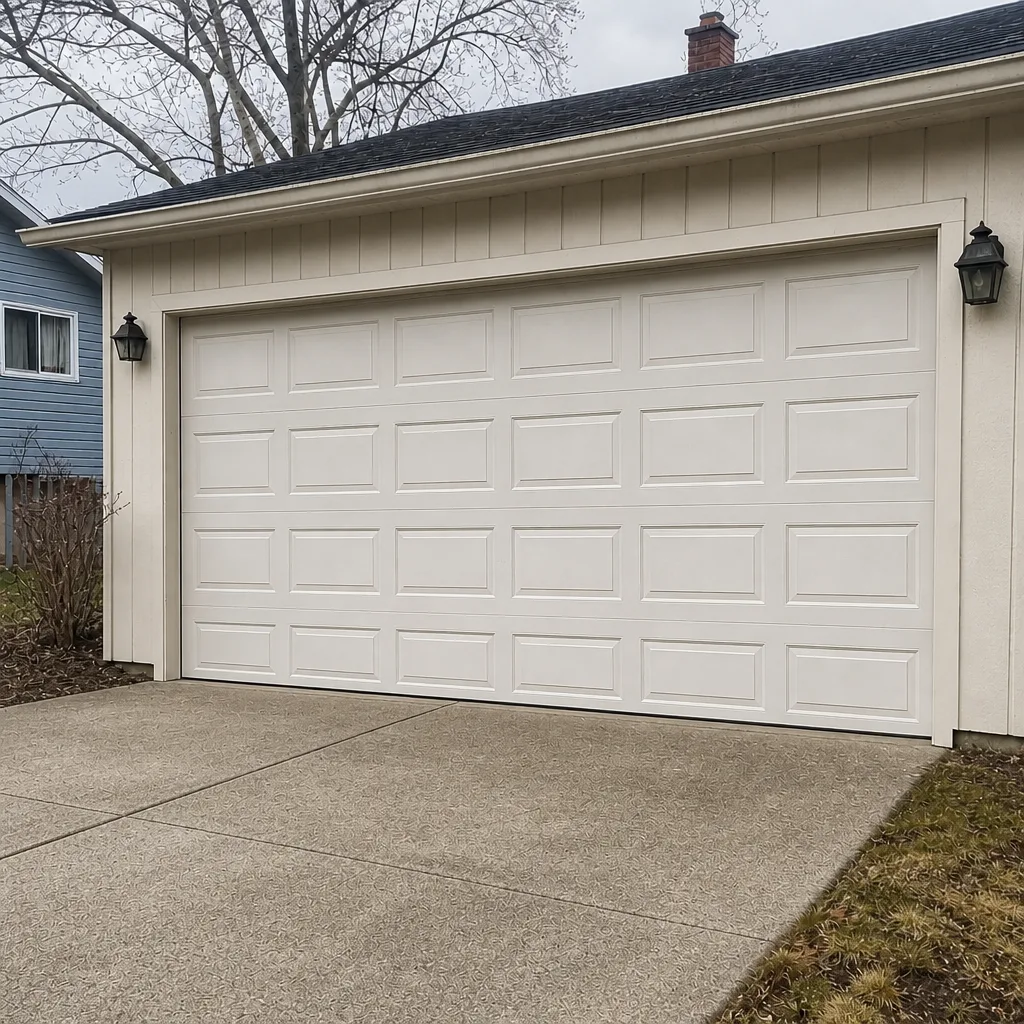 After
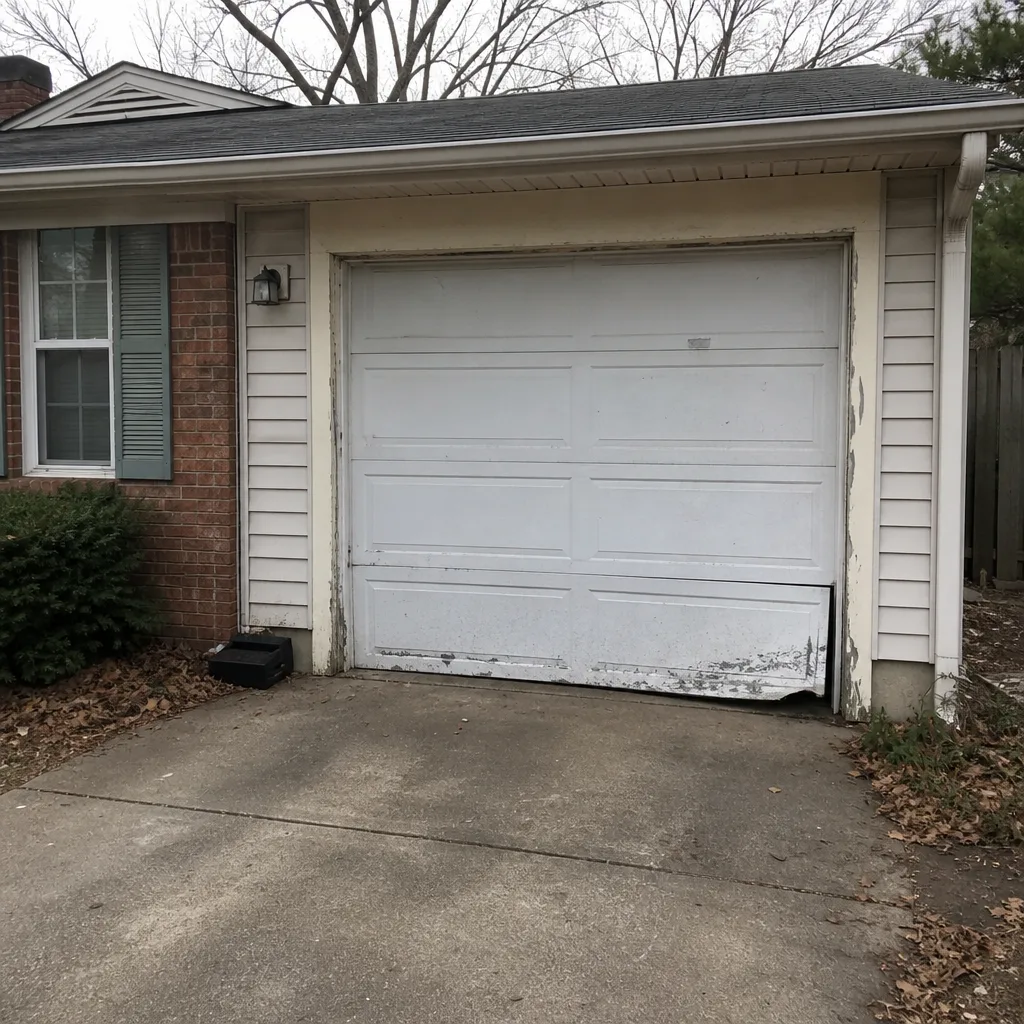 Before
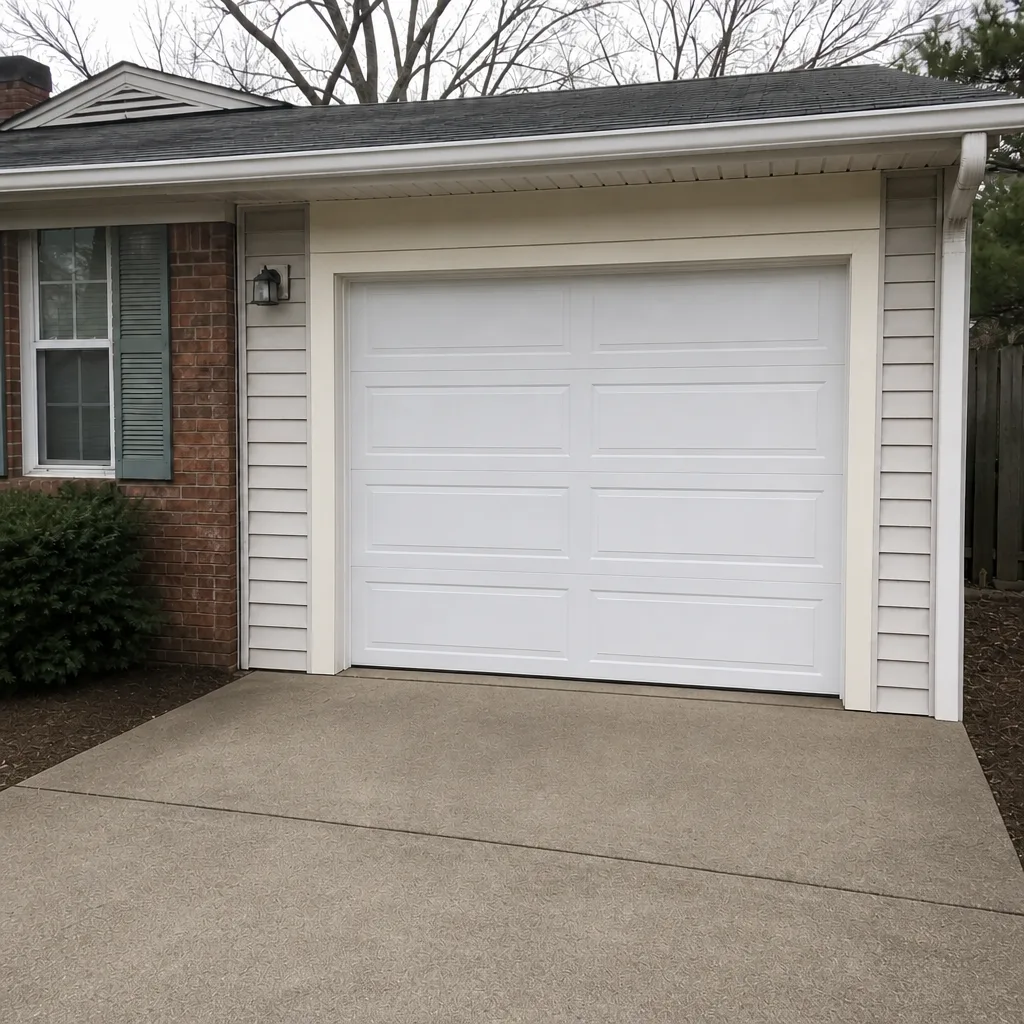 After
When to Call a Professional
Some garage door problems are safe to watch and some aren’t. Call a professional when the door won’t open or close at all, when it moves unevenly or hangs at an angle, when you hear a loud snap from the top of the door, or when the opener runs but the door doesn’t move. Those are signs of a spring, cable, or opener failure, and the springs and cables are under tension in a way that makes DIY work genuinely dangerous. Call a technician rather than improvising. Opener issues, remote failures, and safety-sensor faults are also worth a professional look, since the diagnosis often depends on test equipment most homeowners don’t have.
Sage Garage Door Repair offers free estimates in Ann Arbor. Call (888) 359-3230. We answer 24/7, with fast dispatch from 7am to 7pm, Sunday through Friday. Our technicians have up to 12 years of experience, and we work on whatever brand is on your door.
Frequently Asked Questions
Garage door repair in Ann Arbor is priced per job by a written estimate, and the final number depends on the part that failed, the brand of your door or opener, and the labor involved. We give you a free estimate that itemizes parts and labor, and the price is quoted and agreed before any work starts, so there’s no surprise invoice afterward. Call (888) 359-3230 for an exact quote. Estimates are free.
Same-day service is often possible for repair and opener work, and we dispatch technicians from 7am to 7pm, Sunday through Friday. The phone line is answered 24/7, so you can call whenever the door fails and get on the schedule. Call (888) 359-3230 to check availability for your repair.
The written estimate is the price. We look at the door, diagnose the failure, and put the parts and labor in writing before any work begins, so the number you agree to is the number you pay. If we find something different once we’re into the job, we’ll tell you and get your approval before doing anything beyond the original scope. Call (888) 359-3230 for an exact quote. Estimates are free.
Yes. We work with state-licensed, insured and bonded independent technicians who focus on garage door repair, opener repair, and installation. Ask to see credentials if you’d like, and any legitimate contractor will show them without hesitation. Call (888) 359-3230 with any questions about qualifications.
We service equipment from LiftMaster, Chamberlain, Genie, Clopay, Amarr, Wayne Dalton, Craftsman, and Raynor, among others, so we work on whatever brand is on your door. That matters in Ann Arbor because the city’s housing stock spans a wide range of brands and generations. If you’re unsure what you have, we’ll identify it during the visit. Call (888) 359-3230 to schedule an estimate.
It depends on the door, and the answer should come from a diagnosis, not a default. A door with a failed spring, a faulty opener, or bent track is usually a repair candidate, while a door with widespread panel damage, rot in the frame, or a failing system across the board may be a replacement candidate. A good contractor will walk you through both options in writing. Call (888) 359-3230 for an honest diagnosis and a free estimate.
The Bottom Line
Hiring a garage door contractor in Ann Arbor comes down to one question: are you talking to someone who diagnoses your door or someone who sells what’s on their vehicle? The credentials matter, but the diagnosis, the written estimate, the multi-brand experience, the authenticity of the reviews, and the warranty are what actually separate a good contractor from a bad one. Ask the three questions, insist on a written estimate, compare warranty terms, and get a second opinion on any full-replacement recommendation. The right contractor will welcome all of it. If you’d like a straight answer rather than a sales pitch, that’s the work we do. Call Sage Garage Door Repair at (888) 359-3230 for a free estimate.
Written by the team at Sage Garage Door Repair.