
Last updated November 15, 2026
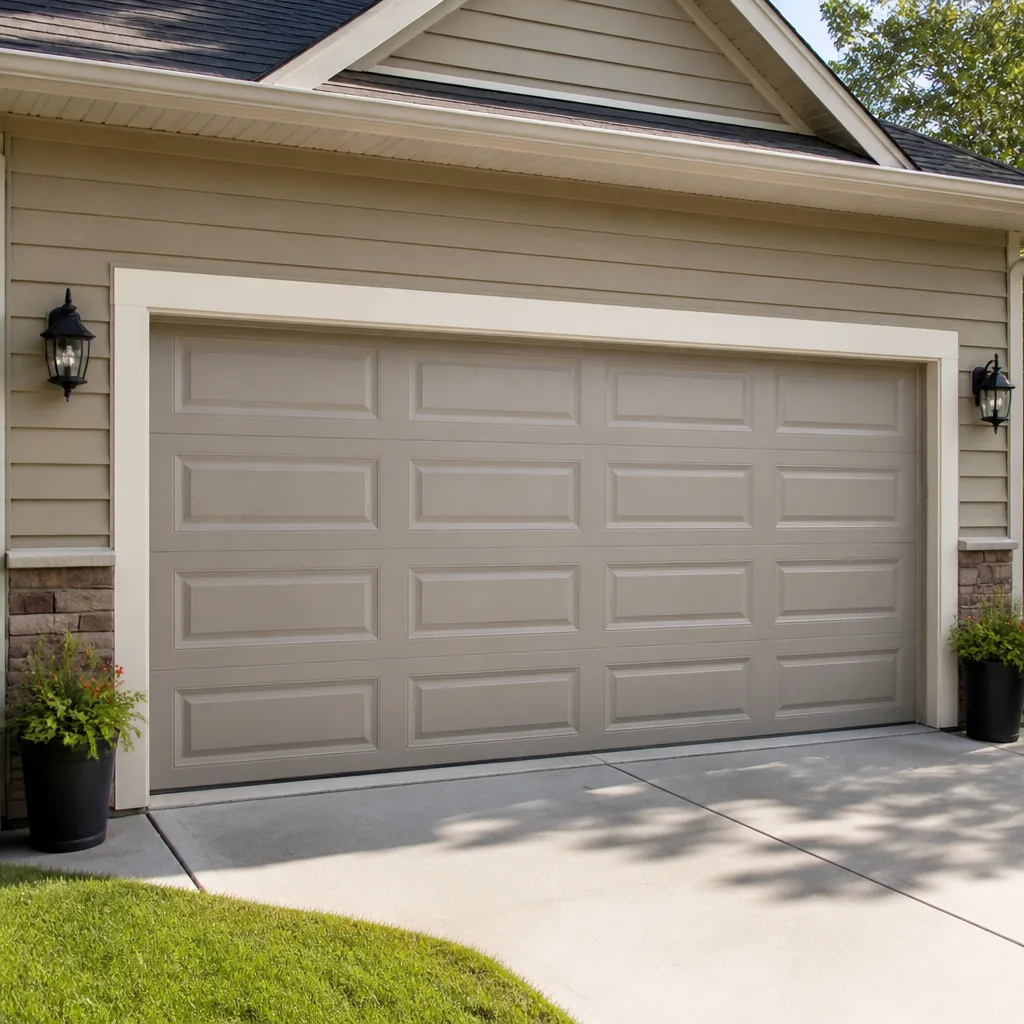 Raised-panel steel
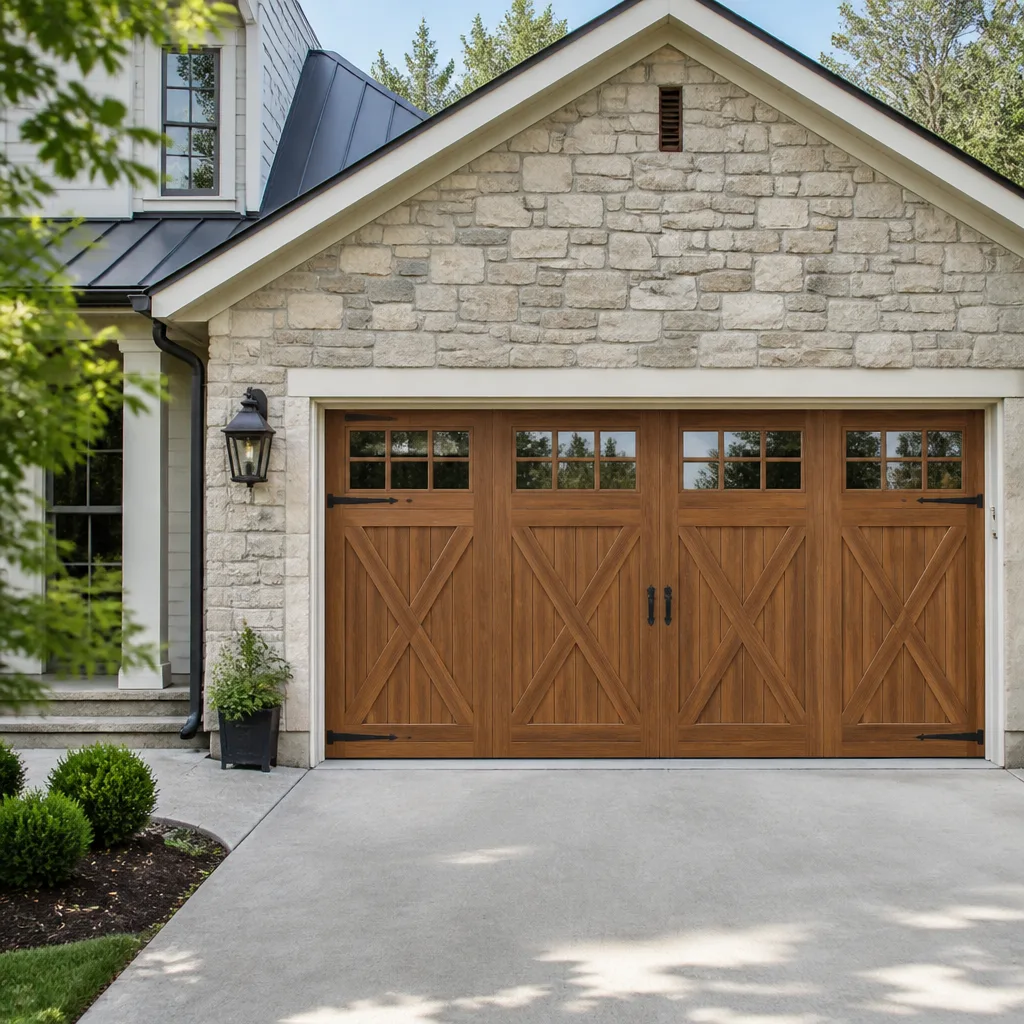 Carriage house
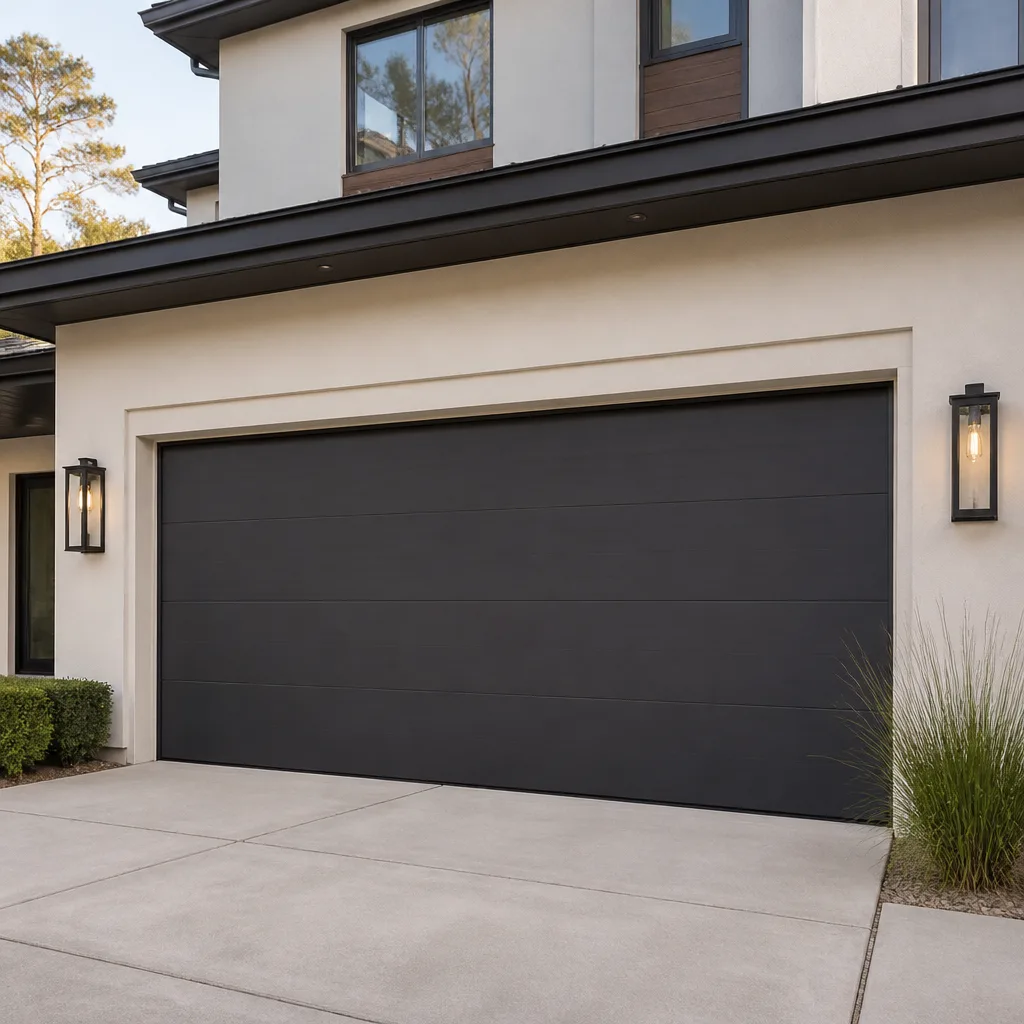 Modern flush
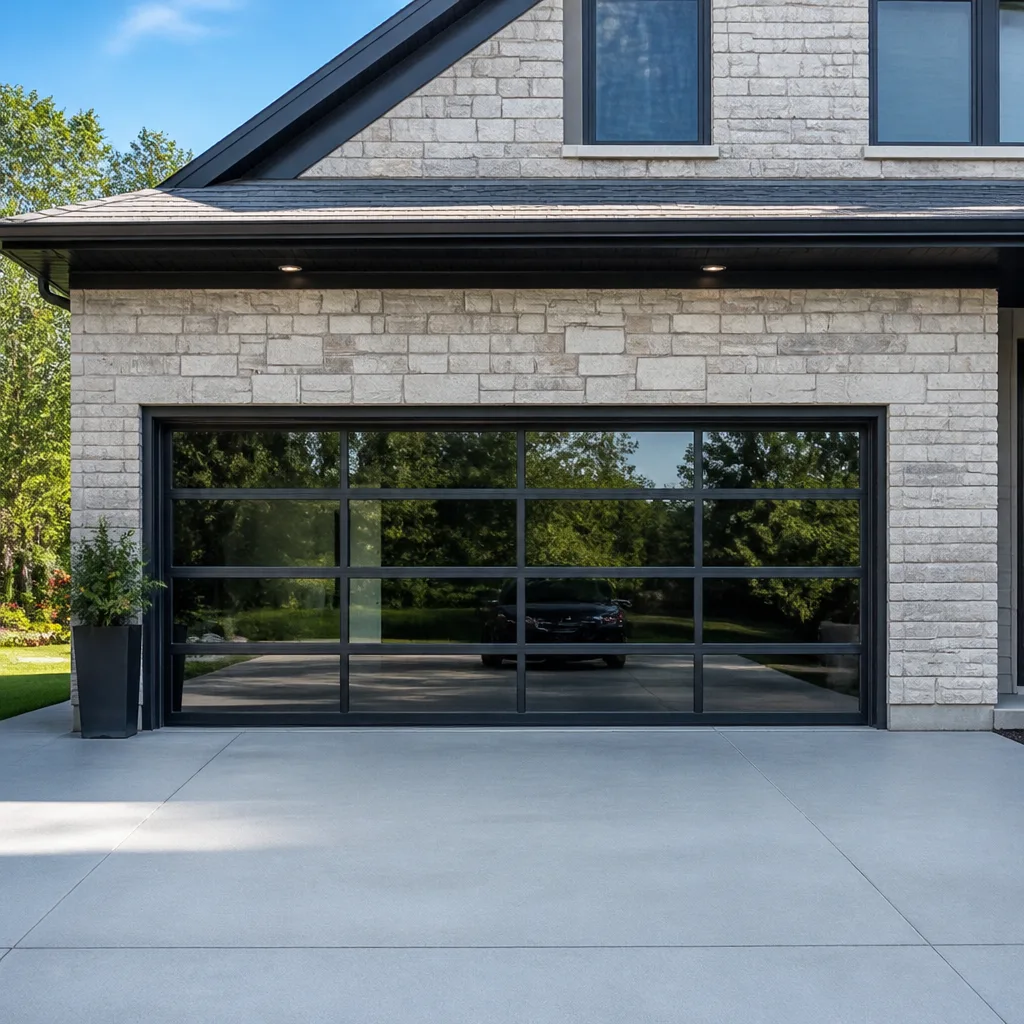 Full-view glass
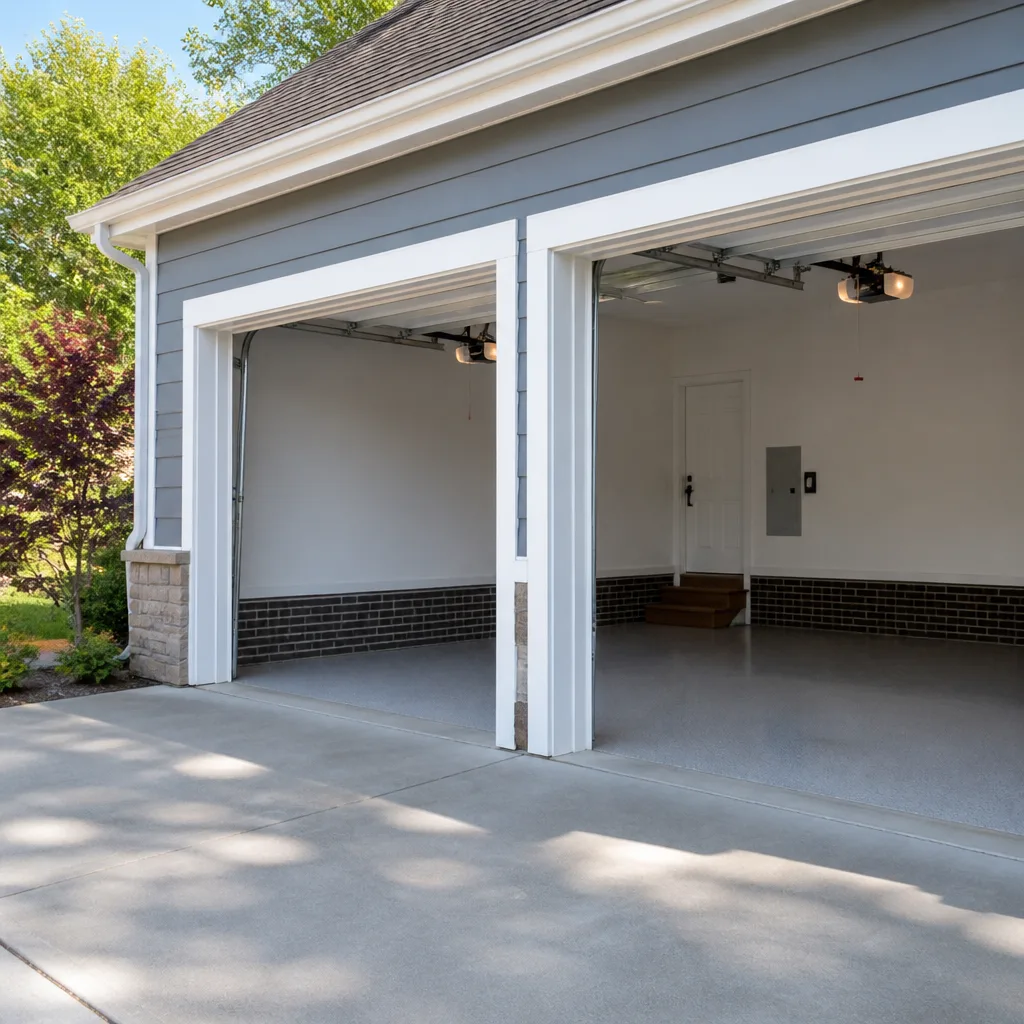 LiftMaster openers
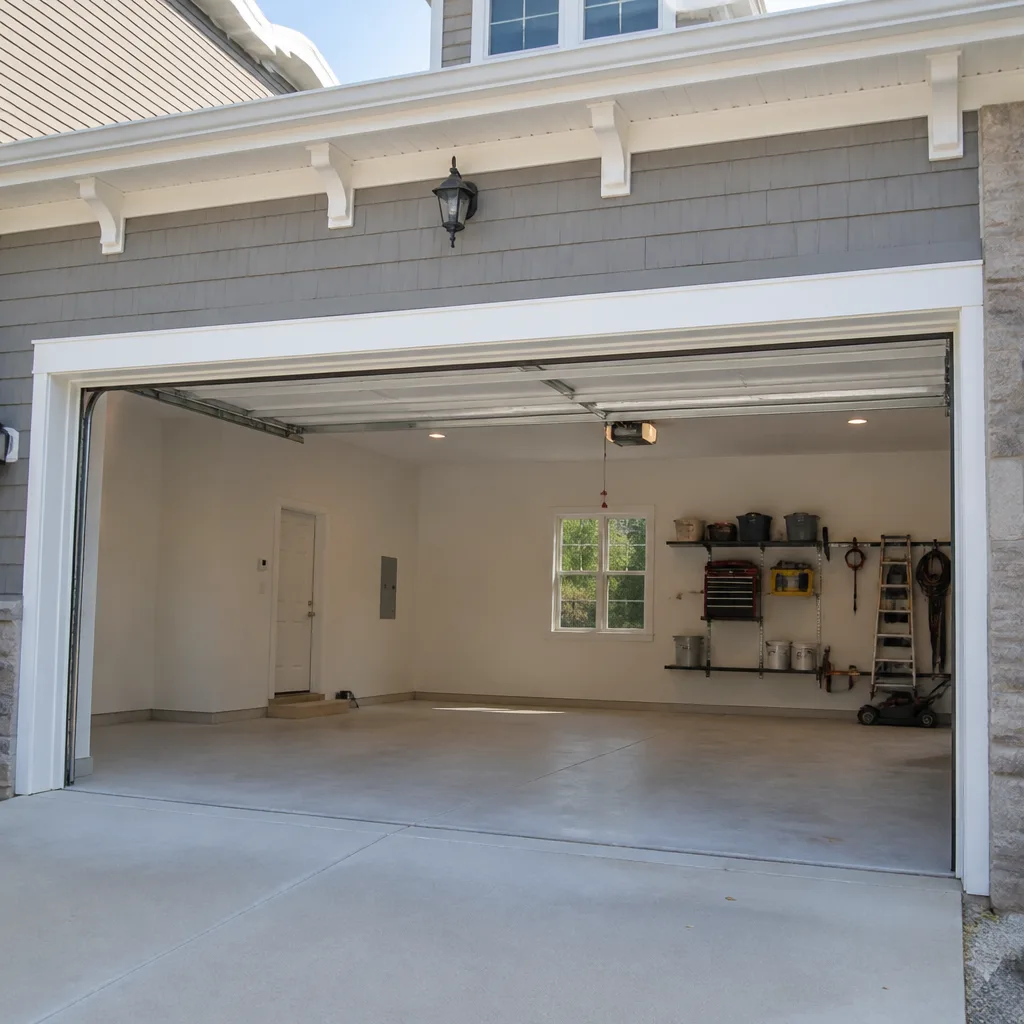 Chamberlain openers
Full 25-point door and opener safety check with every visit - springs, cables, rollers, tracks, and your LiftMaster or Chamberlain opener included
You get a price before we start. It does not change when the pro arrives.
Get your free estimateThe Complete Guide to Garage Doors in Ann Arbor
Here’s the part nobody tells you at the showroom: the door on your Ann Arbor house was almost certainly never a “standard” size. The city holds more pre-1950 housing than Michigan as a whole, and most of those older garages were built with openings that today’s factory doors don’t match out of the box. Order from a catalog before you measure and you’ll learn this the hard way, after the truck has already left.
The same is true of the choices around the door. Ann Arbor’s housing stock spans Old West Side bungalows, mid-century ranch homes, and brand-new builds out toward Pittsfield Township, and each era brings different dimensions, insulation needs, and opener compatibility issues. What follows maps those decisions to the actual city you live in. You’ll get the fit rules, the insulation logic, the brand-and-parts reality in Washtenaw County, and the measurements that matter before you spend a dollar.
Quick Answer
Matching a garage door in Ann Arbor comes down to three things: the exact size and headroom of your opening, an insulation level that holds up through a Zone 5 winter, and an opener that works with the door you choose. Get those right and the style is easy; get them wrong and even an expensive door will fit poorly, run rough, or leave your garage freezing.
Styles & brands we work with
- Raised-panel steel
- Carriage house
- Modern flush
- Full-view glass
- LiftMaster openers
- Chamberlain openers
Table of Contents
- How Ann Arbor’s Housing Eras Shape Your Door
- Read the Opening, Not the Brochure
- Why Insulation Is a Necessity in Ann Arbor
- Choosing a Material That Survives Michigan
- Brands, Parts, and Lead Times in Washtenaw County
- Historic District Rules vs. Newer Subdivisions
- Matching an Opener to the Door
- A Step-by-Step Decision Path
How Ann Arbor’s Housing Eras Shape Your Door
The single biggest determinant of what door will work in your garage isn’t your taste. It’s the decade your house went up.
Ann Arbor sits on a lot of older homes, and that changes the math. A door that fits a newer subdivision will often not drop into a 1920s bungalow without either a custom build or structural adjustment to the opening and the framing around it.
Pre-war homes (roughly pre-1950)
These garages were built for the cars and access of their era, and the openings often come in odd dimensions that don’t line up with today’s standard widths and heights. You’ll also find lower headroom, less space for the door to travel, and framing that has shifted over the decades. Sometimes the garage was added later or converted from something else. Plan on an on-site measurement, not a phone order.
Mid-century ranch homes
The ranch era brought wider single doors pitched toward the driveway, and you’ll see these all over the older neighborhoods and into the 1960s and ’70s builds. Standard sizes become more common here, but insulation is usually zero to minimal and openers are often original or have been swapped a time or two, which creates compatibility questions.
Post-2000 and new construction
Newer builds, including much of what’s going up around Pittsfield Township and Ann Arbor Township, tend to use repeatable standard openings with modern framing and pre-wired openers. This is where a catalog door genuinely fits, and where the decision is mostly about style, insulation, and the opener.
If you’re unsure which bucket your house falls into, we can help at the Ann Arbor level and then get specific once we’re standing in your garage.
Read the Opening, Not the Brochure
Before anything else, you need four numbers and a headroom check. A spec sheet tells you what a door can be built to; it does not tell you what your garage will accept. Here’s the sequence we walk through, and the one you can do yourself with a tape measure and a little patience.
- Width and height at the opening. Measure the clear opening at the jambs, not the drywall. Take each dimension in three spots (left, center, right) and use the smallest figure, because older openings are rarely perfectly square.
- Headroom. Measure from the floor to the lowest point of the ceiling or obstruction above the door, then check the clearance between the top of the opening and that ceiling. This tells you whether a standard track will work or whether low-headroom hardware is required.
- Backroom and sideroom. Backroom is how far the door travels back into the garage; sideroom is the space beside the opening for the tracking and springs. Tight on either one and the door style or hardware has to change.
- Read the spec sheet against those numbers. Match the actual opening to the door’s required dimensions rather than assuming “standard,” and check the listed headroom, backroom, and sideroom requirements against what you measured.
- Check the opener and clearance above. If you’re keeping your opener, confirm the door’s weight and travel will work with it. If you’re not, note whether the ceiling has power and where the rail would land.
Ann Arbor’s older homes are where this step earns its keep. A door ordered to a “standard” size will either not fit or will require framing changes you didn’t budget for, and that’s discovered at install, not at purchase.
Why Insulation Is a Necessity in Ann Arbor
A garage door is the largest moving object on your house and one of the biggest single openings in its envelope. In Ann Arbor’s cold winters, an uninsulated door turns the garage into a freezer and then passes that cold straight into an attached wall. Insulation here isn’t an upsell; it’s a functional decision.
If your garage shares a wall with the house, or sits under a bedroom, the door’s insulation matters for comfort and for how hard your home heating has to work. An insulated door also runs quieter and feels sturdier, because the insulated panel adds mass.
What to look for
- Insulated vs. non-insulated. A single-layer steel door is essentially a metal skin with no core. For an attached garage in this climate, choose a door with a core, whether that’s polystyrene or the denser polyurethane.
- Full-door insulation. Look for insulation that runs across the whole panel, not just a section of it, and check whether the door carries a rated insulation value you can compare, rather than a marketing phrase.
- Weatherstripping and seals. The best-insulated door still leaks at the bottom and sides. Bottom seals, jamb seals, and a threshold that sits flush matter as much as the panel itself.
- Windows. Glass runs are attractive and let light in, but they’re also where heat escapes. If you want windows, add them to a door that’s already well-insulated rather than choosing a window-heavy door in a cold climate.
When you’re comparing doors, read the insulation spec against your actual garage. A well-sealed, core-filled door in a Zone 5 climate is the baseline, not the upgrade.
Choosing a Material That Survives Michigan
The material choice is where local conditions do the talking. Ann Arbor gets real freeze-thaw cycling, snow, and an occasional hard impact from a driveway mishap, and the right material holds up to all three.
- Steel. The most common choice for good reason: strong, low maintenance, and it can be insulated. Look at the gauge of the steel and the coating, since the paint layer is what keeps rust away. A good steel door will dent but is repairable; a cheap, thin one will show it.
- Aluminum. Light and rust-resistant, but it dents more easily and can feel thin. It’s a reasonable option for a garage where looks matter more than impact resistance, though the insulation is thinner.
- Wood and wood composite. Beautiful and fitted to older homes, but they need finishing and re-finishing over the seasons. For a historic home, wood or a composite that mimics wood is often the only look that fits.
- Fiberglass and composite panels. Good in wet conditions and lower maintenance than wood, but they can fade and are harder to repair.
Ann Arbor’s freeze-thaw pattern matters most at the bottom of the door, where the seal takes the worst of it. Whichever material you choose, look at a door that seals well against the floor and carries hardware that won’t seize in the cold. We see a lot of these seasonal problems in day-to-day garage door repair calls.
Brands, Parts, and Lead Times in Washtenaw County
Brand choice in Ann Arbor is less about picking a “best” and more about availability of parts and service. The door you can get fixed quickly is worth more than the door with the prettiest catalog.
Manufacturers that fit reliably include Clopay and Amarr on the door side, and LiftMaster and Chamberlain on the opener side. What matters is whether your door and opener can be diagnosed and serviced without waiting weeks for a part. We’re fluent across a wide range of leading brands, including LiftMaster, Chamberlain, Genie, Clopay, Amarr, Wayne Dalton, Craftsman, and Raynor, so we can work on whatever is on your door rather than steering you toward one line we happen to stock.
What to check before you buy
- Ask about the parts chain. For the door, that’s hinges, rollers, springs, and bottom seals. For the opener, it’s the logic board, motor capacitor, and gear assembly. Ask whether those are typically available locally or whether they come from the factory.
- Check lead times for the door itself. A custom size or a wood door can take much longer than a standard steel one. Order the measurement first and the door second.
- Check the opener’s compatibility. Make sure the opener you buy or keep supports the door’s weight and is serviceable. Smart-home followers and battery backup are worth asking about up front, since adding them later is more work.
- Confirm service, not just sale. A brand with no local service network is a problem. Ask who handles the adjustment and repair when something fails.
The right answer for most Ann Arbor homes is a brand that’s common enough that parts are easy to find. You can see the range we handle on our Sage Garage Door Repair page.
Historic District Rules vs. Newer Subdivisions
Where you live in Ann Arbor changes what you’re allowed to put on the house. In historic districts, the door is part of the streetscape, and the review process is real.
Historic districts
In designated historic neighborhoods, exterior changes often require review, and the accepted style tends to be wood or composite that matches the home’s original look. A modern steel panel door with big windows may be turned down if it doesn’t fit the period. Before you buy, check with the city and any local historic district commission about what’s allowed, and expect the review to take time. Frame it into your timeline early.
Newer subdivisions
Newer builds around Ann Arbor Township and the growth corridors come with fewer restrictions, but often come with homeowner association rules. Those usually limit color and style. Read the association documents before you order, not after.
In neighborhoods like the Old West Side, the aesthetic is part of the value of the home, and a door that matches the period is a better long-term choice than one that doesn’t. In newer builds, the calculus is different: modern panels, glass runs, and clean lines are the norm. The city is wide enough to hold both, and the answer depends on your street, not on a single national look.
Matching an Opener to the Door
An opener is not a universal part. It’s sized to the door’s weight and the ceiling’s geometry, and it has to be matched to the door for the whole system to be smooth. Ann Arbor’s older homes often have the wrong opener for their door simply because someone replaced one without the other.
What to check
- Drive type. Belt drive is quiet, chain drive is durable, screw drive is fewer parts, and jackshaft and direct-lift types fit low overhead. The right choice depends on the space above your door, not on what’s on sale.
- Lift force and weight. The opener must be rated for the weight of your door, with the right springs doing the actual lifting. An opener matched to a door that’s out of balance wears out fast.
- Safety features. A reversal sensor at the bottom and the modern safety eye system aren’t optional; they’re how the door behaves safely around kids and pets.
- Smart-home functions. Wi-Fi and app control are common now, and so is battery backup. If your home has a smart hub, check compatibility before you buy.
Openers are where most failures happen, which is why we treat opener work as its own specialty rather than an afterthought. If yours is stalling, reversing, or buzzing, that’s our call to look at, detailed on garage door opener repair.
A Step-by-Step Decision Path
Here’s the whole decision in order, so you don’t skip a step that costs you money later.
- Measure your opening, headroom, backroom, and sideroom, and note the era of your home. Use the smallest of your width and height readings.
- Check restrictions. Ask the city about historic district rules and read your homeowner association documents if you have one.
- Decide on insulation. For an attached garage in Ann Arbor, plan on an insulated, core-filled door with good seals.
- Choose the material that fits your home’s style and your maintenance appetite. Wood or composite for a historic look; steel or aluminum for a low-maintenance modern one.
- Pick a brand with local serviceability. Common brands like Clopay or Amarr on the door side, and LiftMaster or Chamberlain on the opener side, are easy to source and service.
- Confirm the opener. Match the lift force and drive type to the door and the ceiling, and check smart-home and battery-backup features.
- Get a written estimate before any work begins. The price you agree to is the price you pay.
A good door install isn’t just about the panel. It’s the balance, the seal, and the opener working as one system, and the measurement is where that system starts.
Common Mistakes to Avoid
- Ordering to a “standard” size. Most of Ann Arbor’s older garages don’t take a standard door without adjustment, and the mistake shows up at install, when it’s expensive to fix. Measure the opening first.
- Skipping insulation to save money. In a Zone 5 winter, an uninsulated door makes an attached garage unusable and pushes cold into the house. The panel is the cheapest part of the system to get right.
- Buying an opener without checking the door’s weight and balance. An opener that’s undersized or unmatched wears out early and puts strain on the springs. Match the drive type and lift force to the door.
- Ignoring historic district and association rules. A door you love can be rejected in a historic district or disallowed by your association, and the review process takes time. Check before you order.
- Choosing a brand with no local parts support. A door or opener whose parts come from far away means weeks of a stuck door. Check the parts chain before you commit.
- Forgetting the seals. The bottom seal and jamb seals do as much work as the panel, and they wear out first. Look at them at the same time you look at the door.
- Letting a handyman guess at opener or spring work. Springs and openers are the failure-prone, safety-critical parts, and a specialist sees the problem faster. Call the specialist.
See the difference
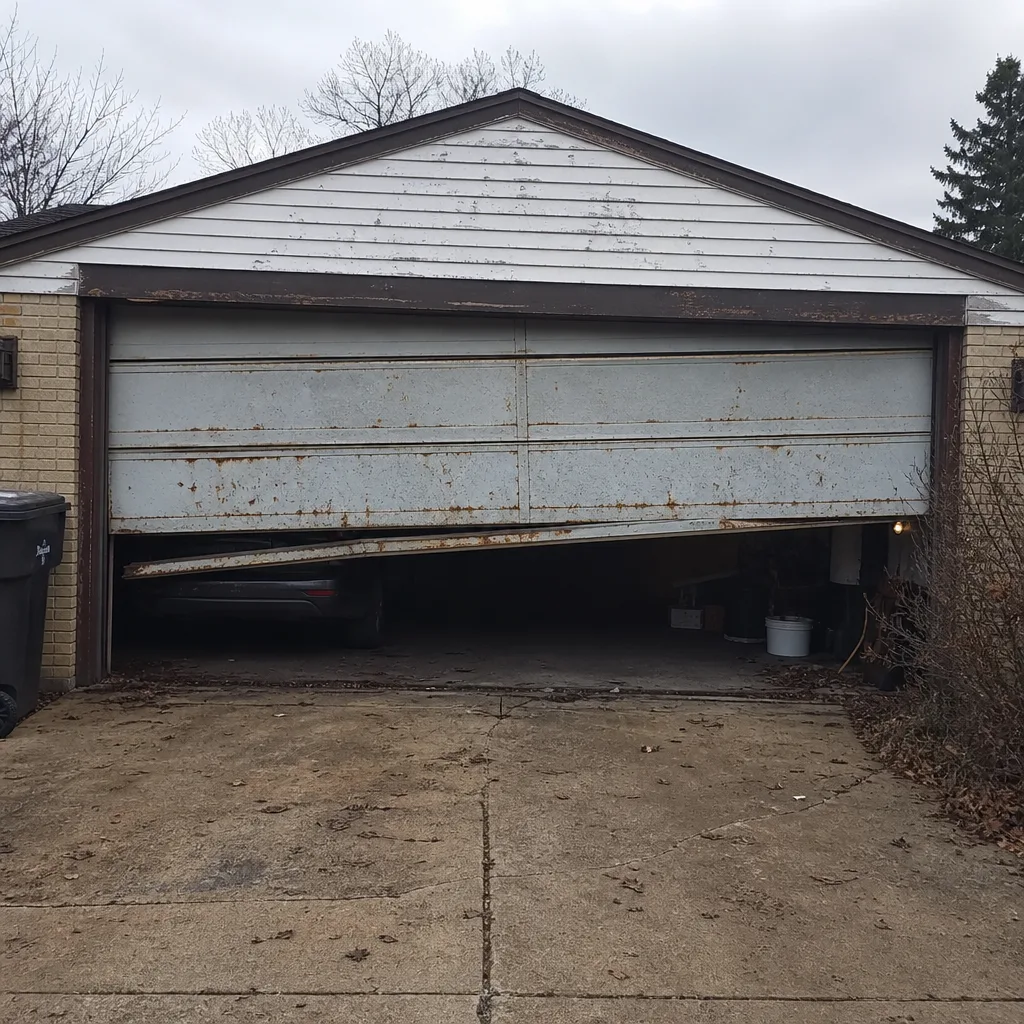 Before
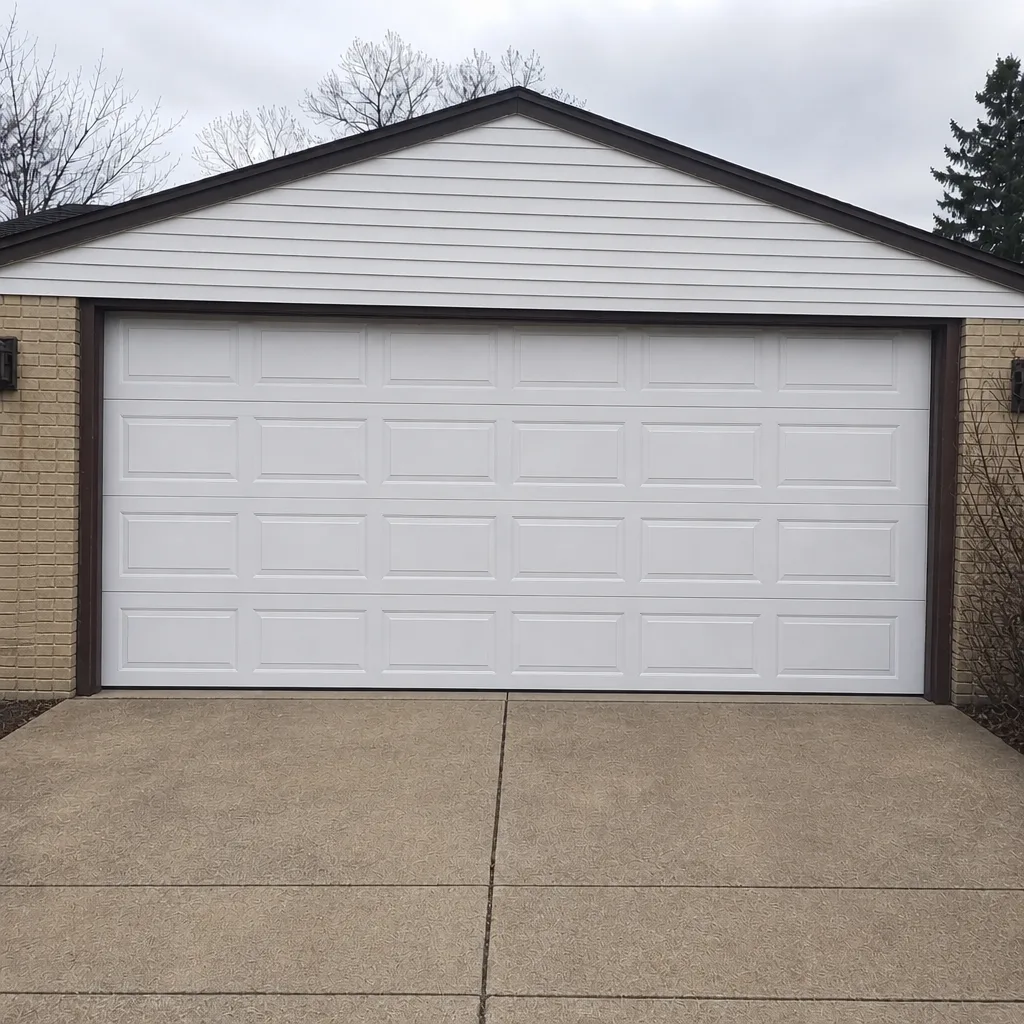 After
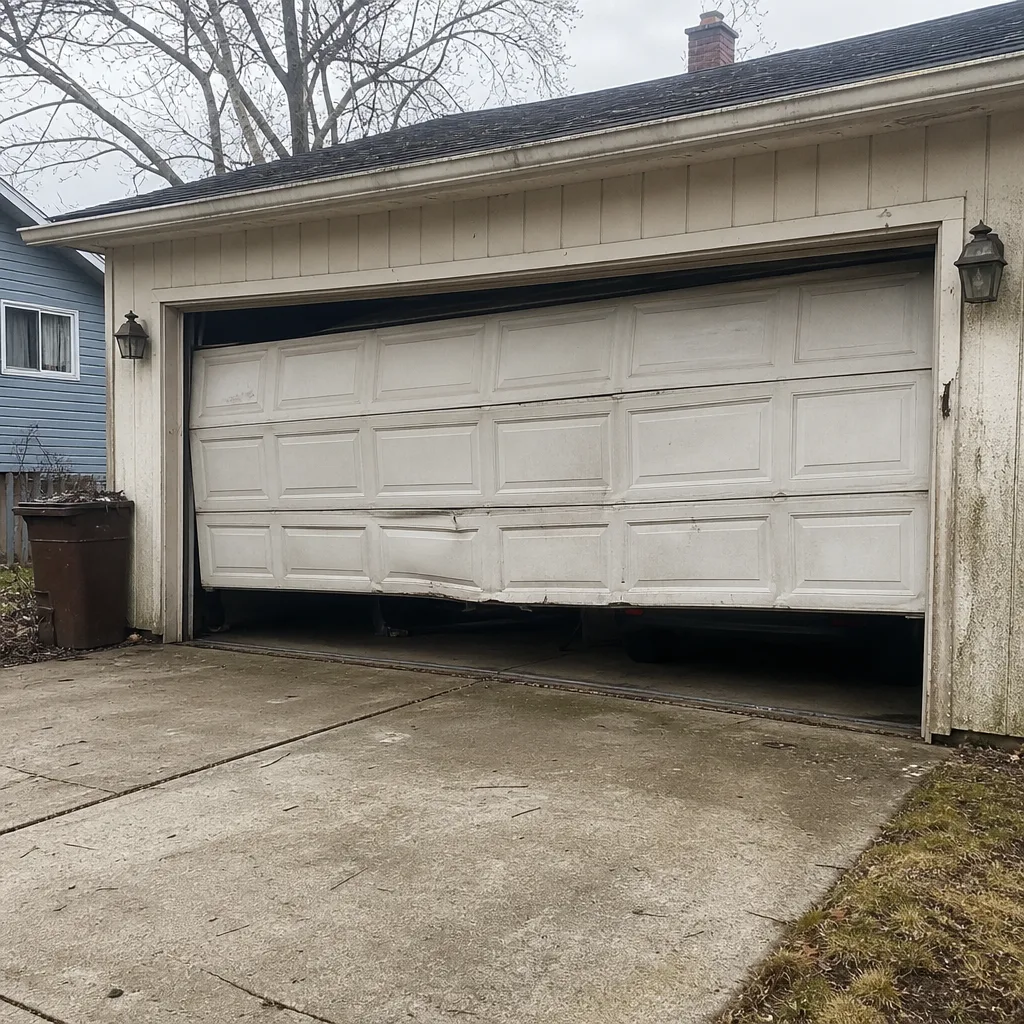 Before
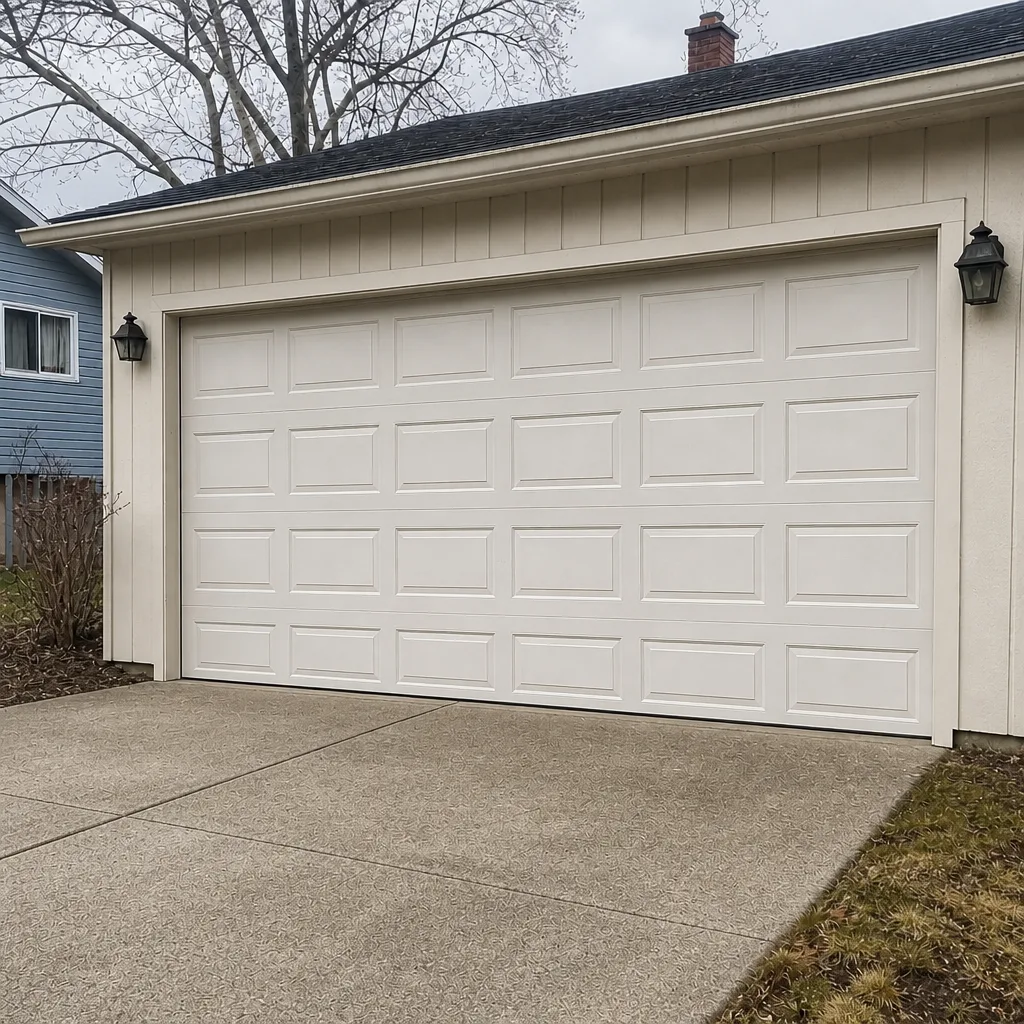 After
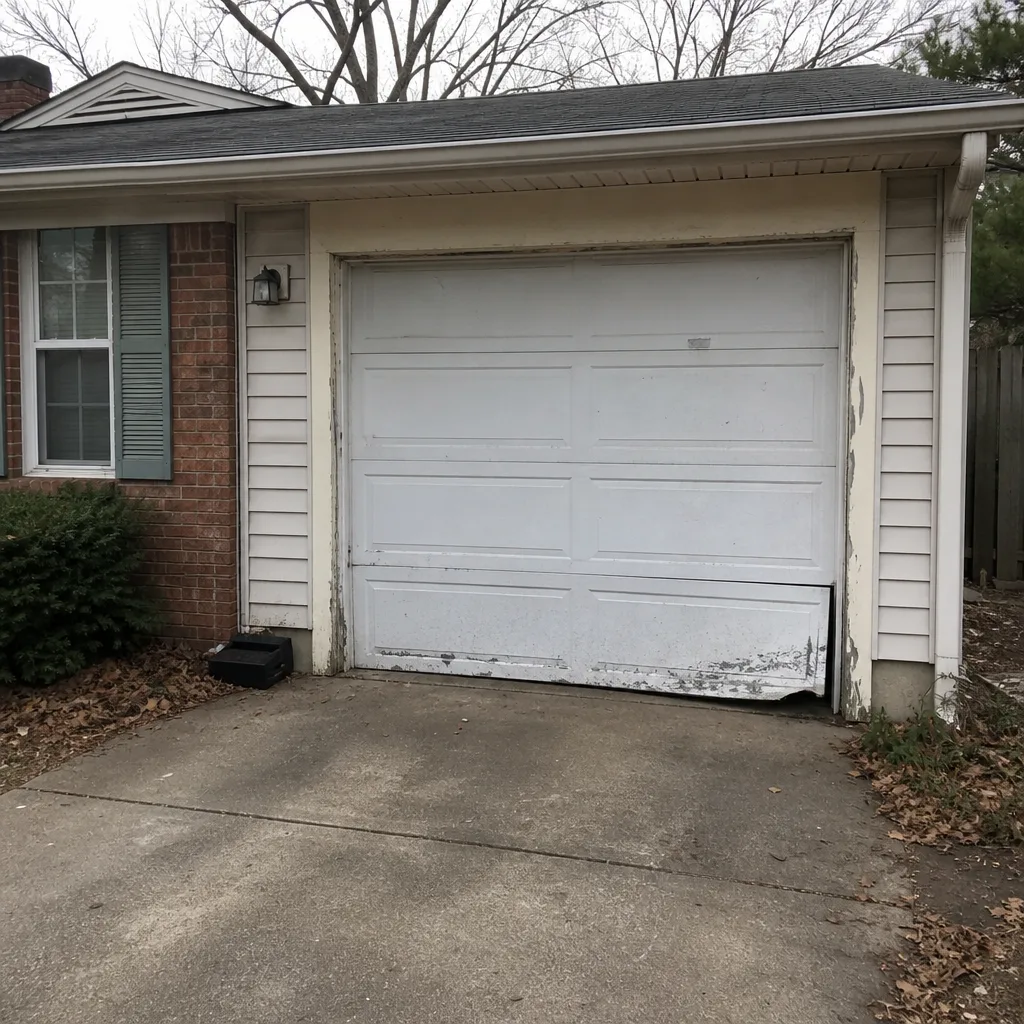 Before
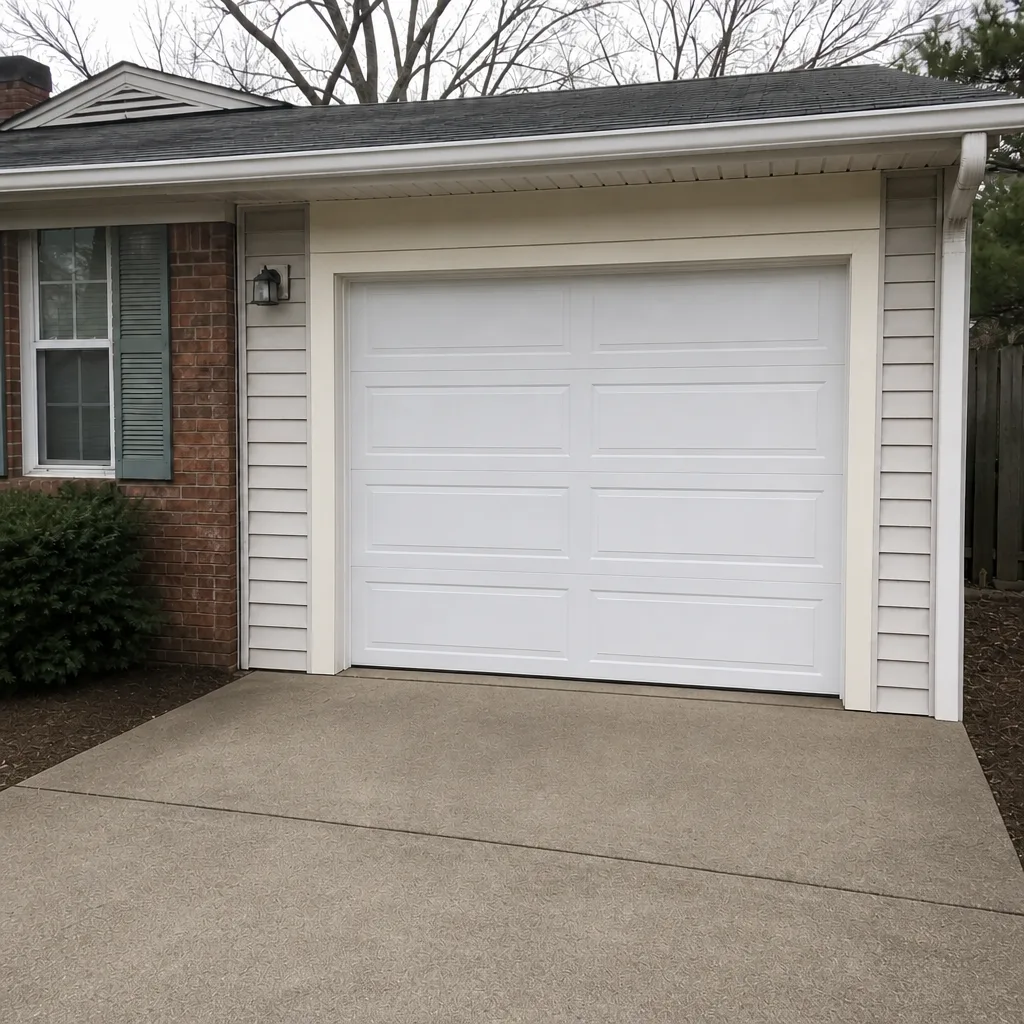 After
When to Call a Professional
Some of what we’ve covered you can handle yourself, like measuring and checking rules. Some of it you shouldn’t. Springs under tension, opener wiring, and anything that could cause the door to come down unexpectedly belong with a trained technician. If your door is off its track, the opener is running but the door isn’t, the door reverses without touching anything, or a spring has snapped, that’s a call. We can work on whatever brand is on your door, and we’ll give you a straight answer about what actually needs fixing rather than a sales pitch. Sage Garage Door Repair offers free estimates in Ann Arbor – call (888) 359-3230. We answer 24/7. Fast dispatch from 7am to 7pm, Sunday through Friday. Our technicians have up to 12 years of experience.
Frequently Asked Questions
Yes, if your garage is attached to the house or sits under living space, an insulated door is the right call in Ann Arbor’s cold winters. It keeps the garage warmer, reduces how hard your home heating works, and runs quieter. Look for a door with a core that runs across the whole panel, not a single-layer steel skin.
Ann Arbor holds a lot of pre-1950 housing, and garages from that era were built with openings that don’t match today’s standard widths and heights. They also often have lower headroom and framing that’s shifted over time. That’s why the measurement comes first and the order comes second. Ask for an on-site measurement before you buy.
There’s no single best brand; there’s the brand that’s common enough to be serviced locally and fits your opening and style. Clopay and Amarr on the door side and LiftMaster and Chamberlain on the opener side are widely available and easy to get parts for. What matters is that your door can be fixed without waiting weeks for a part.
Often, yes. Most cities require a permit for structural changes to a garage opening, and historic districts may require review of the door’s style as well. Ask the city’s building department and any local historic district commission before you order. It’s better to know the rules up front than to find out after delivery.
Usually yes, as long as the new opener’s lift force is rated for your door’s weight and the drive type fits your ceiling. The springs have to be doing their job; an opener matched to an out-of-balance door wears out quickly. Have the door checked for balance at the same time as the opener.
Measure the opening at the jambs and use the smallest figure, check the headroom, backroom, and sideroom, and confirm the door’s spec sheet matches those numbers. Check historic district or association rules if they apply. Then confirm the opener will handle the new door. Get a written estimate before any work begins.
The Bottom Line
The right garage door for an Ann Arbor home is the one that matches the opening you actually have, insulates for a Zone 5 winter, and pairs with an opener that fits the door. Housing era drives the decision more than the catalog does, and rules in historic districts or subdivisions decide the style. Measure first, check the rules, pick a brand with local parts support, and get a written estimate before work starts. From a stuck spring to a full new door, the wise approach is the same: know the facts, then spend.
Call (888) 359-3230 for a free estimate. We answer 24/7. Fast dispatch from 7am to 7pm, Sunday through Friday.
Written by the team at Sage Garage Door Repair.