
Last updated November 15, 2026
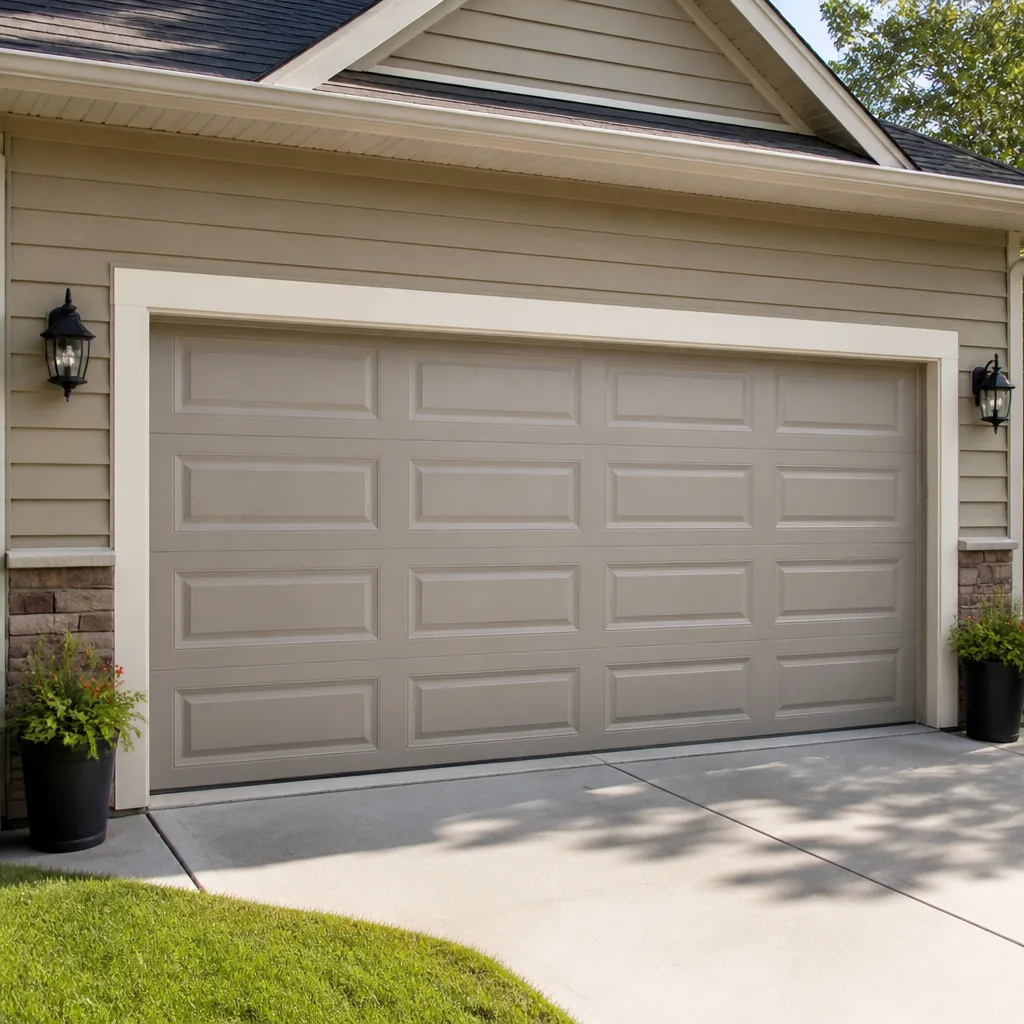 Raised-panel steel
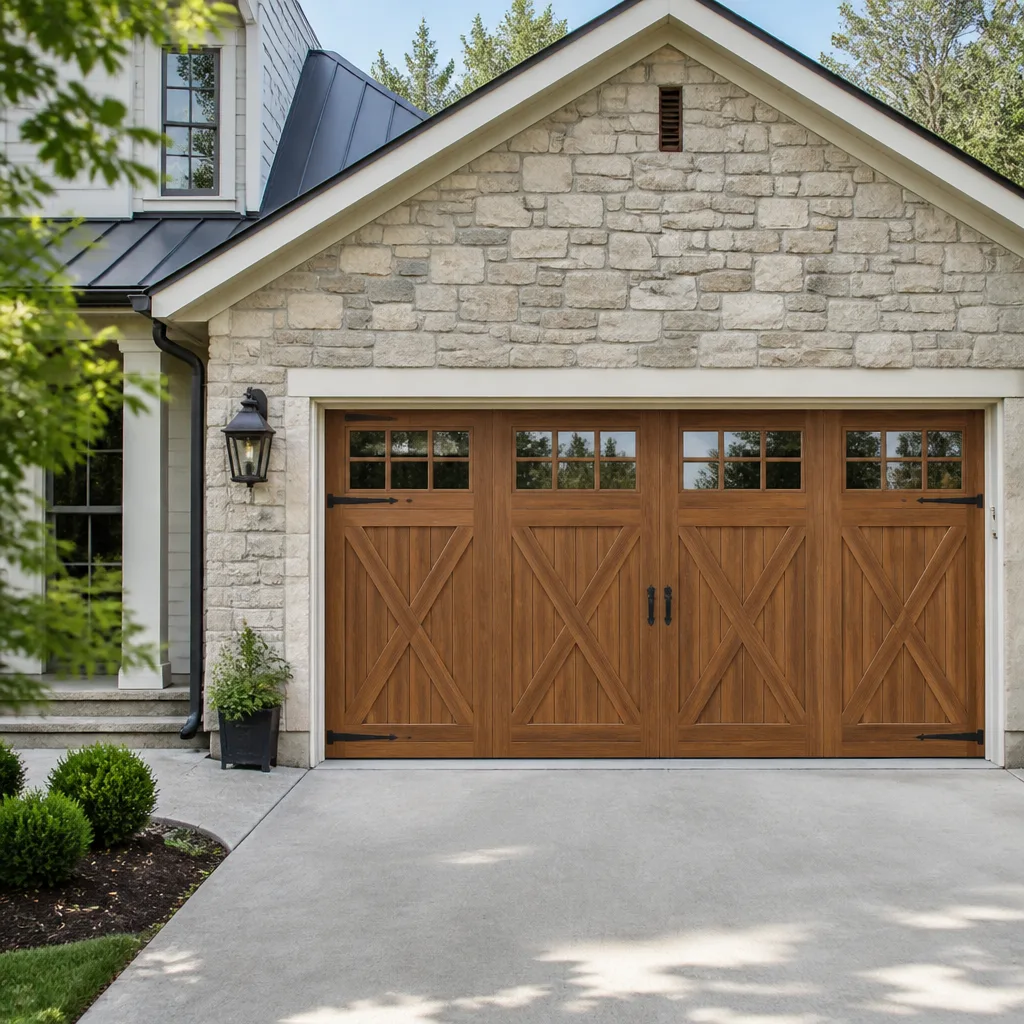 Carriage house
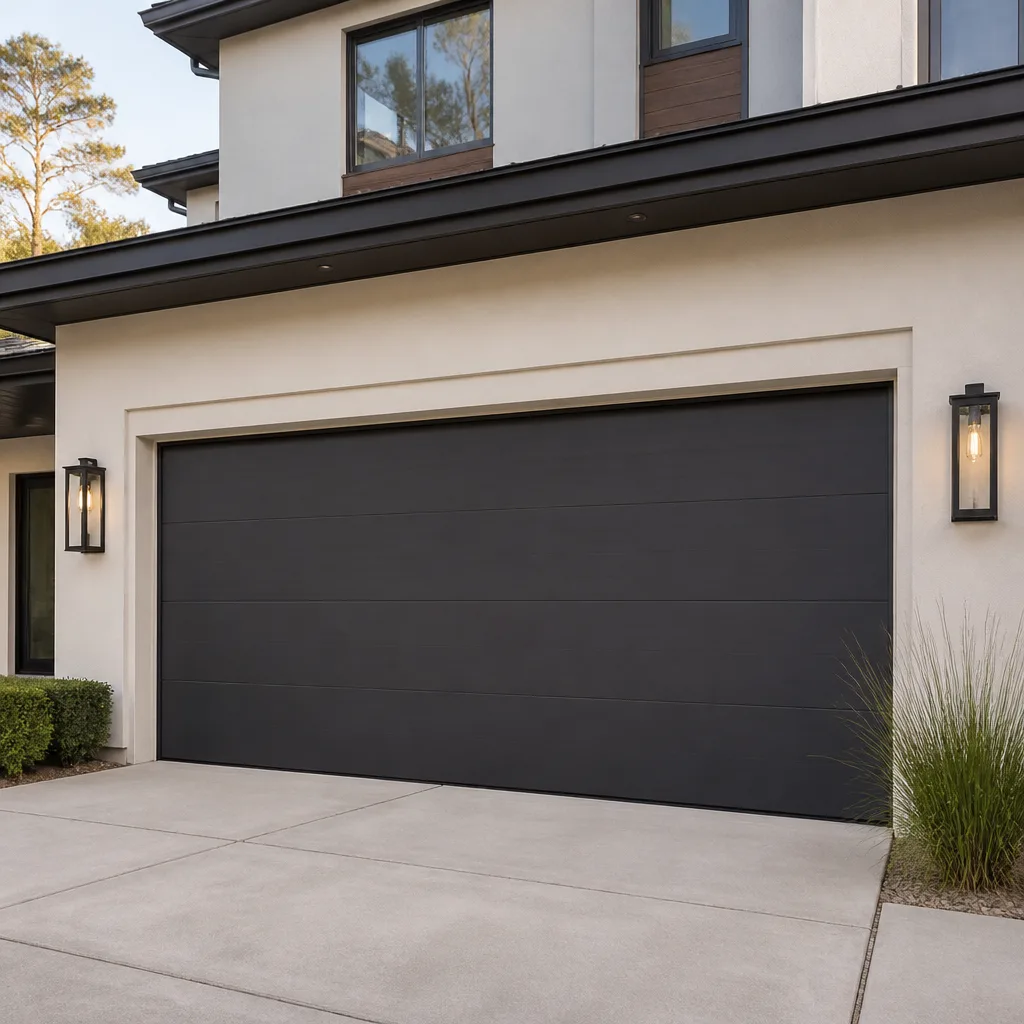 Modern flush
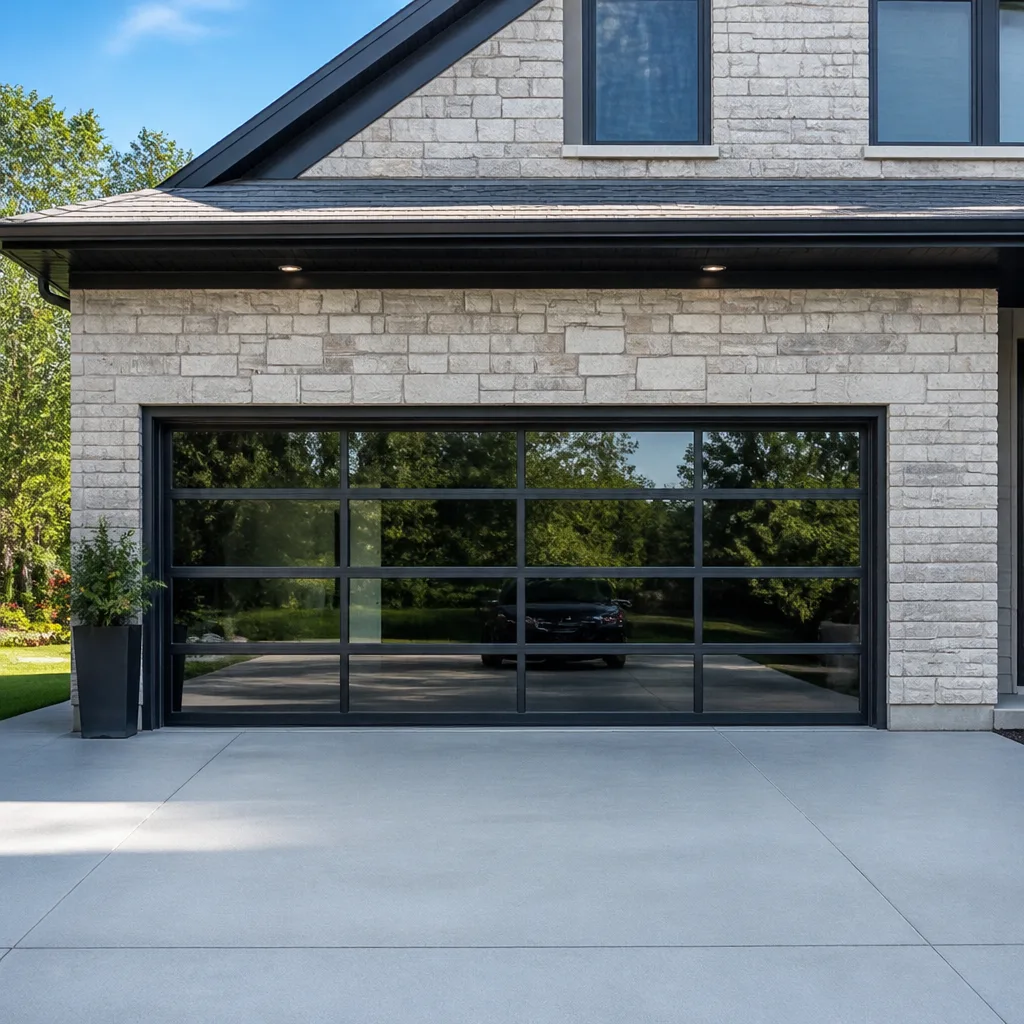 Full-view glass
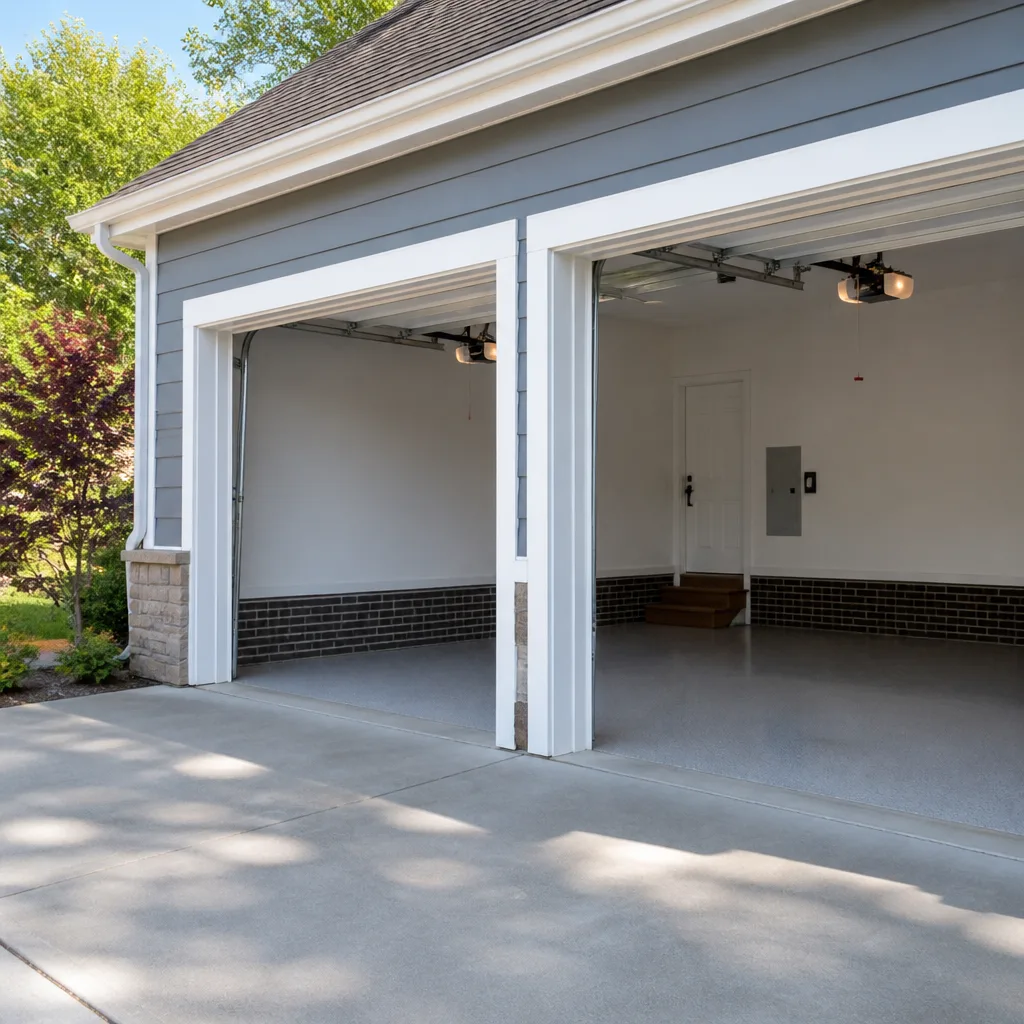 LiftMaster openers
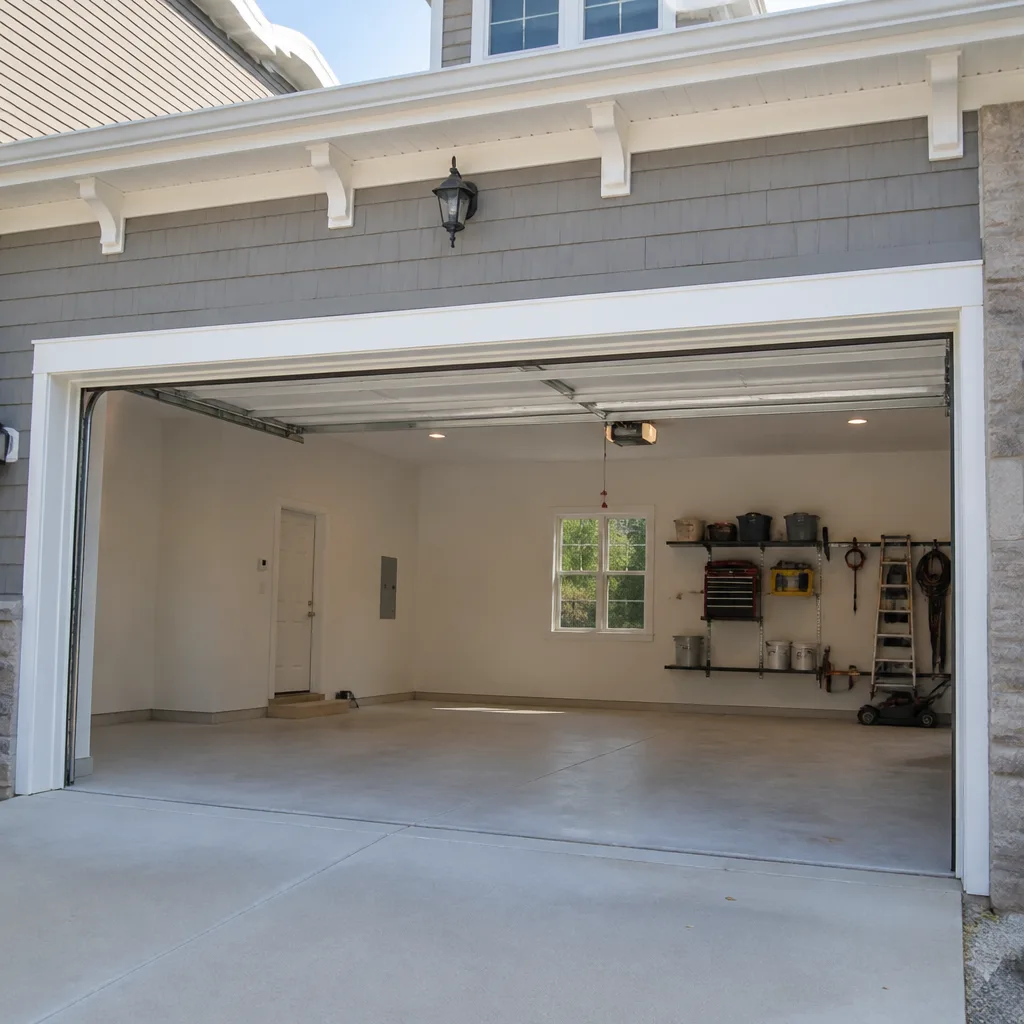 Chamberlain openers
Full 25-point door and opener safety check with every visit - springs, cables, rollers, tracks, and your LiftMaster or Chamberlain opener included
You get a price before we start. It does not change when the pro arrives.
Get your free estimateGarage Door Permits, Codes & Inspections in Ann Arbor, MI: What You Need to Know
Most Ann Arbor homeowners assume swapping a garage door is a no-permit job, and often they’re right. But the line between a straight “replacement in kind” and an alteration that technically needs a permit is specific in Washtenaw County, and it matters most at the moment you least expect it: when you’re selling your house and a buyer’s inspector asks for documentation. This guide draws that line clearly, explains how the Michigan Residential Code applies differently to attached and detached garages, covers the HOA approval layers that run on top of city permits, and shows you how to keep your inspection record clean so a door replacement never becomes a closing problem.
Quick Answer
In Ann Arbor, replacing a garage door with one of the same size and opening, with no structural changes to the header or framing, is generally treated as a repair and doesn’t require a building permit. Anything beyond that, such as widening the opening, changing the door size, modifying the header, or adding new electrical for an opener where none existed, typically does require a permit from the City of Ann Arbor Building & Inspection Services. When in doubt, call the city’s building department directly and describe the exact scope before work starts.
Styles & brands we work with
- Raised-panel steel
- Carriage house
- Modern flush
- Full-view glass
- LiftMaster openers
- Chamberlain openers
Table of Contents
- Does a Garage Door Replacement Need a Permit in Ann Arbor?
- What “Replacement in Kind” Actually Means in Washtenaw County
- How the Michigan Residential Code Treats Attached vs. Detached Garages
- Where the Replacement in Kind Definition Breaks Down
- HOA and Historic District Approval: The Parallel Track
- Inspections and How to Pull Your Final Record
- How Ann Arbor’s Climate and Housing Stock Shape the Work
- Common Mistakes to Avoid
Does a Garage Door Replacement Need a Permit in Ann Arbor?
The short answer: sometimes yes, sometimes no, and the deciding factor is scope, not whether a door is involved. The City of Ann Arbor Building & Inspection Services treats a like-for-like door replacement, meaning the same size opening in the same location with the same framing, as routine maintenance that doesn’t require a permit. Change any of those variables and you’ve crossed into work that does.
Here’s how we explain it to homeowners who call us with this exact question. Think of the door and the structure around it as two separate things. The door itself, the panels, springs, tracks, and opener, is equipment. The opening is structure. Permits in Ann Arbor are almost always about the structure, plus any new electrical work. So:
- Door and hardware only, same opening: no permit in most cases.
- New opener installed on existing wiring: no permit in most cases.
- New opener where no opener existed and new electrical is run: permit territory, because it’s electrical work.
- Changing the opening size, moving the opening, or altering the header: permit required.
- Converting a carport to an enclosed garage or adding a garage door where none existed: permit required.
The nuance that trips people up is the opener. If a garage already has a working manual door and you’re adding an electric opener for the first time, that’s new circuit work, and the city generally wants eyes on it. If you’re replacing an existing opener and using the existing wiring and outlet, it’s a swap. We handle openers for every major brand, from LiftMaster to Chamberlain, and in Ann Arbor the wiring question comes up on roughly the same schedule as the opener question itself.
One thing we can’t tell you is what your specific job requires. Only the city can. Call the building department, describe the scope, and get the answer in writing if the plans are ambiguous. Estimates are free either way, and our Sage Garage Door Repair team is happy to look at the doorway and tell you whether your project looks like a permit case before you call the city.
What “Replacement in Kind” Actually Means in Washtenaw County
“Replacement in kind” is the term that unlocks the no-permit path, and it’s narrower than most homeowners think. In plain terms, it means the new door occupies the same opening, at the same size, in the same location, with the same general construction and the same swing or lift direction, and the surrounding structure is untouched. If you meet every one of those, you’re usually in the maintenance category.
A practical checklist we run through with homeowners before any install:
- Same width and height. Returning to the original opening dimensions after an older door was replaced with something undersized counts as a change, not a like-for-like.
- Same header and framing. No new posts, no trimmers added, no header replaced or reinforced.
- Same location. The door stays in the wall it’s in today.
- Same mechanism type. Sectional to sectional, overhead to overhead. Switching from a tilt-up or one-piece door to a sectional door with new track and springs can move electrical or structural work with it.
- Same electrical situation. If an opener already exists, replacing it on existing wiring is routine. Adding one where electricity doesn’t reach the ceiling is a new circuit.
The other wrinkle for Washtenaw County homeowners is how a final inspection record follows a property. Modern permitting systems keep a searchable history in the city’s files, and a buyer’s inspector in Ann Arbor will often ask about any structural work that shows up in photos. When you make a like-for-like replacement and no permit was needed, you’ll usually have nothing to record, which is fine. When you cross into alteration territory and skip the permit, the absence shows up eventually. That’s the gap where closings get delayed, not because anyone did anything dangerous, but because the paperwork trail doesn’t match the building.
The safe habit is to save the invoice and a few photos of the finished doorway in your home file. Whether or not a permit applied, that record answers the buyer’s question quickly, and it tells a future inspector the work was done deliberately.
How the Michigan Residential Code Treats Attached vs. Detached Garages
The Michigan Residential Code (MRC) applies to one- and two-family dwellings and townhouses across the state, and it draws a meaningful distinction between garages that share a wall with the house and garages that stand apart. That distinction is most visible in fire-separation requirements, and it changes the scope of a garage door job in ways that a homeowner may not think about until the inspector does.
An attached garage sits inside the same thermal and fire envelope as the house. The MRC’s fire-separation provisions are aimed at slowing the spread of a fire from the garage into the home’s living space, and that applies to the wall or walls between garage and living area, the ceiling, and any door between the two. When you replace a garage door on an attached garage, you’re replacing a door that separates the vehicle space from outdoors, but the fire envelope around the structure matters at the same time. If your project touches the separation, get the city involved early.
A detached garage is a separate structure. Fire separation still matters, but the separation is between the garage and other structures or the property line, not between garage and a home interior that isn’t there. Detached garages also raise questions around wiring paths, footing depth, and the durability of the door and hardware against weather, since a detached structure is often unheated.
In Ann Arbor, housing stock in neighborhoods like Burns Park and Water Hill often includes older homes with detached or semidetached garages that were built or added long after the house itself. In those situations, the door replacement is straightforward, but the electrical hookup and any structural change to the opening are where the code questions cluster. We work on whatever brand is on your door, from Raynor to Craftsman, and we point homeowners toward the city whenever a project is more than a swap.
Where the Replacement in Kind Definition Breaks Down
Most of the trouble we see in Ann Arbor happens at the edges, where a project starts as a replacement and grows into an alteration. It’s worth knowing the specific cases in advance, because the actions you take before a crew arrives determine whether you’re in permit territory.
Size changes
Widening a garage door opening from a single-car width to a double-car width, or increasing the height to accommodate a taller door, changes the load on the header and the framing. That’s a structural alteration, and it requires a permit and probably an engineer’s input. In Ann Arbor’s older neighborhoods, where garage openings were sometimes sized for much smaller cars than people drive today, this temptation shows up more than you’d expect. The honest answer is to price the permit and design work in before anything is cut.
Header modification
If the new door requires more headroom, or if the existing header is undersized for the new door’s weight, someone will suggest replacing or reinforcing it. That’s structural. It needs a permit. It also needs to be done properly, because the header carries the roof or wall load above the opening.
Opener wiring
Adding an opener to a garage that’s never had one means running a new electrical circuit, and new circuits need permits in the City of Ann Arbor. Replacing an existing opener on existing wiring is a swap. If your new smart opener requires a new outlet near the ceiling or hardwired integration with a household system, that may put you in permit territory too. It’s worth asking a licensed electrician and the city jointly before you commit.
High-lift and low-headroom conversions
Track conversions that change the door’s lifting path, such as high-lift or low-headroom track, don’t necessarily require a permit, but they can change what’s legally the door’s structure. Have the city confirm whether your conversion is treated as a repair or an alteration.
Fire-rated door swaps
Doors separating living space from an attached garage have fire ratings under the MRC. If the project touches that door, not the garage door, the fire rating is critical and the plan should include the permit and inspection. Getting the label right in the first place is easier than convincing an inspector at final that the assembly matches.
Our garage door repair service frequently starts with exactly this kind of question, and we’d rather spend five minutes explaining the permit boundary than see a homeowner chase a problem at a closing.
HOA and Historic District Approval: The Parallel Track
Ann Arbor’s permit question has a second layer that has nothing to do with the city: neighborhood and association approval. A city permit tells the building department that your work is safe and code-compliant. It says nothing about whether your chosen door style, color, or material is allowed by your HOA or by a historic district overlay.
Some Ann Arbor neighborhoods have design standards that include garage door style, color, and sometimes window placement. If you’re in a neighborhood with an HOA or a historic district, the door appearance is a separate approval from the permit, and the two processes run in parallel. Homeowners sometimes assume that once the city permits the work, they’re done. They aren’t. The HOA can require you to change a door that the city was perfectly happy with, and the cost of that correction lands entirely on the homeowner.
Here’s the practical sequence we recommend for homeowner-managed projects in Ann Arbor:
- Check your HOA documents. Look for language on exterior alterations, colors, and materials.
- Check historic district status. Some Ann Arbor properties are within historic districts that require architectural review.
- Submit the HOA or architectural request, with door product cut sheets and color samples. Do this before you order the door, because door lead times are long enough that a rejected application costs real weeks.
- In parallel, contact the building department if the scope is more than a swap. There’s no reason to wait for the HOA to resolve before confirming whether a permit applies.
- Save both approvals. The HOA’s approval and, if applicable, the permit record both go into your home file.
In Ann Arbor, a homeowner in a neighborhood with design standards who’s working on a period-appropriate door for an older home has a real advantage: working with a brand-agnostic specialist means the recommendation is driven by what the house needs, not by which door line a company profits from most. That matters when the HOA is specific about what it wants.
Inspections and How to Pull Your Final Record
If your Ann Arbor garage door project required a permit, it also required at least one inspection, and usually a final inspection before the permit closes. The final inspection is where an inspector confirms that the work matches what was permitted and what the code requires. A permit that’s been issued but never closed is one of the small housekeeping failures that creates trouble at resale.
Here’s the general sequence once a permit applies:
- Permit is pulled before any work begins. In Ann Arbor, the permit application identifies the scope, contractor, and sometimes drawings.
- Rough-in inspection where applicable, such as electrical rough-in before walls are closed.
- Final inspection after the work is complete. The inspector checks the finished product against the permit.
- Permit closes. The city updates the record to reflect completion.
- Record is pulled. You can request a copy of the final inspection record and permit closure from the city for your file.
Why does this matter at resale? Because a buyer’s inspector, or a title search that surfaces an open permit, can delay a closing. A closed permit with a final inspection on record answers the question in advance. So does a simple file with the original invoice and a few photos. Whether or not a permit applied to your project, having a record is what protects you at the point of home sale, and that’s a stronger protection than anyone’s memory of the job.
If you’re unsure whether a permit was pulled for work done before you owned the home, you can request the property’s permit history from the City of Ann Arbor. It’s a public record and worth checking if you’re listing the home soon.
How Ann Arbor’s Climate and Housing Stock Shape the Work
Ann Arbor sits in a climate with real winters, ice, and freeze-thaw cycles that stress garage door components in ways homeowners in milder regions never see. That’s not a code question, but it’s part of why the work matters. Springs, cables, rollers, and bottom seals all take more wear here, and the door has to open cleanly in February after sitting in cold for weeks. A door that’s marginal in October can be stuck open in January.
The housing stock shapes the permits side too. In Ann Arbor neighborhoods like Kerrytown and the Old West Side, older homes often have garages that predate modern cars, modern openers, or modern standards for opening size. That means homeowners sometimes face a choice between a like-for-like replacement, which usually stays on the no-permit side, and a “while we’re at it” size change that lands them in permit territory. It’s tempting to combine the upgrade into one job. It’s also a meaningful decision, and the permit is not the expensive part: the structural work is.
In newer Ann Arbor developments, the situation flips. Garages are often attached or integrated into the home’s envelope, openers are already wired, and the door replacement is usually a straightforward same-size swap. The brand of the opener matters less than whether the door has room to open cleanly through a Michigan winter. We work on LiftMaster, Chamberlain, Genie, Clopay, Amarr, Wayne Dalton, Craftsman, and Raynor doors and openers, and in Ann Arbor the door’s winter performance is where most calls eventually lead.
If your door has been sticking or the opener has been straining in the cold, that’s worth a look now rather than after a failure. You can reach our garage door opener repair team to diagnose the problem, and if the door or opener turns out to be at end of life, we’ll say so plainly rather than sell you a new system you don’t need.
Common Mistakes to Avoid
- Assuming the HOA approval is the same as the permit. They are two distinct processes with two distinct reviewers, and approval from one does not guarantee approval from the other. Confirm both before ordering the door.
- Changing the opening size to “make room” without checking the permit rules. Widening a garage door opening is structural work, and in Ann Arbor it almost always requires a permit and probably an engineer. Get the answer from the city before the saw goes in.
- Adding opener wiring in an attached garage without confirming the electrical permit. New circuits are electrical work, and the fact that the wiring is only in a garage doesn’t exempt it.
- Skipping the final inspection. An open permit in the city record is exactly what a buyer’s title search will surface. Get the final inspection done and the permit closed.
- Discarding the door documentation. Product cut sheets, invoices, and photos matter when a future buyer asks about the door’s age or performance, and they take ten seconds to keep.
- Treating an attached and detached garage as the same thing for fire-separation purposes. The Michigan Residential Code treats the fire envelope differently depending on the structure, and that affects what a permit project has to include.
- Ordering a door before confirming the HOA design allows the one you want. Door lead times are long, and a rejected application halfway through the process costs weeks. Submit the HOA application first.
When to Call a Professional
Call us when you’re not sure whether your project is a like-for-like replacement or an alteration, and you want someone who does this every day to look at the doorway before you spend money on design or the city. Call us when the door is older, the opening is unusual, or the opener is acting up and you need to know whether the problem is the door, the opener, or the electrical circuit. Call us when the door needs to be replaced and you want a written price before any work starts, or when the springs or cables are involved, because those components are under heavy tension and belong in trained hands. We service every brand we’ve listed and we don’t upsell. Sage Garage Door Repair offers free estimates in Ann Arbor, and you can call (888) 359-3230 to get one. We answer 24/7. Fast dispatch from 7am to 7pm, Sunday through Friday.
See the difference
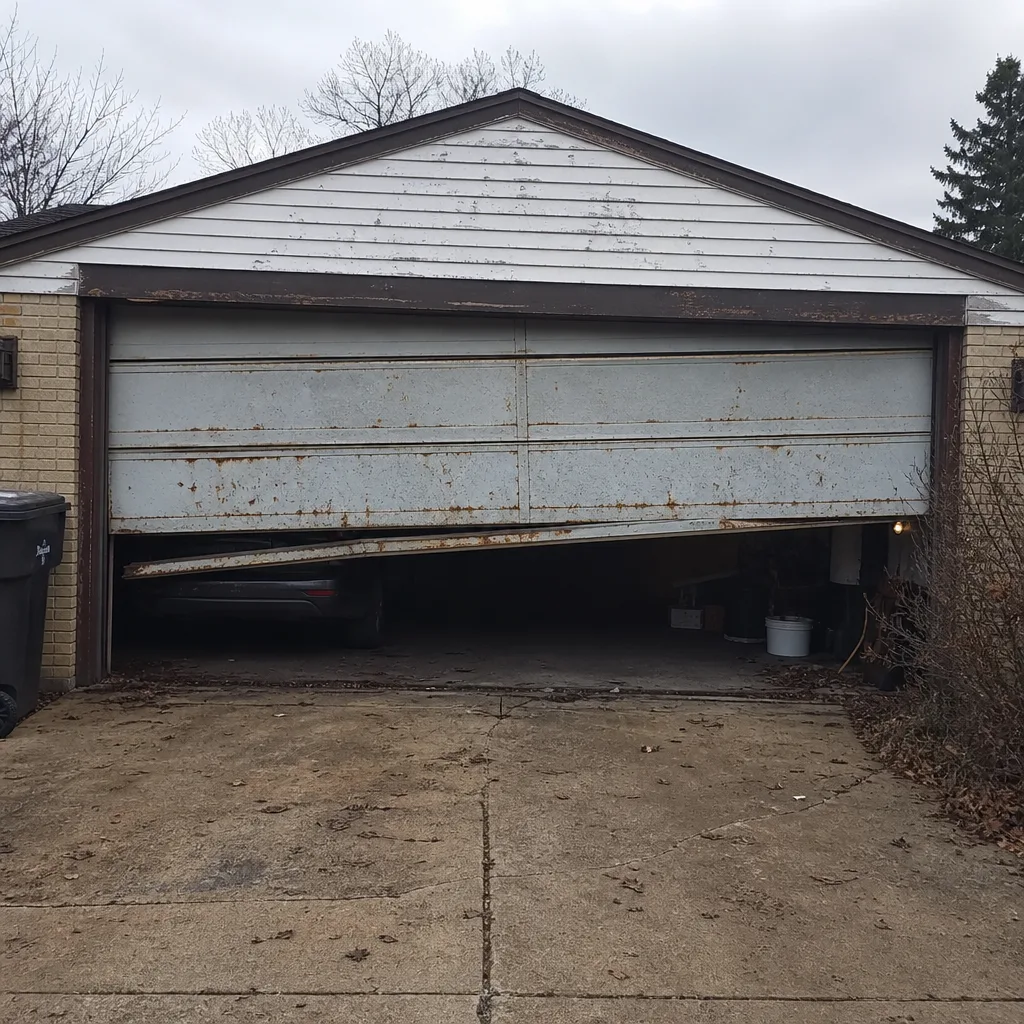 Before
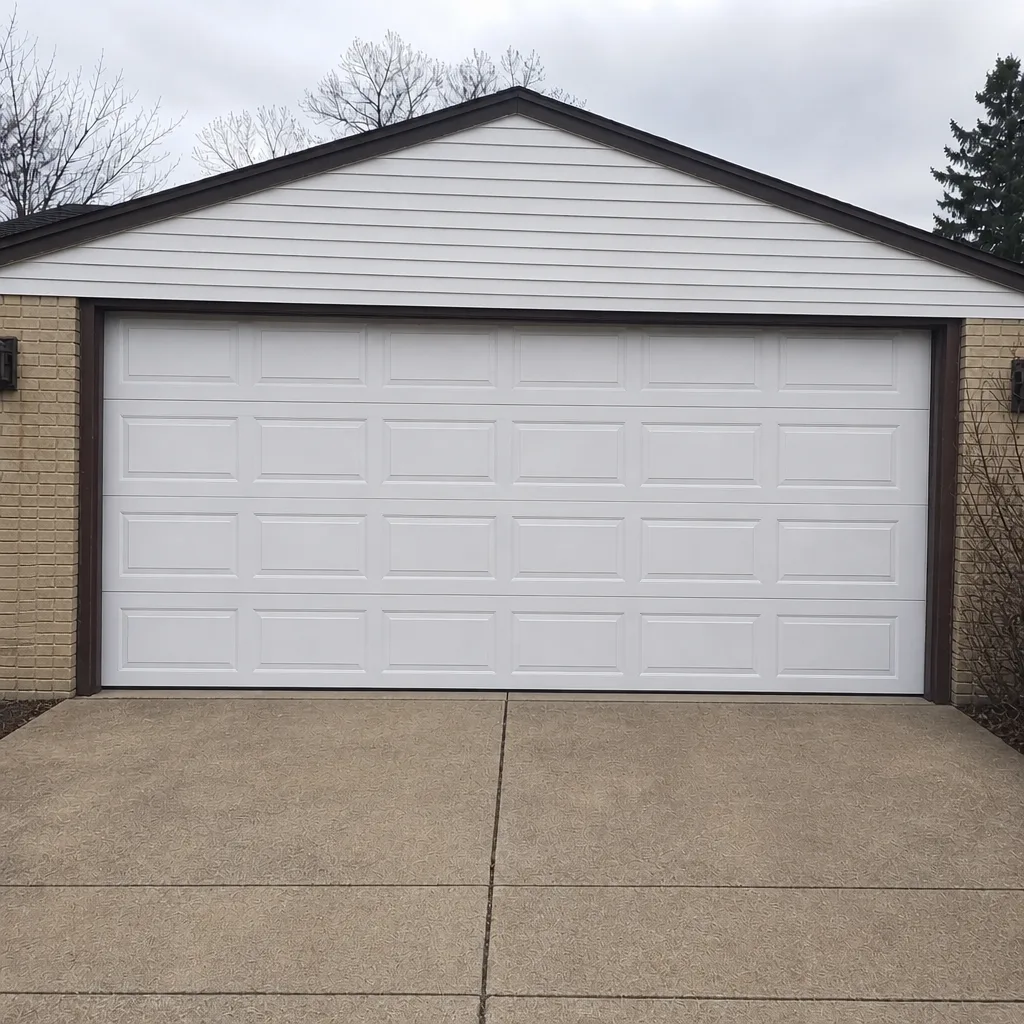 After
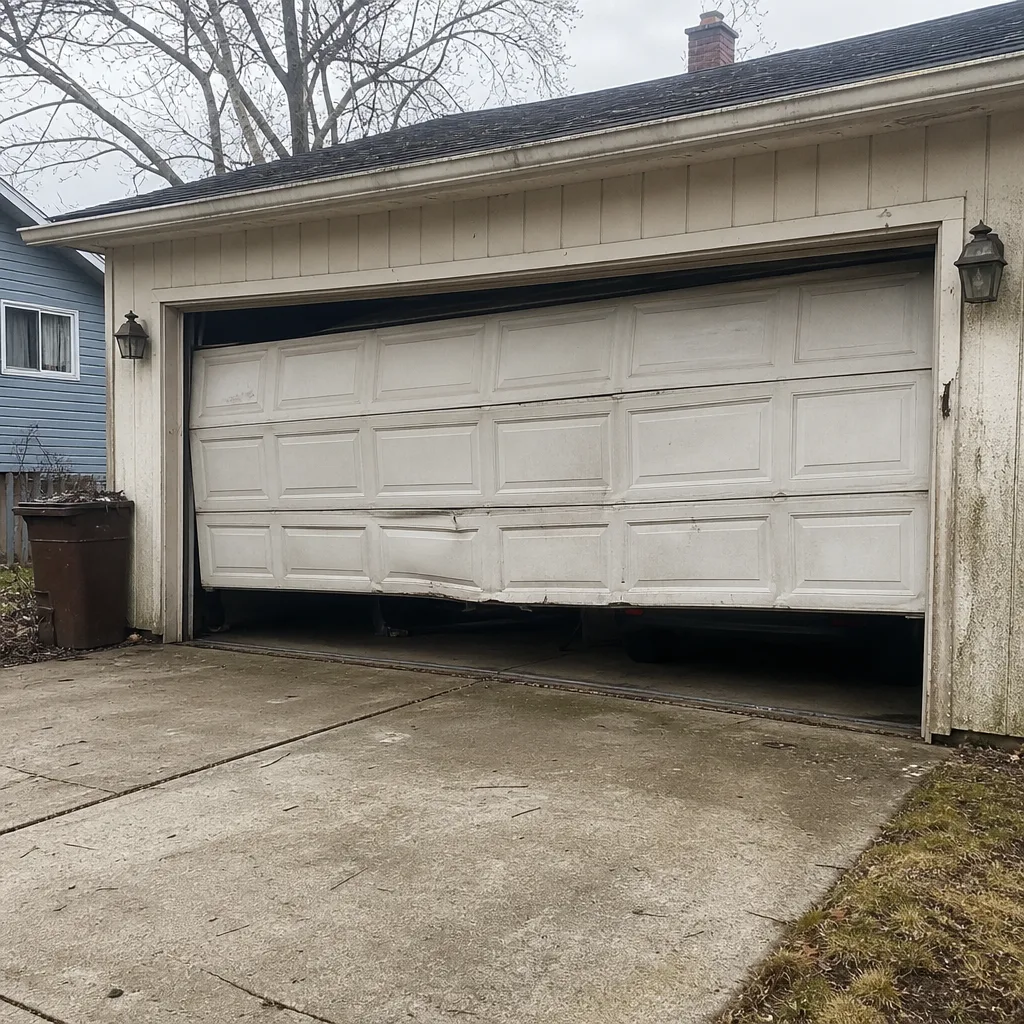 Before
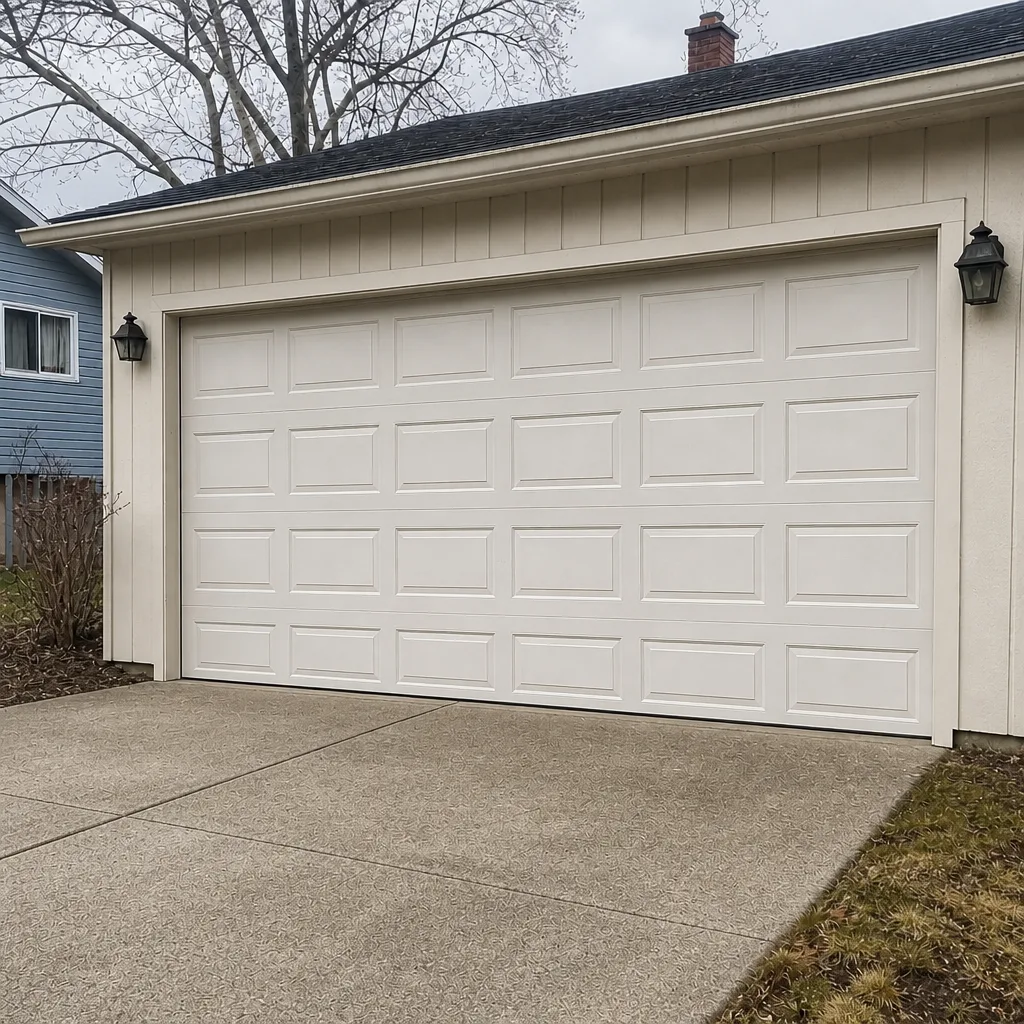 After
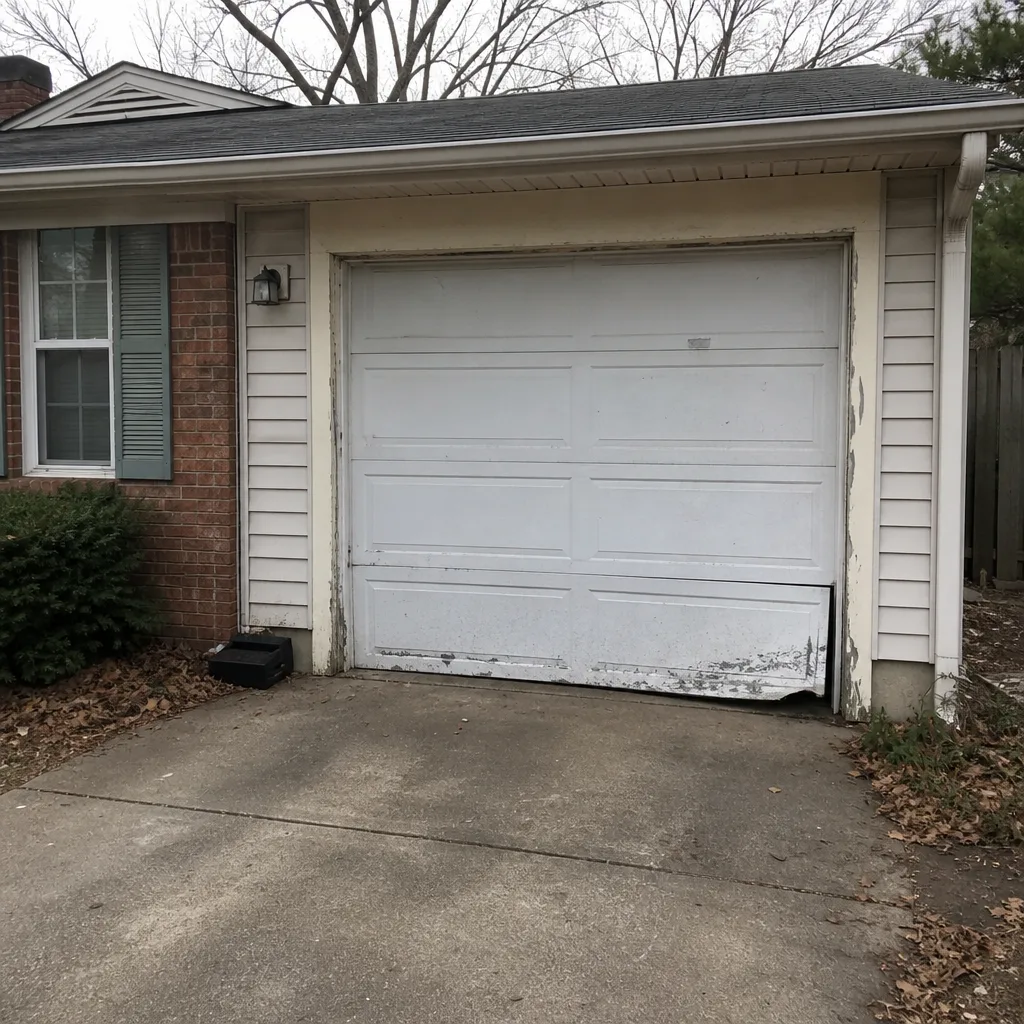 Before
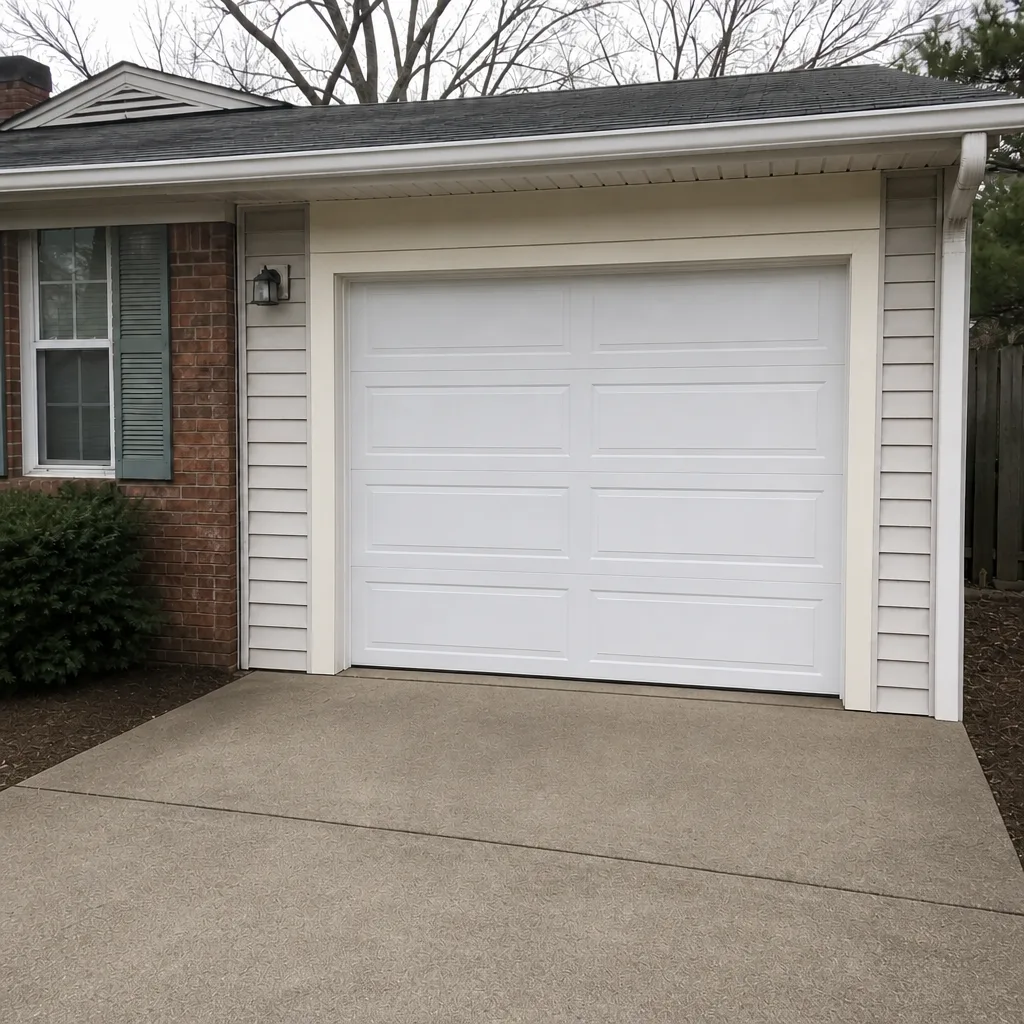 After
Frequently Asked Questions
Usually not, as long as the new door is the same size and in the same opening with the same framing and no new electrical work. Any change to the opening, the header, or the electrical circuit generally does require a permit from the City of Ann Arbor Building & Inspection Services. When your scope is a straight swap, call us at (888) 359-3230 for a free estimate. We answer 24/7, with fast dispatch from 7am to 7pm, Sunday through Friday.
It depends on the wiring. Replacing an existing opener on the existing outlet and circuit is generally a swap without a permit. Adding an opener where none existed and running a new electrical circuit usually requires an electrical permit. When in doubt, ask the city before the opener arrives, and call us at (888) 359-3230 if you want a first opinion on the setup.
Replacement in kind means the new door matches the old one in size, location, lift type, and surrounding structure, with no changes to the header or framing. Any change to those elements moves the project out of like-for-like territory. Call (888) 359-3230 for a free estimate if you want us to look at your project and tell you whether it looks like a swap.
The Michigan Residential Code applies fire-separation requirements to the boundary between an attached garage and the living space, plus any door between the two. Detached garages are separate structures, and fire separation for them is drawn against the property line and other structures rather than a home interior. The practical rule: if your project touches the fire envelope, get the city involved.
Yes. The city’s permit process and an HOA’s design review are independent. A door that passes inspection can still fail HOA appearance rules, and the HOA has no obligation to accommodate a door the city allowed. Submit the HOA application before ordering the door, and save the approval for your file.
Request the permit history for your address from the City of Ann Arbor. A closed permit with a final inspection on record answers a buyer’s question at resale in a single document. If the record is missing, or the permit was never closed, resolve it before listing the home. For the door work itself, call us at (888) 359-3230. We answer 24/7, with fast dispatch from 7am to 7pm, Sunday through Friday.
The Bottom Line
Most garage door replacements in Ann Arbor are routine maintenance and don’t need a permit. The projects that do need one fall into a predictable set: size changes, header modifications, new electrical for a first-time opener, and anything that touches the fire envelope between an attached garage and the home. Confirm the scope with the city before work starts, submit the HOA application before ordering the door, and keep the final inspection record on file. Doing those three things answers the questions a buyer’s inspector will ask, and it protects you at the point of home sale. Our technicians have up to 12 years of experience across every major brand, and we’re glad to give a straight answer on whether your project is a swap or a permit case. Call (888) 359-3230 for a free estimate. We answer 24/7. Fast dispatch from 7am to 7pm, Sunday through Friday.
Written by the team at Sage Garage Door Repair.