
Last updated November 15, 2026
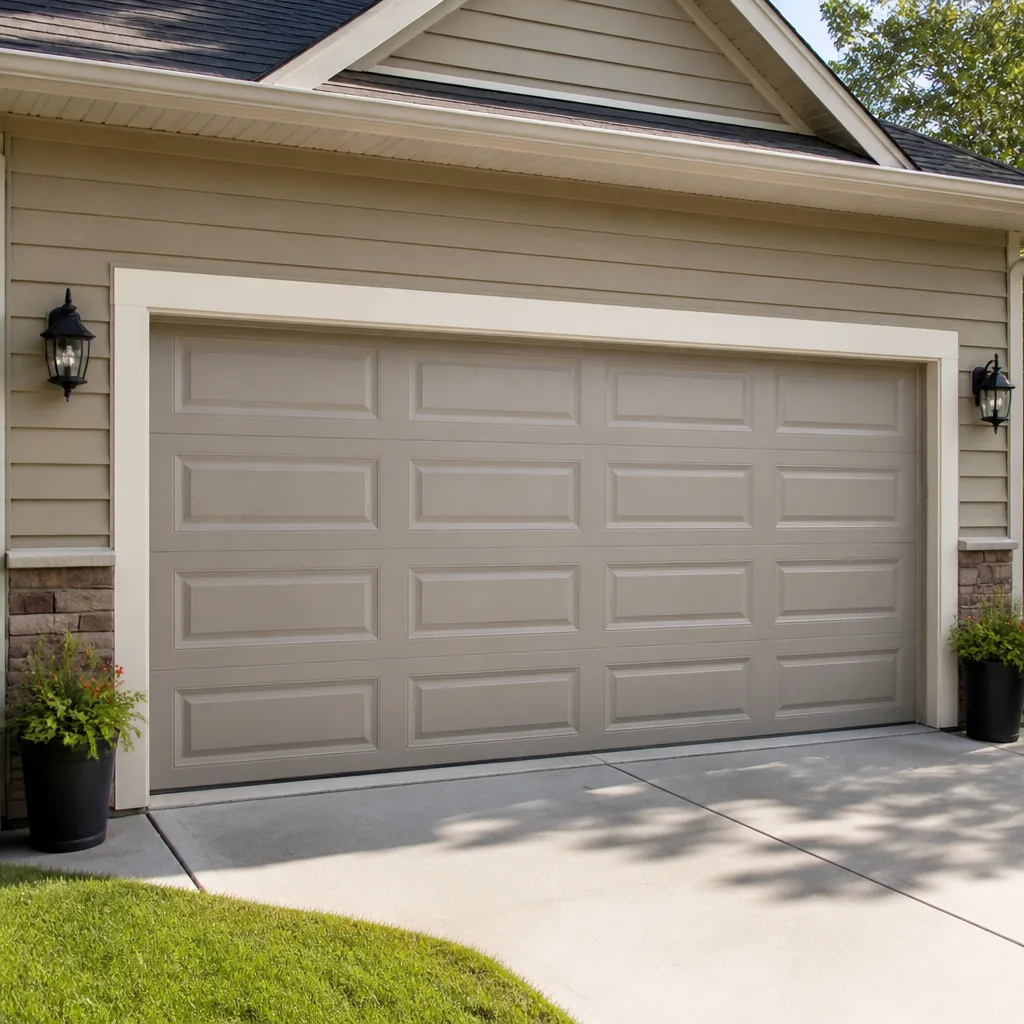 Raised-panel steel
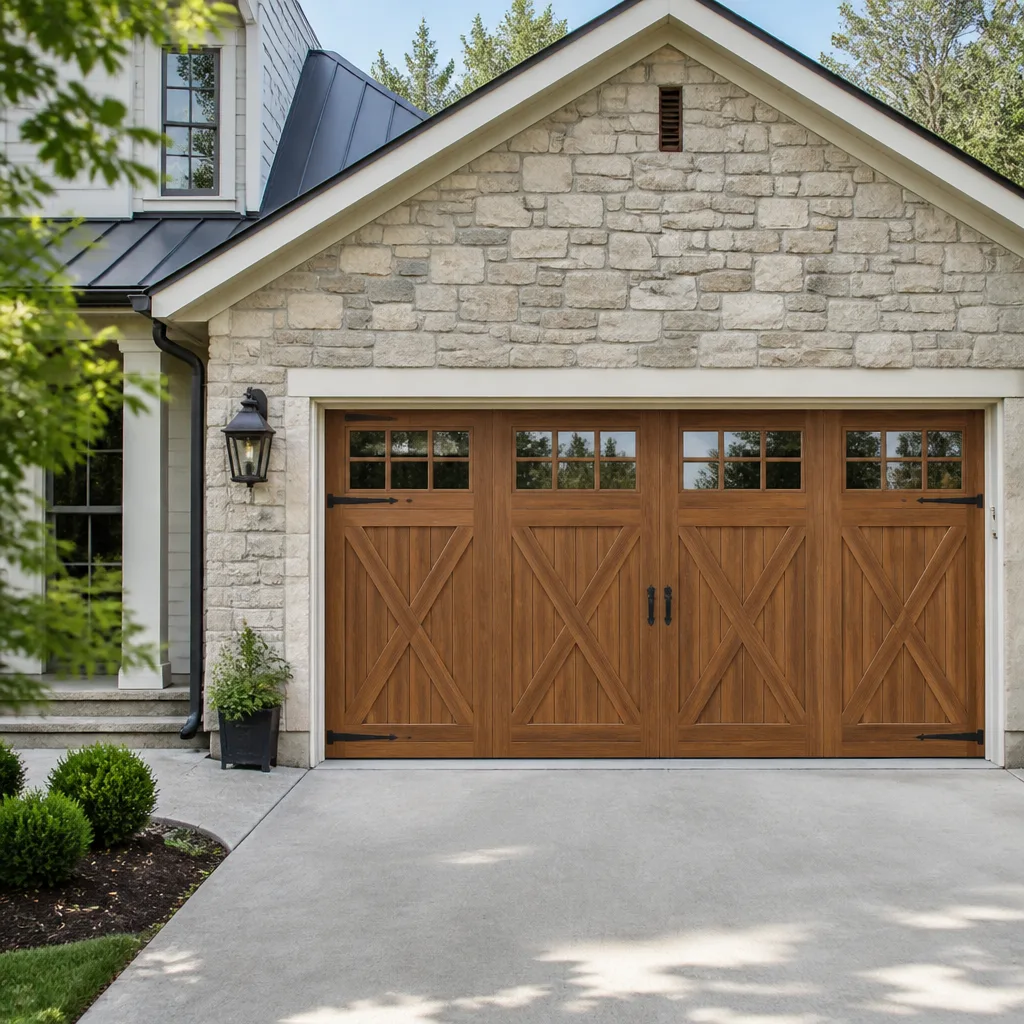 Carriage house
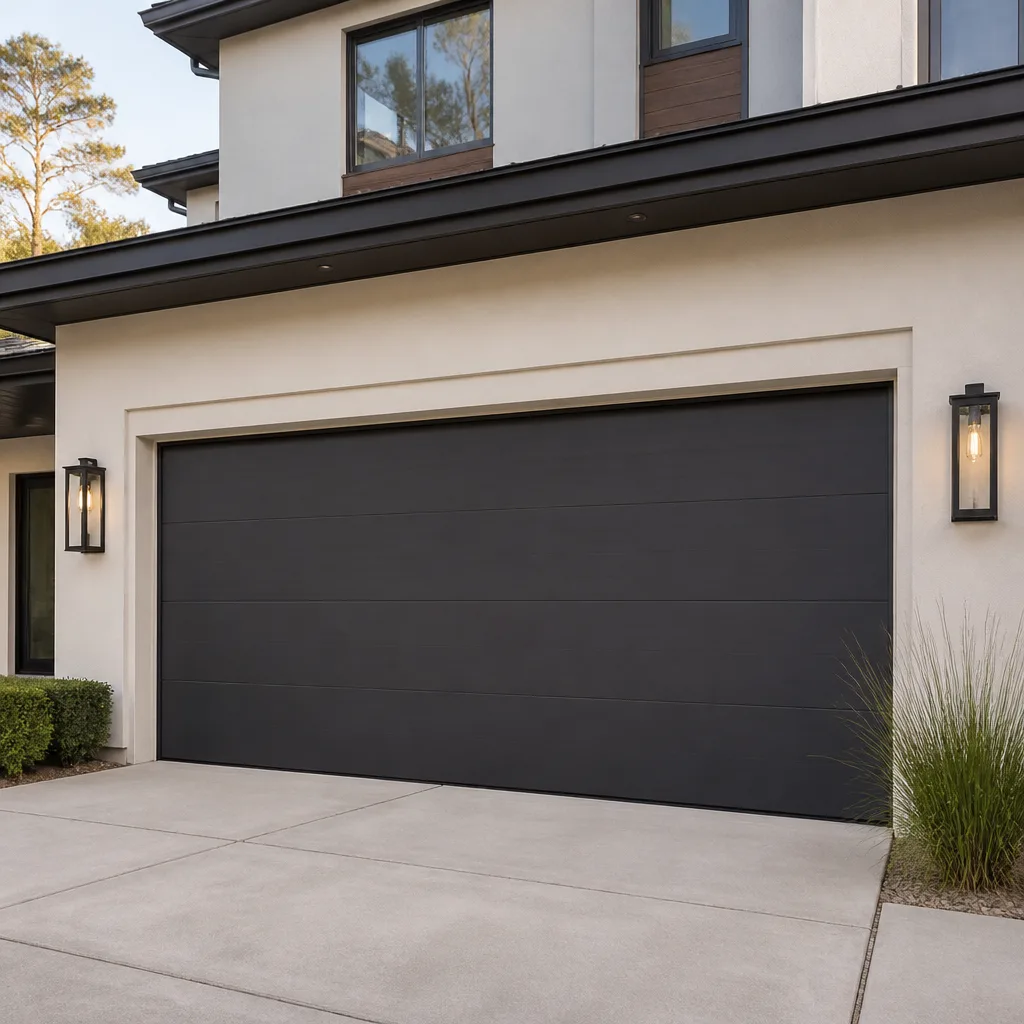 Modern flush
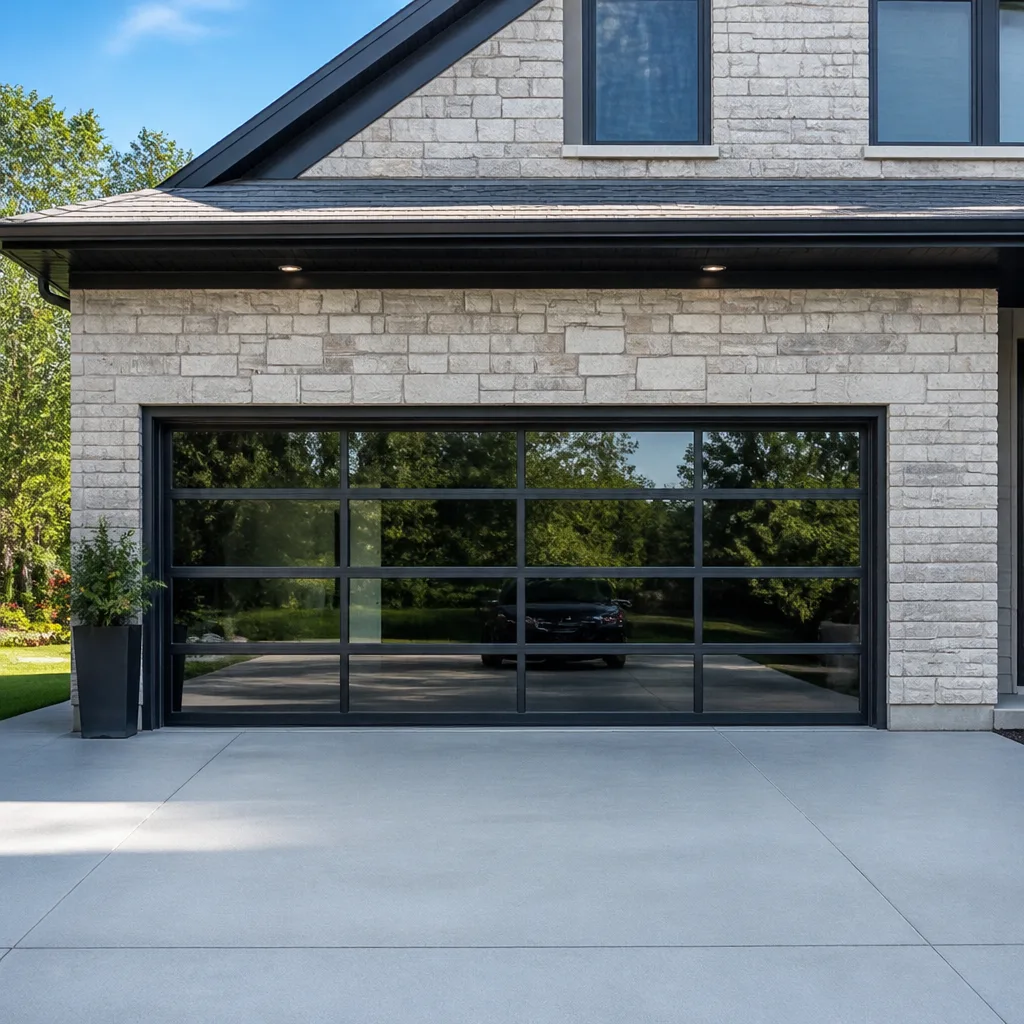 Full-view glass
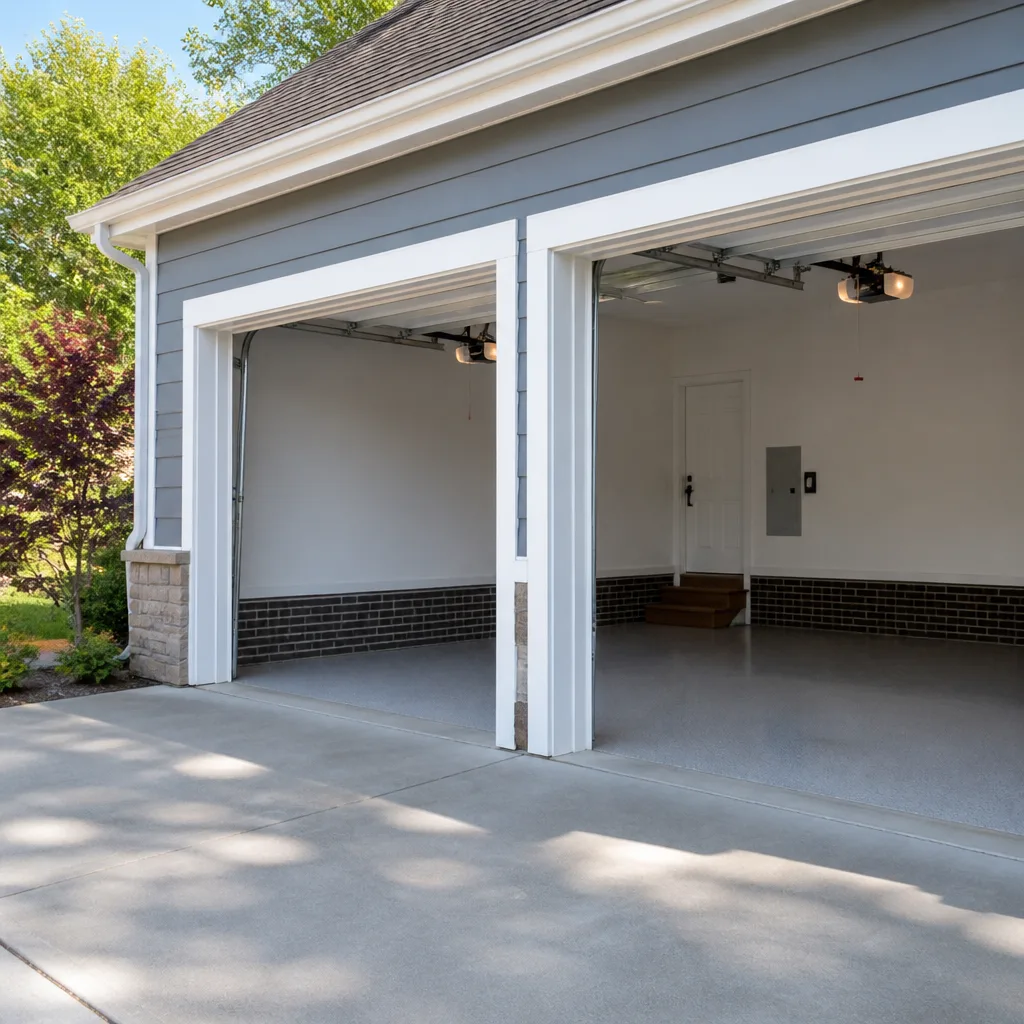 LiftMaster openers
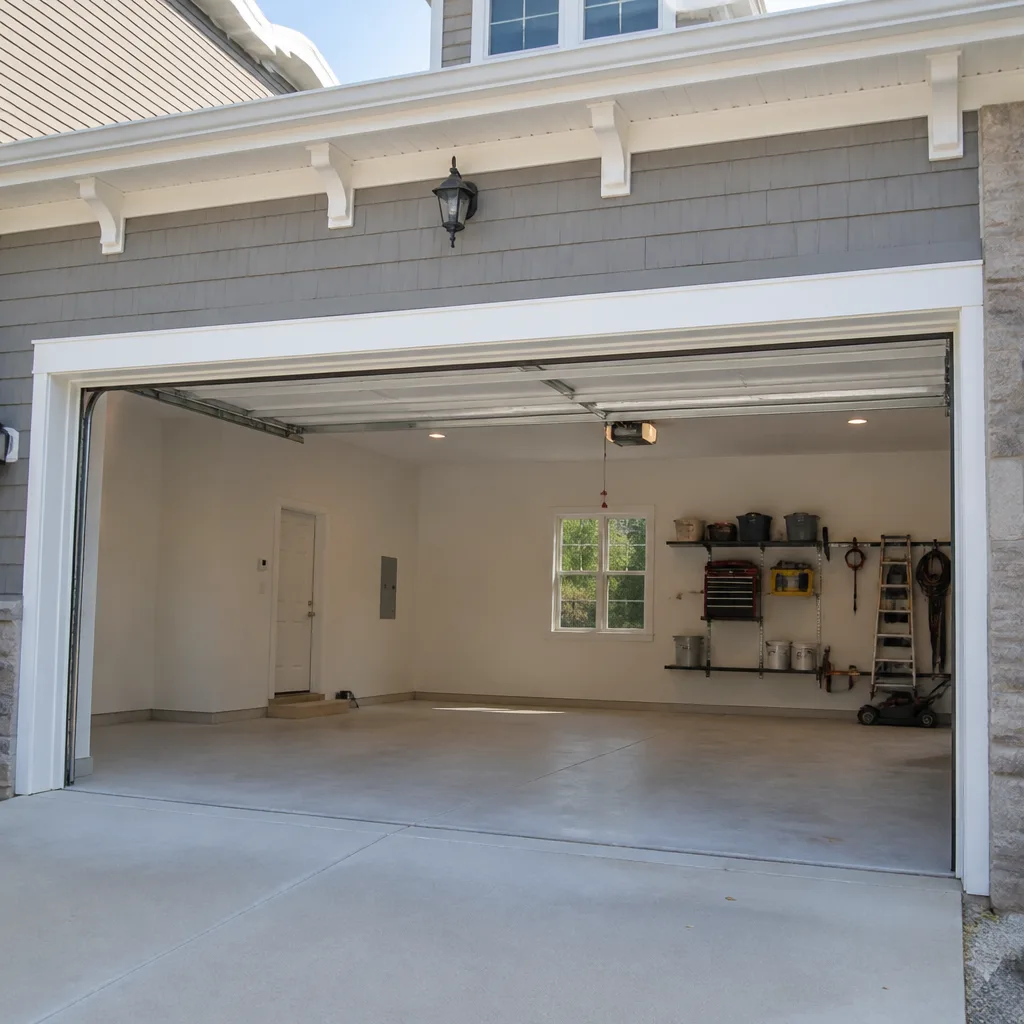 Chamberlain openers
Full 25-point door and opener safety check with every visit - springs, cables, rollers, tracks, and your LiftMaster or Chamberlain opener included
You get a price before we start. It does not change when the pro arrives.
Get your free estimateGarage Door Warning Signs: An Ann Arbor Homeowner’s Reference Guide
Most garage door warning signs guides describe catastrophes you’d never miss: a door hanging off one track, a snapped cable, a spring that let go with a bang. This reference is about the other kind. The quiet ones. The door that’s “a little slow” going up in January. The rattle you’ve started to hear on the way down but have stopped noticing. The bottom seal that leaves a thin line of daylight you’ve walked past a hundred times. The thesis here is simple: a garage door rarely surprises a homeowner who’s been paying attention, and it almost never surprises one who knows which small signals mean what. Nine out of ten broken torsion springs, in our experience, gave plenty of notice. Someone just didn’t know “slow on the way up in cold weather” was the notice. This guide is built to change that, and it’s written from Ann Arbor, where cold winters, road salt, and freeze-thaw cycles give our doors a particular set of stresses. What follows is how to listen to yours.
Quick Answer
The most important garage door warning signs in Ann Arbor are slow or labored operation in cold weather, new and persistent noises (grinding, popping, rattling, squealing), a door that reverses or stops partway, visible rust patterns beyond light surface oxidation, and daylight showing past the bottom seal. Each one points to a specific component and a specific urgency level. The goal isn’t to panic over every creak; it’s to know which quirks are the door telling you something and which are genuinely harmless.
Styles & brands we work with
- Raised-panel steel
- Carriage house
- Modern flush
- Full-view glass
- LiftMaster openers
- Chamberlain openers
Table of Contents
- Why “It Still Works” Is the Most Expensive Sentence
- The Cold-Weather Performance Test: A January Benchmark
- Reading Rust: Surface Oxidation vs. Structural Corrosion in Michigan
- Noise Classification: What Grinding, Popping, Rattling, and Squealing Tell You
- Is It Your Opener or Your Door? How to Tell
- The Gap Test: Bottom Seal Failure and Heat Loss
- A 10-Point Visual Walkaround
- Common Mistakes to Avoid
- When to Call a Professional
- Frequently Asked Questions
Why “It Still Works” Is the Most Expensive Sentence
“It still works” is the phrase that costs Ann Arbor homeowners the most. Not because it’s false – the door does still work – but because it sets the bar at the wrong height. Working is the minimum. A door can be working while it’s also quietly eroding: a spring losing tension, a roller wearing a flat spot, a hinge pulling loose from salt-weakened steel. The door keeps opening because the components have just enough margin left to finish the job.
The trap is that most of us are wired to notice sudden changes, not slow ones. A spring that snaps is unmissable. A spring that loses three percent of its tension a month is invisible until the door starts dragging in February. By then you’re often looking at a different repair than you would have been managing earlier, and you’re dealing with it on the schedule the door chooses rather than the one you’d prefer.
From “It Still Works” to “It’s Telling Me Something”
Homeowners who get ahead of garage door problems do one thing differently: they treat small changes as information. A new noise, a slightly slower cycle, a draft at the bottom of the door – these aren’t emergencies. They’re notes. The skill is reading them. A grinding sound is a note about a roller or a bearing. A popping sound is a note about a hinge or a panel joint. A door that hesitates before reversing is a note about the opener’s logic or a binding track.
What Ann Arbor’s Climate Adds to the Question
Anywhere in Michigan, the garage door lives through a wide seasonal swing. Summer humidity, winter freeze, road salt tracked in on the floor, and temperature swings in the shoulder months all stress the same mechanical parts. What might be a mild annoyance in a climate with a flat annual temperature becomes a recurring issue in Ann Arbor, where the door is asked to work correctly from a muggy August afternoon to a single-digit morning in January. That’s a lot of expand-and-contract cycles on steel, cables, and springs. It’s also a reason our garage door repair work tends to be diagnostic first, parts replacement second. The door is telling you what the climate is doing to it. We just help you read the notes.
The Cold-Weather Performance Test: A January Benchmark
This is the test most homeowners have never run, and it’s the single best early indicator of a marginal spring. Once a season – ideally in the first serious cold snap in January – time your door’s full open and close cycle. Not to compare against some standard number, but to compare against itself: your door, in mild weather, versus your door, in cold weather. The difference tells you whether your spring tension has margin or whether it’s running on fumes.
How to Run It
- On a day when the outside temperature is above 45°F, use a stopwatch (your phone works) and time a full open cycle from the moment the door starts moving to the moment it stops.
- Time a full close cycle the same way.
- Repeat in genuinely cold weather – ideally below 25°F – using the same method.
- Write both numbers down. You’re creating your own baseline.
- Repeat the cold measurement the next January. If the cold-weather open time has grown noticeably longer than last year’s cold-weather open time, your spring is likely losing tension.
Torsion springs on a well-tuned door should lift the door with roughly the same ease in January as in June. Cold thickens lubricant, and a slightly slower cycle in deep cold is normal. What isn’t normal is a door that noticeably lags in the cold one year and lags a lot the next. That progression is the door’s way of warning you before a failure. The door that gets slow every winter is a door that’s gradually losing spring tension, and replacing one spring proactively is dramatically less disruptive than dealing with it when the door won’t open at all on a February morning with the car already running. If your cycle stays crisp year over year, that’s a strong sign your spring system is healthy and you can turn your attention elsewhere.
Reading Rust: Surface Oxidation vs. Structural Corrosion in Michigan
Ann Arbor’s mix of summer humidity, winter road salt, and fall rain puts every steel garage door through a real corrosion test. But not all rust is a warning sign. Some is cosmetic. Some is structural. Knowing which is which keeps you from overreacting to a speck and under-reacting to a real problem.
Surface Oxidation: Not a Warning Sign
Light orange dusting on painted steel, especially near the bottom panel or around fasteners, is usually surface oxidation. It’s the paint layer breaking down slightly and the steel underneath beginning its normal reaction to moisture. You can wipe it, sand it, and touch it up. Left alone for years it will get worse, but it’s not a sign the door is failing. It’s a sign it needs cosmetic attention.
Structural Corrosion: A Real Warning Sign
Structural corrosion shows up differently. Look for:
- Bubbling or flaking paint in a localized spot, especially along a horizontal seam. That’s rust lifting the paint from underneath, meaning the steel itself is being consumed.
- Dark brown or black rust at the base of the bottom panel or around hinges and rollers. This is the “deep” rust, and it’s the kind that weakens the steel.
- Rust creeping from the inside out on the inner face of the door, visible when the door is up. Interior rust is often more telling than exterior rust because it’s where condensation collects in a Michigan winter.
- Rust around the bottom seal, where the aluminum retainer and steel door meet. Salt and moisture pool here.
Localized structural corrosion near a hinge or a bottom panel is worth a professional look. A single corroded hinge is a cheap replacement. A door panel corroded to the point of flaking is a conversation about whether the door needs a section replaced or the door replaced. If you’re in Ann Arbor and you’re seeing deep rust that doesn’t clean up, our technicians can tell you which one you’re dealing with; we work on all the major door brands, so the diagnosis isn’t limited to whichever brand a particular shop happens to carry.
Noise Classification: What Grinding, Popping, Rattling, and Squealing Tell You
Noise is the most under-read signal a garage door sends. Homeowners tend to describe the problem as “it’s making a noise” and then wait to see if it gets worse. Better to classify the noise first, because each type points to a different component with a different urgency.
Grinding
A grinding sound, especially on the way down, usually points to a roller that’s seized or a bearing that’s failing. The roller should spin freely; when it’s stopped, it’s dragging across the track and grinding the metal. This is a “get it fixed soon” issue. Continued grinding permanently wears the track and can lead to tracking problems that are more expensive to solve.
Popping
A sharp pop, especially one you can hear or feel through the wall, often points to a hinge, a joint between panels, or the torsion system. If you hear a single loud pop and the door stops moving on one side, stop operating the door and have it looked at. If it’s a repeated soft pop as the door moves, it’s usually a hinge or a panel joint under stress. Not an emergency, but not something to ignore for months either.
Rattling
Rattling generally means something is loose – a hinge bolt, a track bracket, a bolt on the panel, or a roller that isn’t seated. It’s the lowest-urgency sound of the four, but it’s the one that tends to worsen quietly until a bolt falls out and you’ve got a real problem. Tightening is simple; leaving it usually isn’t.
Squealing
A high-pitched squeal is typically a lubrication problem or a dry hinge. It’s the most easily addressed of the four, and the most likely to be misdiagnosed as “just old.” It’s not; it’s a signal that the mechanism needs attention. A little targeted lubrication usually resolves it, but if it comes back quickly, that tells you something is wearing faster than it should.
If you’re noting more than one noise at once, that’s the point to call rather than wait. A door doing two things wrong at the same time usually has a single cause, and identifying that cause is what our technicians do – it’s also why opener repair is a standalone service for us rather than a footnote. The motor, the track, and the door are one system, and noise classification is one of the fastest ways to figure out where in that system the problem lives.
Is It Your Opener or Your Door? How to Tell
This is the question most Ann Arbor homeowners get wrong, and getting it wrong costs money. A struggling door will kill a healthy opener; a failing opener will make a healthy door look broken. The difference matters because the fix is different and the underlying cause belongs to different parts of the system.
Signs the Door Is the Problem
- The door is heavy to lift by hand when disconnected from the opener.
- The door drifts down or up on its own once you let go of the manual release.
- The door binds or catches partway up, especially on one side.
- The door is slow in cold weather but fast in warm weather.
- You can see daylight at one side of the door but not the other, indicating alignment or track wear.
Signs the Opener Is the Problem
- The door moves smoothly by hand when disconnected but struggles when the opener is engaged.
- The opener makes an electrical or motor noise without moving the door.
- The wall button or remote works intermittently.
- The opener’s lights blink in a pattern that doesn’t clear.
- The door reverses immediately on the way down regardless of obstructions.
Why the Distinction Matters to Your Wallet
An opener is designed to lift a balanced door with light effort. When a door is out of balance, the opener compensates, and it compensates on every cycle. Over time the motor runs hotter, the gear assembly wears harder, and what was a simple mechanical adjustment becomes a motor replacement. This is the early motor failure signal: the door has a mechanical problem, and the opener is the thing that will pay for it. If your opener is a LiftMaster, a Chamberlain, or a Genie, the same logic applies; the brand doesn’t change the mechanics. If you’ve noticed the pattern and want a real diagnosis, our garage door opener repair appointment starts by testing the balance of the door itself before we touch the opener. Sometimes the right answer is not to fix the opener at all, but to fix the door and let the opener do its job.
The Gap Test: Bottom Seal Failure and Heat Loss
Here’s an Ann Arbor-specific consequence of a failing bottom seal: your gas bill notices before you do. The bottom seal is the rubber or vinyl strip running along the underside of the door. When it fails, it usually fails one of three ways: it flattens and no longer makes full contact, it cracks along its length, or it pulls free of the aluminum retainer and hangs loose.
How to Test
- Close the door fully.
- Turn off the garage lights and stand inside the garage. Any daylight showing along the line where the door meets the floor is a gap.
- Walk the length of the seal. Look for thin lines of light at the corners, along one side, or in the middle.
- Run a hand along the inside of the seal. You’ll feel the draft before you see it.
- Check the retainer for looseness. A seal in good condition shouldn’t pull away from the aluminum.
Why Winter Makes It Worse
A small gap in a Michigan January is not a small gap. It’s a channel for cold air straight into the garage, and from there into the wall the garage shares with the house. In our experience, a failing seal is one of the least expensive fixes with one of the most noticeable effects on a homeowner’s winter comfort. Replacing the seal itself is often a short job. The risk isn’t the seal; it’s the water that gets past a failing seal where the door meets the slab. In an Ann Arbor freeze-thaw cycle, moisture that gets under the door and freezes overnight can shift the slab edge over time. Seal replacement is the cheap version of that story. Slab repair is not. If your seal is past due, the gap test is worth ten seconds of your attention every fall.
A 10-Point Visual Walkaround
This is the walkaround owners can do in about five minutes. It’s not a substitute for a professional inspection, but it catches the majority of the quiet warning signs before they become loud ones.
- Look for daylight at the bottom seal. Any visible line of light is a gap.
- Check the door alignment. The door should sit level at the floor; one side higher than the other means a track or spring issue.
- Look at the hinges and rollers. Rust, looseness, or flat spots on roller wheels are all signals.
- Inspect the track. Look for bends, dents, or gaps where the roller meets the track. Tracks should be smooth and even.
- Look at the torsion spring or springs above the door. A visible gap in the coil is a broken spring; do not operate the door if you see one.
- Check the cables. Slack, fraying, or a cable that’s off its drum is a stop-and-call situation.
- Look at the paint on the bottom panel. Bubbling, flaking, or dark rust means structural corrosion.
- Check the safety sensors. The two small eye sensors at the base of the track should be aligned and clean.
- Test the balance. Disconnect the opener, lift the door to halfway, let go. It should hold there. If it drops, the balance is off.
- Time the cycle in cold weather. Note the open and close times and keep them year to year.
One safety note that matters here: garage door torsion springs and cables are under very high tension, and the injuries they cause when handled by an untrained person are serious. Don’t try to adjust, remove, or repair a spring or cable yourself. A trained professional is the right call for anything on the spring or cable side of the door. Visual checks are safe; hands-on spring work is not. If you’re not sure what you’re looking at, that’s fine. That’s exactly what a professional is for. Our technicians have up to 12 years of experience, and they diagnose systems every day from every major brand; Raynor and Clopay doors present differently, and a technician who’s seen both will spot which is which quickly. And yes, we work on whatever brand is on your door.
Common Mistakes to Avoid
- Assuming slow-in-cold is normal because it’s always been that way. A little extra time in January is normal. A door that gets slower every winter isn’t, and the progression is the warning sign.
- Ignoring the bottom seal because you can’t see it from inside the house. In Ann Arbor, the seal is the first line of defense against winter drafts and moisture intrusion. A five-minute check in the fall prevents a bigger conversation in February.
- Treating a new noise as “just an old door.” Noise is a specific diagnostic signal. Grinding, popping, rattling, and squealing point at four different components with four different urgencies.
- Buying a new opener when the door is the problem. A struggling door kills openers. The right diagnosis saves you the cost of a premature replacement.
- Using lubricant on the wrong parts. Lubrication in the wrong place attracts dust, obscures the noise you’re trying to diagnose, and can speed wear. Ask a technician what actually needs it.
- Timing your door with no baseline. Your door’s January time in 2026 is useful only if you have the 2025 number to compare it against. Write the numbers down.
- Waiting for something to break before calling. Most of the repairs we handle in Ann Arbor started as quiet, manageable signals someone noticed but didn’t act on. Waiting for the loud version is how a $200 repair becomes a $900 one.
When to Call a Professional
Some signals are “worth keeping an eye on.” Others are “call today.” A broken spring or a snapped cable is the second kind; don’t operate the door if you see one, because moving a door with a broken spring or a failed cable can drop it. A door that reverses on its own, a door that’s off its track, an opener that won’t respond at all, or any sound that suddenly appears along with a change in how the door moves – those are all “call.” So is structural rust that doesn’t clean up and a cold-weather cycle that’s noticeably longer this year than last. If you’re not sure which bucket a symptom falls into, call anyway. A phone call is free. A dropped door isn’t. Sage Garage Door Repair offers free estimates in Ann Arbor – call (888) 359-3230. We answer 24/7. Fast dispatch from 7am to 7pm, Sunday through Friday. Our technicians are licensed and insured, and they work on the door in front of them, not the brand someone else wants to sell you. A straight answer, not a sales pitch – that’s the whole idea.
Frequently Asked Questions
Slow operation in cold weather. A door that’s noticeably slower to open in January than it was in October usually has a spring losing tension. Homeowners tend to write it off as “it’s just cold,” and it often is – up to a point. The progression is the thing to watch: a little slower each winter means a spring getting closer to failure, and the fix is far less disruptive when it’s done proactively. Call (888) 359-3230 for a free estimate if you’ve noticed a change. We answer 24/7.
Disconnect the opener with the manual release and lift the door by hand. If it’s heavy, difficult to move, or won’t hold its position, the door is the problem – the opener is just the messenger. If the door moves smoothly by hand but the opener struggles, the opener is the issue. This single test resolves most “is my opener broken?” questions. If the test is inconclusive, a diagnostic visit is quick; call (888) 359-3230 for an exact quote – estimates are free.
Yes, but usually through surface oxidation first and structural corrosion second. Light orange rust on painted steel is cosmetic and can be managed with sanding and touch-up. Dark rust at the bottom panel, under the seal, or along the interior face is structural and worth a professional look. The distinction matters because the second kind weakens the steel. If you’re seeing rust that doesn’t clean up, call (888) 359-3230. We answer 24/7. Fast dispatch from 7am to 7pm, Sunday through Friday.
New noise almost always means a specific component has changed state. Grinding points to a seized roller or bearing. Popping points to a hinge or panel joint under stress, or to the torsion system – if you hear a single loud pop and the door stops moving on one side, stop and call. Rattling means something has loosened. Squealing is usually lubrication. Note the type, not just the fact, and share it when you call (888) 359-3230 for a free estimate.
Close the door, turn off the garage lights, and look for daylight at the base from inside. Any line of light is a gap. Then run a hand along the inside of the seal – you’ll feel the draft before you see it. In an Ann Arbor winter, a small gap lets cold air into the garage and pulls moisture into the slab edge, where freeze-thaw does its work. It’s one of the cheaper fixes on the door and one of the most noticeable. Call (888) 359-3230 for a free estimate.
No. We quote the price and you agree to it before any work starts. The written estimate sets the final price. That’s how a straight-answer diagnosis works; you shouldn’t be holding your breath when the invoice arrives. If we find something we didn’t expect, we’ll walk you through it and give you a new written number before anything begins. Call (888) 359-3230 for an exact quote. Estimates are free, and we answer 24/7.
The Bottom Line
The quiet warning signs are the ones worth reading: slow-in-cold cycles, a new noise you can classify, a bottom seal that shows daylight, rust that’s graduated from orange dust to dark, brown, and flaking. Each one points to a specific component and a specific urgency. The homeowner’s job isn’t to fix these; it’s to notice them and know which ones to act on. Most of the repairs we handle in Ann Arbor started as something a homeowner noticed and put off. The ones that went smoothly were the ones handled early. If your door is sending a quiet signal, the right move is a five-minute walkaround, a written record of what you find, and a call to someone who works on every major brand rather than the one they stock. That’s the version of this story with the least drama and the smallest invoice. And that’s the one we’d want for our own homes.
If you’ve read this guide and recognized your door in any of it, the next step is easy. Sage Garage Door Repair offers free estimates in Ann Arbor and the surrounding area. Call (888) 359-3230. We answer 24/7. Fast dispatch from 7am to 7pm, Sunday through Friday. From a stuck spring to a full new door, our technicians handle every stage of the door’s life – repair, opener repair, and installation – and they work on whatever brand is on your door, whether that’s a LiftMaster opener, a Chamberlain, a Genie, or a Raynor door. Licensed and insured, upfront pricing, and a price quoted and agreed before any work starts. That’s the wise call. Reach out for an estimate on Ann Arbor garage door work, and start with the door you have rather than the one anyone’s trying to sell you. If you’d like the broader context on how we work, start with Sage Garage Door Repair.
Written by the team at Sage Garage Door Repair.
See the difference
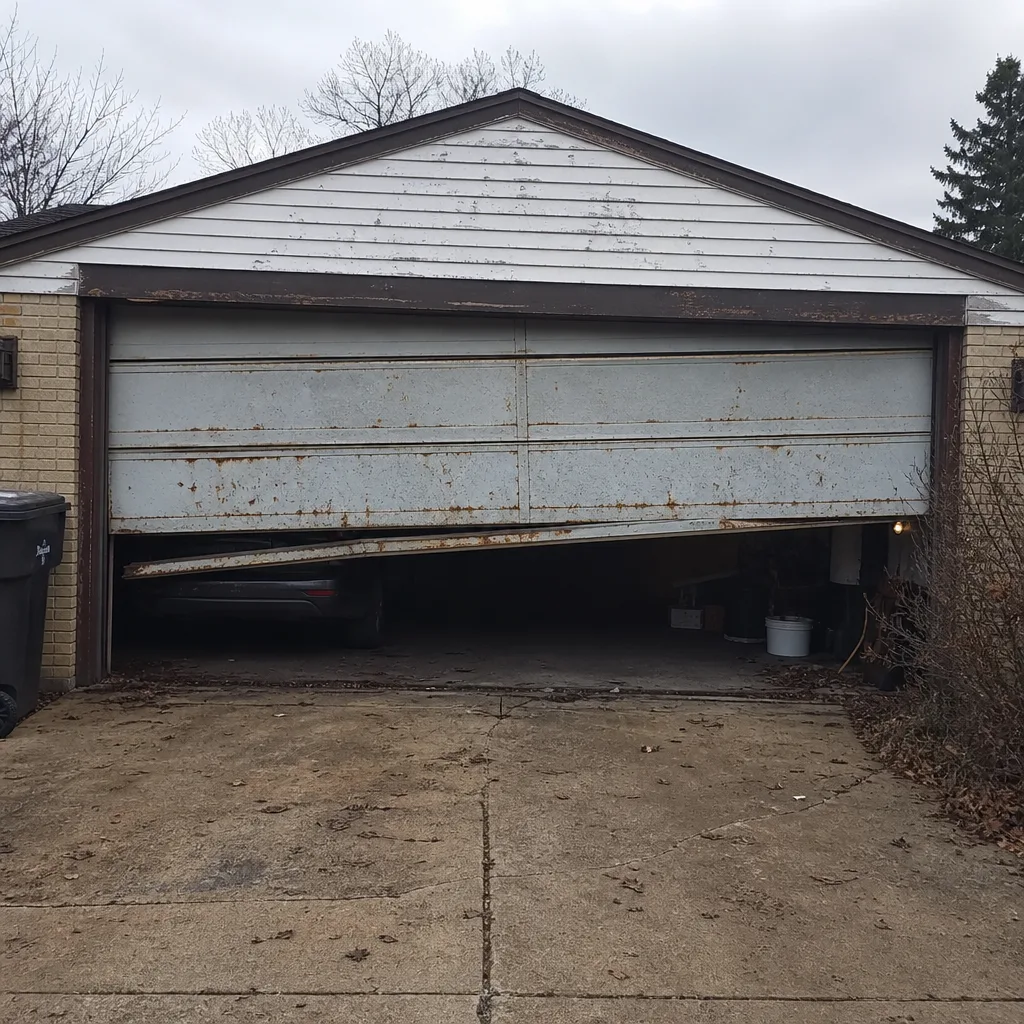 Before
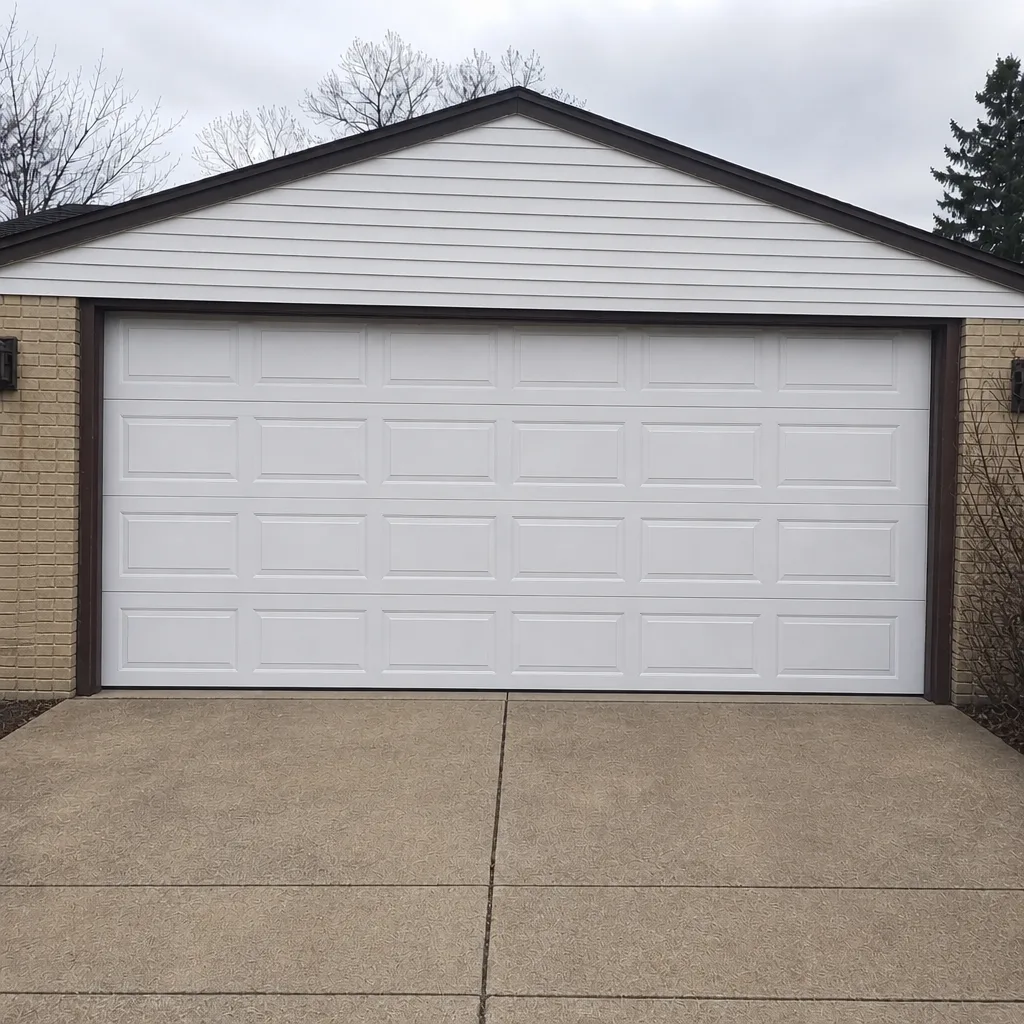 After
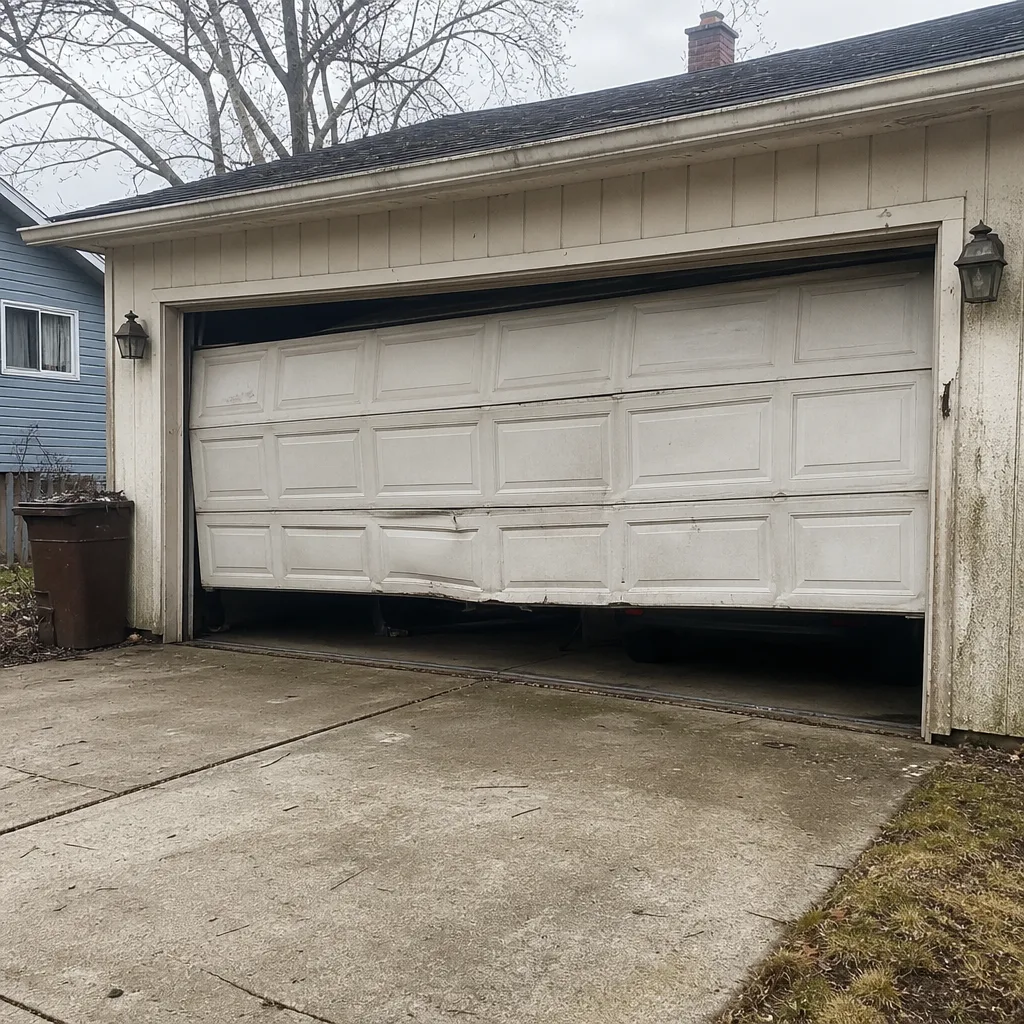 Before
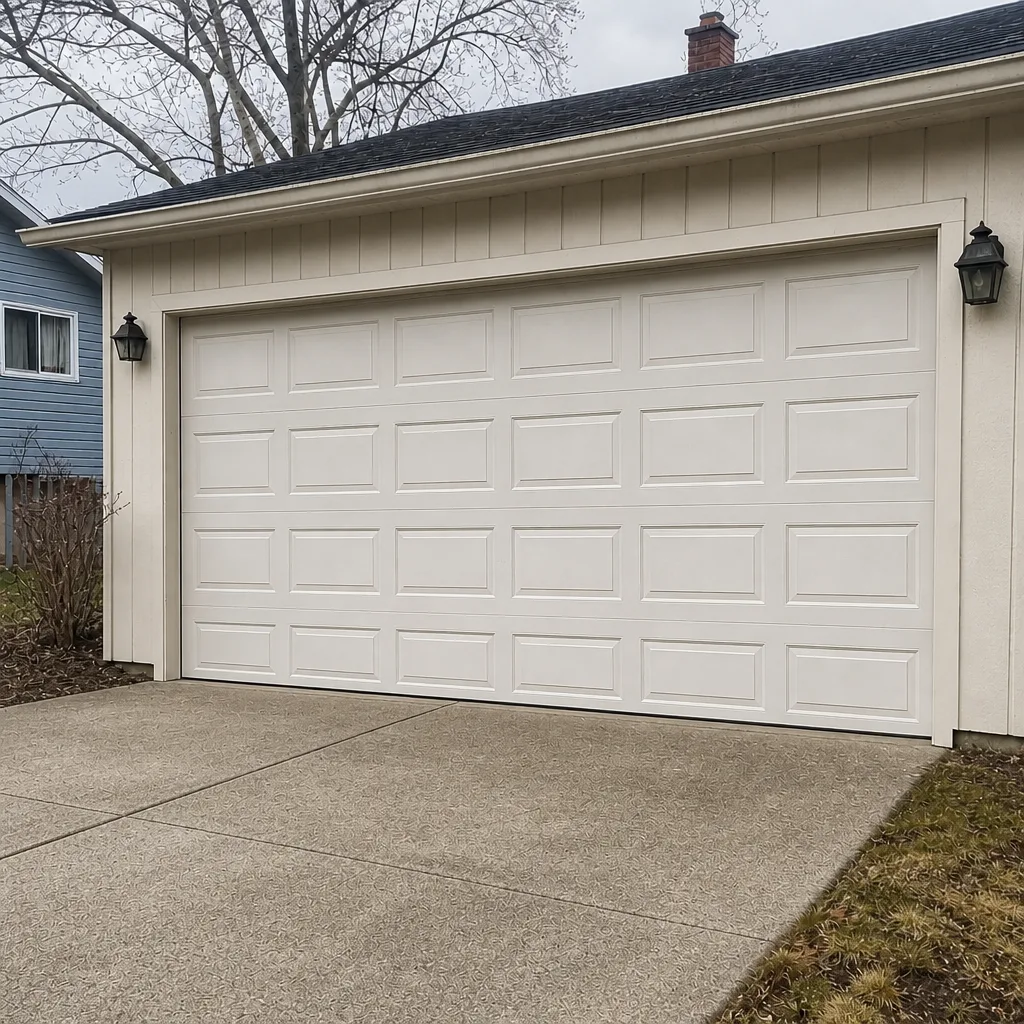 After
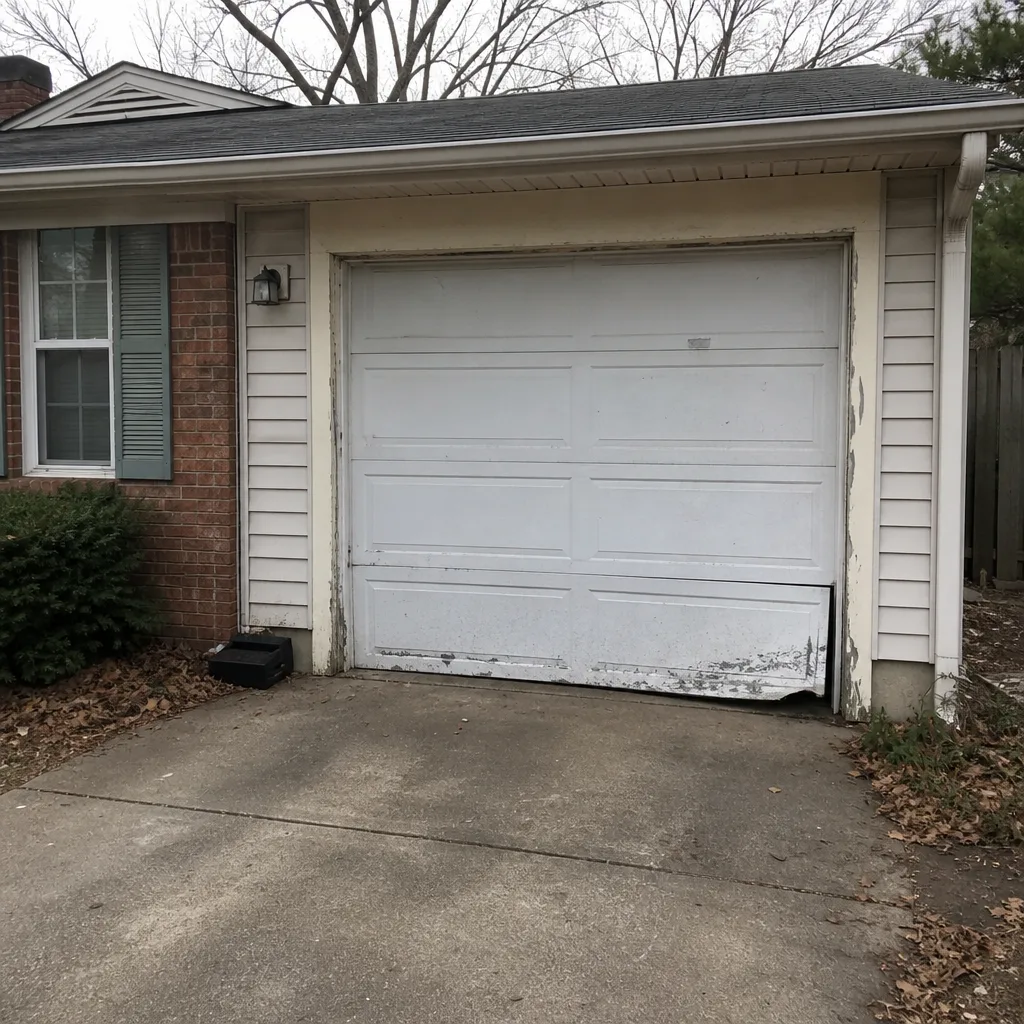 Before
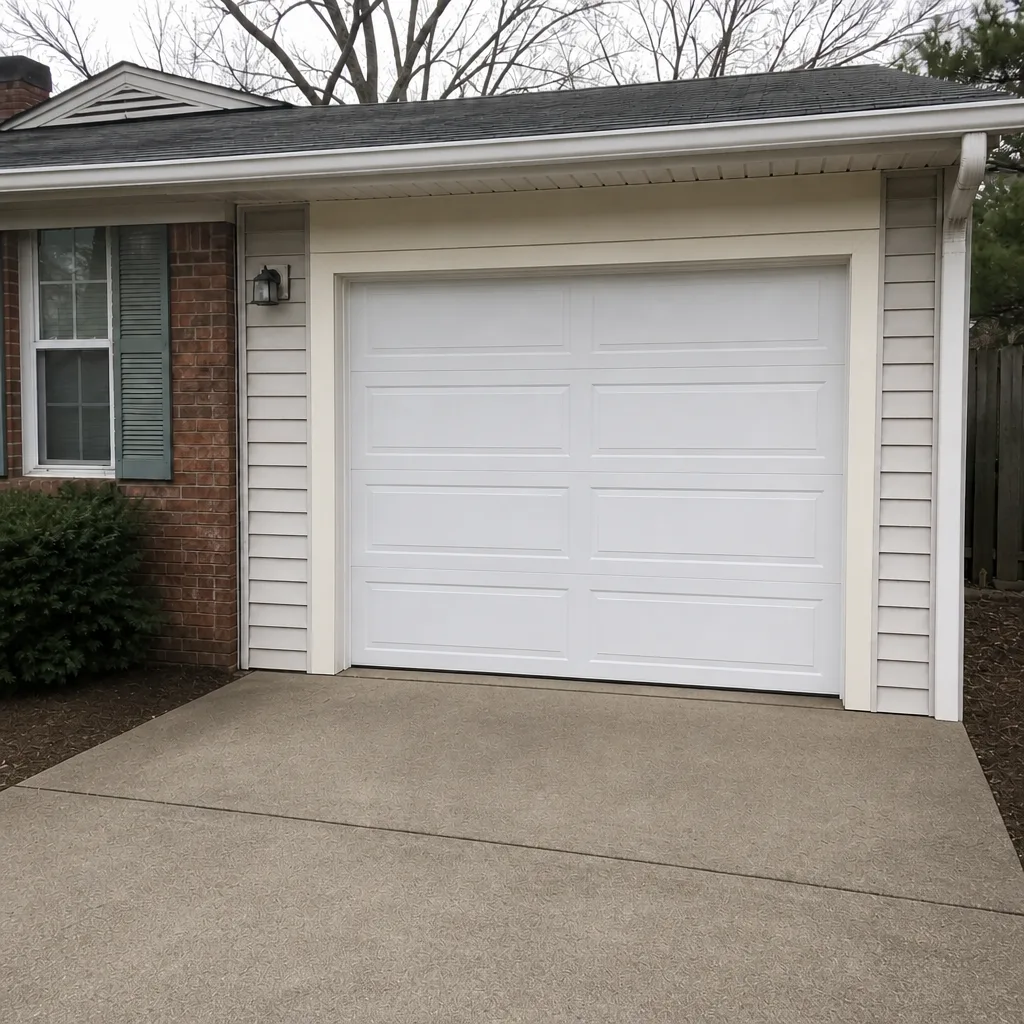 After