
Last updated November 15, 2026
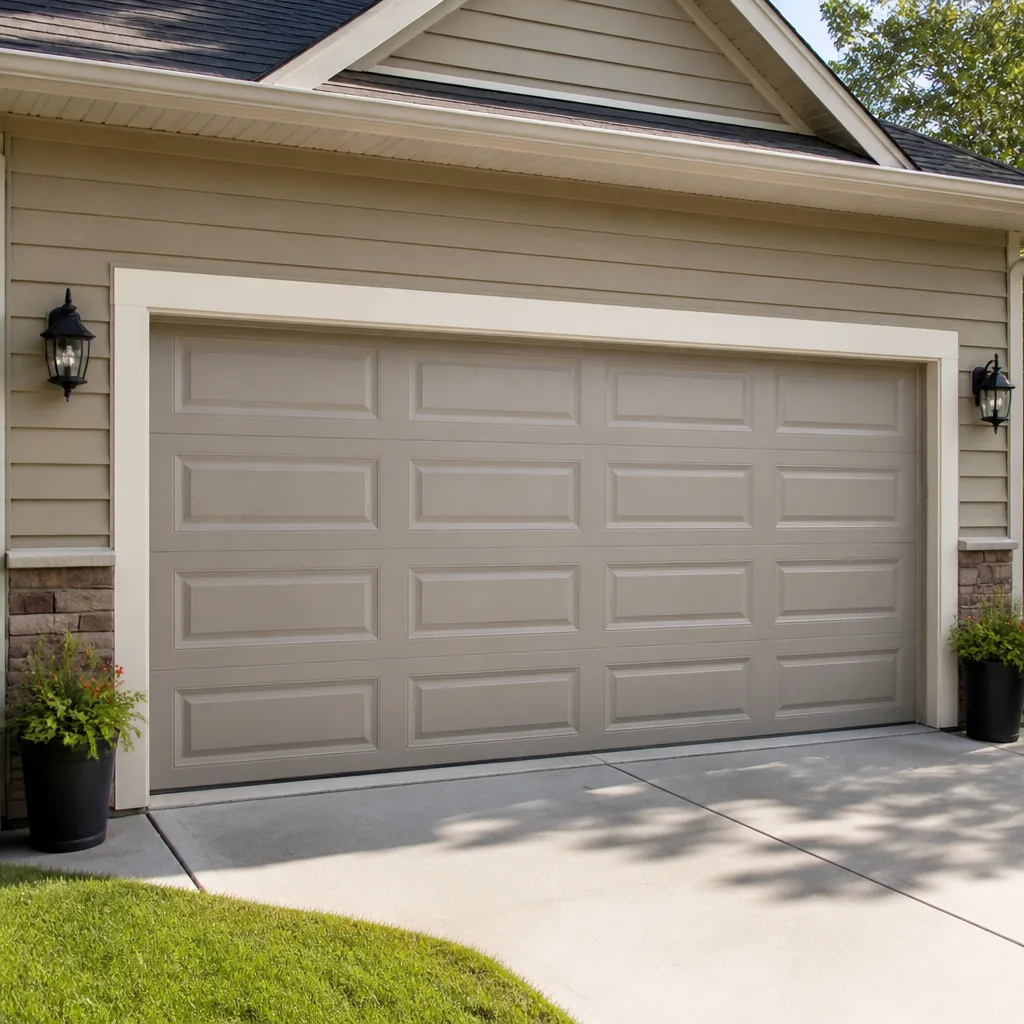 Raised-panel steel
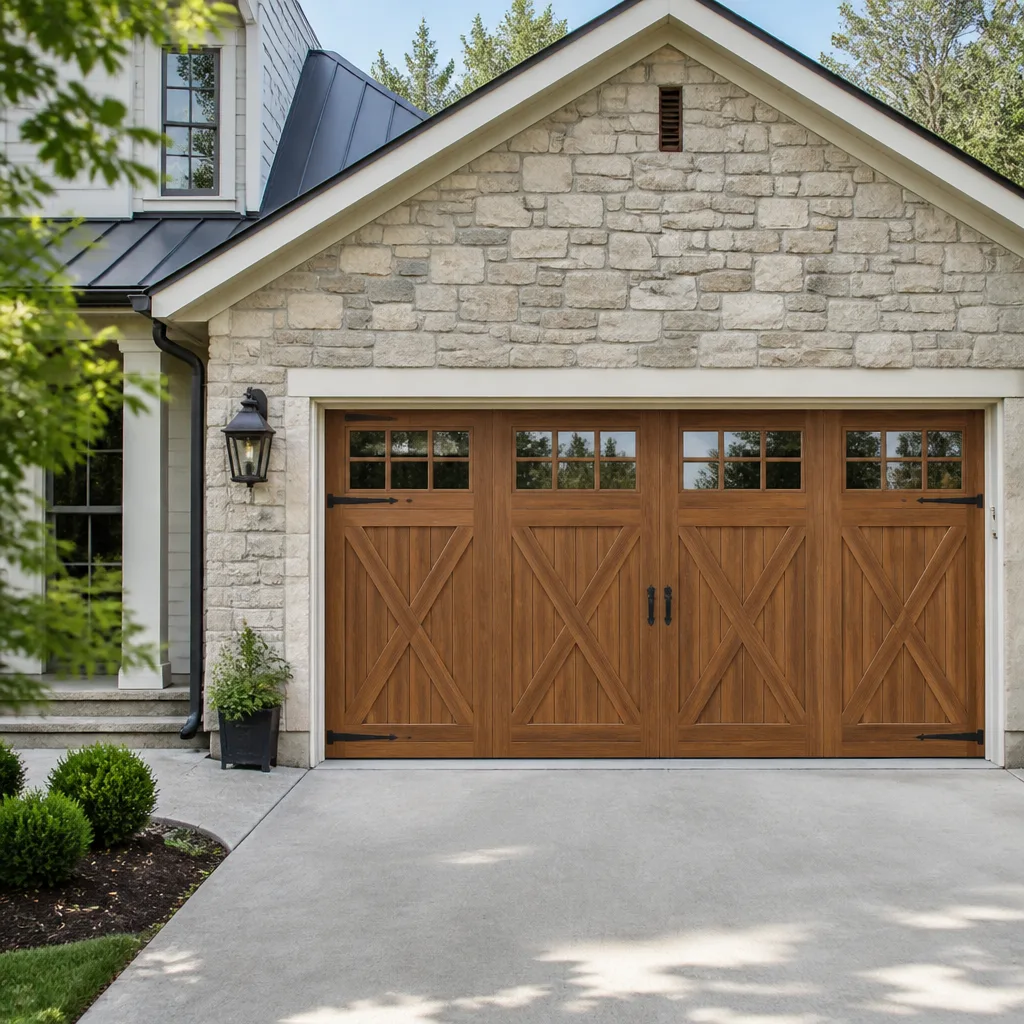 Carriage house
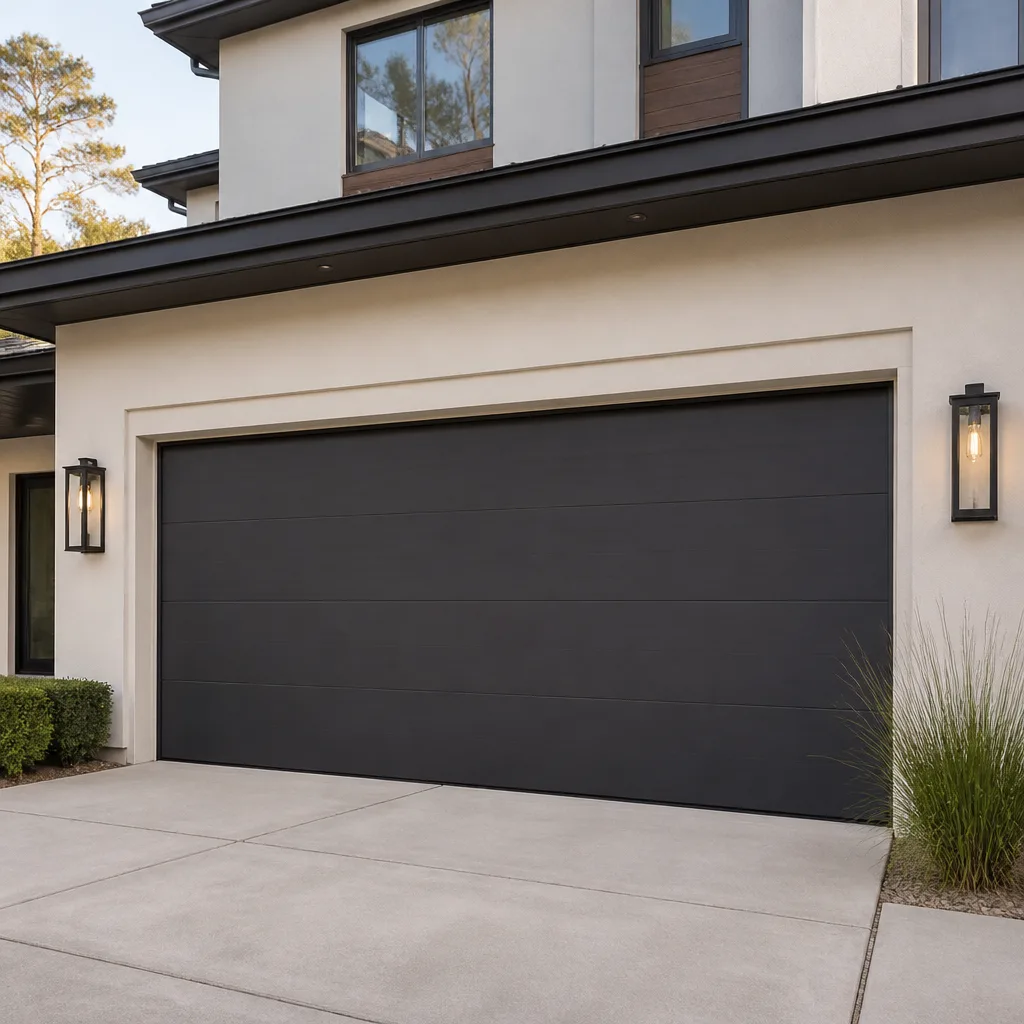 Modern flush
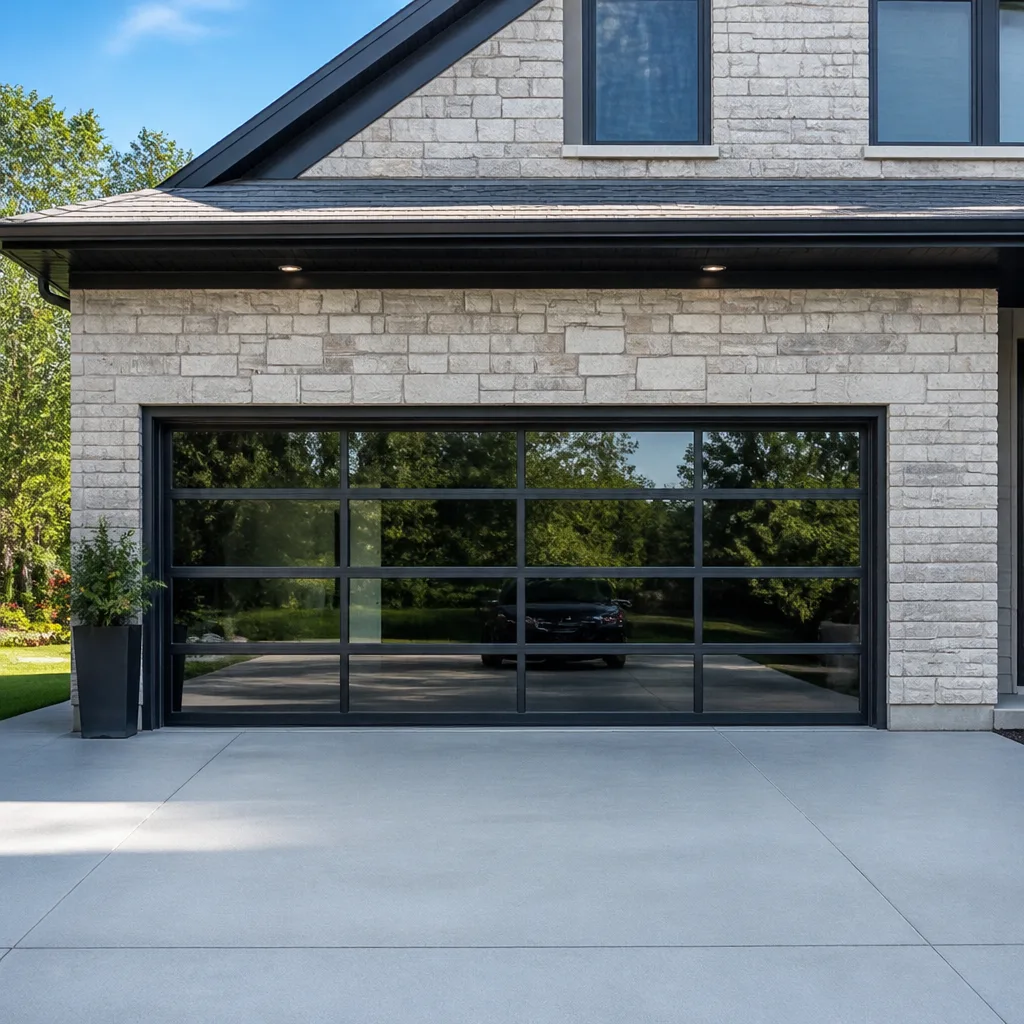 Full-view glass
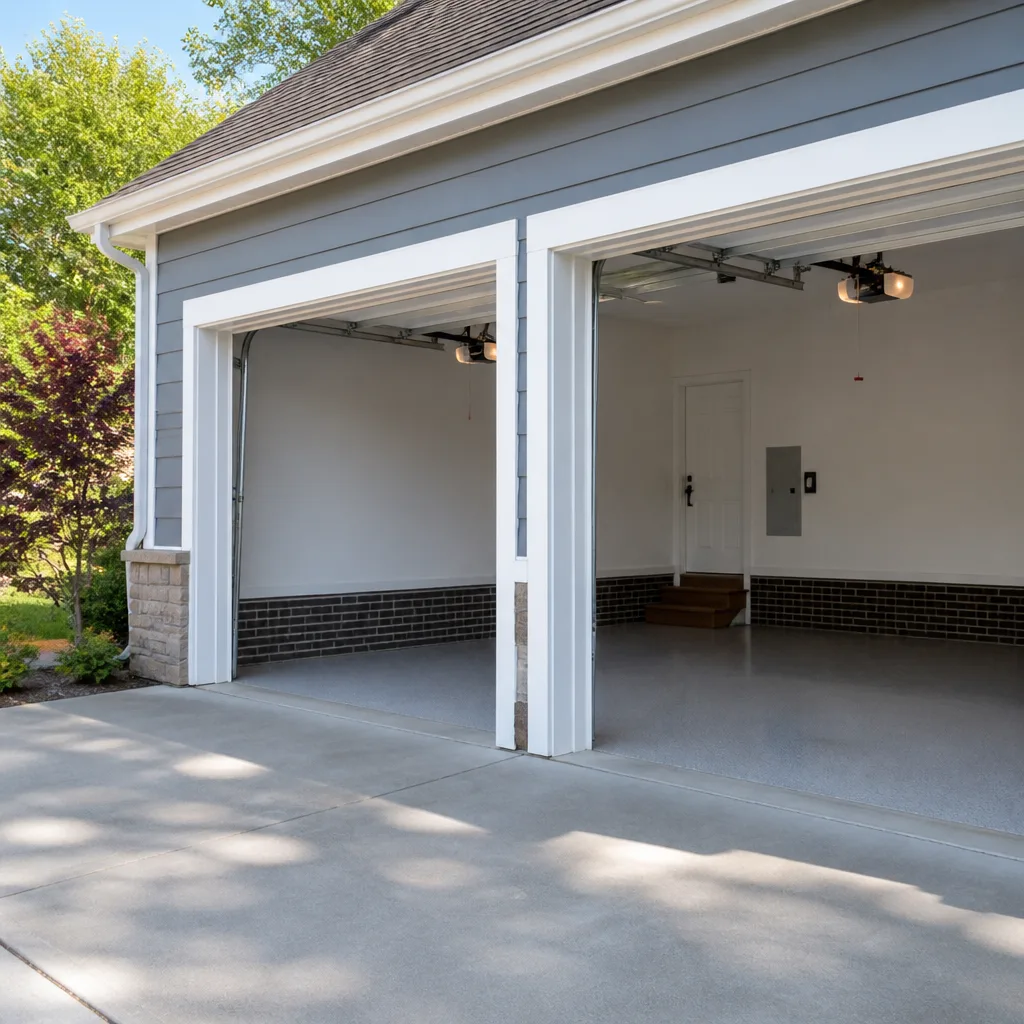 LiftMaster openers
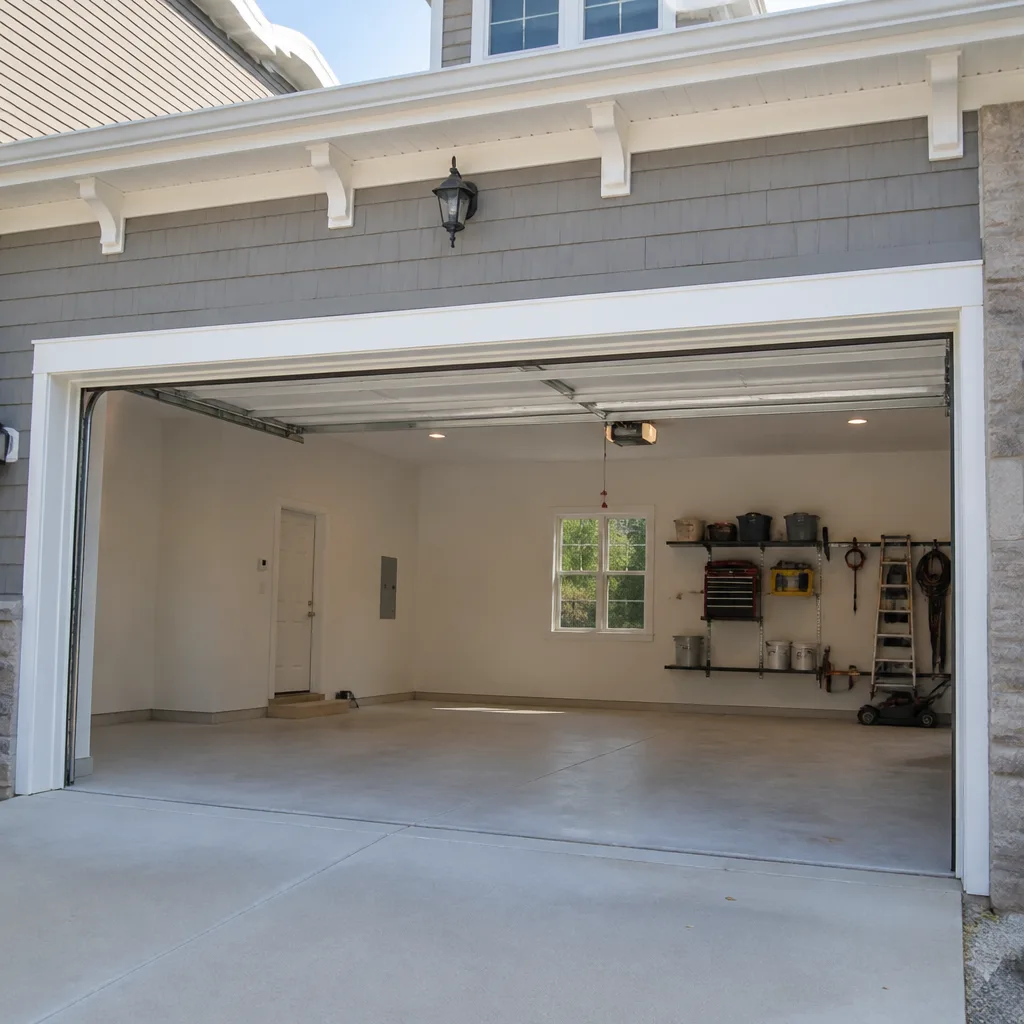 Chamberlain openers
Full 25-point door and opener safety check with every visit - springs, cables, rollers, tracks, and your LiftMaster or Chamberlain opener included
You get a price before we start. It does not change when the pro arrives.
Get your free estimateSeasonal Garage Door Care for Ann Arbor: Year-Round Homeowner’s Guide
Most homeowners treat garage door maintenance as one annual chore, usually squeezed into a fall afternoon: spray some lubricant, tug on the springs, call it done. In a climate like Ann Arbor’s, that approach leaves most of the year’s real stress unaddressed. Cold, heat, humidity and freeze-thaw cycles don’t all attack the same parts of your door, and they don’t all attack in the same month. This guide maps the specific tasks to the specific season that makes each one matter, so you’re working with the weather instead of catching up after it.
Quick Answer
Seasonal garage door care in Ann Arbor means four distinct task windows, not one: fall for pre-freeze spring and seal inspection, winter for managing ice without forcing the door, spring for reviewing what the winter revealed before you lubricate anything, and summer for heat-expansion checks on wood and composite panels plus opener travel-limit adjustments. Each window takes 20 to 90 minutes for a homeowner, and the fall and summer checks are the two that most directly prevent expensive repairs.
Styles & brands we work with
- Raised-panel steel
- Carriage house
- Modern flush
- Full-view glass
- LiftMaster openers
- Chamberlain openers
Table of Contents
- Why Ann Arbor’s Four Seasons Create Four Different Failure Modes
- Fall Care: The Pre-Freeze Checks That Prevent Expensive Spring Repairs
- Winter Care: What to Do (and Not Do) When the Door Freezes to the Ground
- Spring Care: Reading What Winter Revealed Before You Lubricate
- Summer Care: Heat Expansion, Wood Doors, and Travel Limits
- A Season-by-Season Time Budget
- Brand Matters Less Than Diagnosis
- Common Mistakes to Avoid
Why Ann Arbor’s Four Seasons Create Four Different Failure Modes
The core problem with a single annual maintenance habit is that it assumes your door fails for one reason. It doesn’t. The same torsion spring that struggles with cold contraction in January is dealing with heat expansion in July, and the bottom seal that hardens against ice in February was likely already cracked from a dry August. Each season attacks different hardware, and each one leaves different evidence.
Ann Arbor sits in a climate that delivers real winter cold, real summer humidity, and a long shoulder season in between where temperatures swing above and below freezing repeatedly. That last part matters most. Freeze-thaw cycling is what turns small gaps into cracks and what welds a rubber seal to a concrete slab. It’s also why our technicians see doors in Ann Arbor showing wear that a door in a milder climate wouldn’t develop for years.
Here’s the failure-mode map we work from:
- Fall: Dropping temperatures contract metal, pre-stressing torsion springs and cables. Seals harden. Lubricant that was fine in September becomes stiff by November.
- Winter: Ice bonds the bottom seal to the floor. Forcing the door under that bond is the single most common cause of a snapped cable we diagnose.
- Spring: Winter’s evidence surfaces. Cables show fraying, springs show stretch, panels show stress marks. This is the season to assess, not to cover up.
- Summer: Heat and humidity expand wood and composite panels, change the door’s balance, and push opener travel limits out of adjustment. Motors work harder without anyone noticing.
The good news is that each season’s tasks are short, and each one targets something the other three seasons can’t. Once you see the year as four windows instead of one chore, the maintenance plan writes itself.
Fall Care: The Pre-Freeze Checks That Prevent Expensive Spring Repairs
Fall is the highest-value maintenance window in Ann Arbor, and it’s the one most homeowners skip because nothing appears broken yet. Nothing is supposed to appear broken yet. The point of fall care is to catch the conditions that turn into expensive repairs once the temperature drops and stays down. Two checks matter more than the rest: the torsion spring pre-tension check and the bottom seal compression test.
The torsion spring pre-tension check
Torsion springs are the coiled springs mounted on the shaft above your door. They carry most of the door’s weight, which means they’re under constant load and they’re the part most likely to fail first in cold weather. As temperatures fall, the metal contracts and the spring’s effective tension changes, which puts more stress on the spring and on the cables running beside it.
You can check spring condition without touching the springs themselves, and you should never adjust or replace a torsion spring yourself. High-tension springs and cables can cause serious injury, and the tools and knowledge required aren’t something to improvise. What you can do from the ground:
- Open and close the door a few times by hand (with the opener disconnected) and listen. A sharp pop or a loud bang is a sign of trouble.
- Look at the springs for visible gaps in the coil, a stretched section, or rust at the ends. A gap in a torsion spring usually means it has already broken.
- Check that the door lifts smoothly without feeling unusually heavy. If it feels like you’re lifting the whole door rather than guiding it, the springs aren’t carrying their share.
- If anything looks or feels wrong, stop and call a professional. This is not a repair to attempt on your own.
The bottom seal compression test
The rubber or vinyl seal along the bottom of your door is what keeps cold air, snow, and water out of the garage. Before the first hard freeze, check whether it’s still doing its job:
- Close the door and look along the bottom edge from outside. Any daylight visible under the seal is a gap that will let water in.
- Press the seal with your thumb. It should feel flexible and spring back. If it feels hard or leaves an indentation, it’s already lost its ability to compress and seal.
- Look for cracks, tears, or sections pulling away from the retainer. A hardened seal in Ann Arbor will bond to cold concrete the first time the temperature drops below freezing.
A seal that fails the compression test should be replaced before winter, not after. It’s an inexpensive fix compared to the water damage and ice buildup a failed seal allows, and it’s one of the easiest parts of the door to replace.
Winter Care: What to Do (and Not Do) When the Door Freezes to the Ground
When a garage door freezes to the ground in Ann Arbor, the correct response is to stop, free the seal from the concrete without raising the door, and then open it manually or with the opener once it’s loose. The wrong response, and the one we see most often, is to hit the opener button and hope. Forcing a frozen door is the leading cause of snapped cables, and it can also strip opener gears and bend panels.
What to do when the door won’t lift
- Stop pressing the opener. Repeated attempts put more strain on the cables and the opener motor.
- Look along the bottom edge for ice bonding the seal to the slab. It’s often invisible, just a thin layer under the rubber.
- Free the seal without lifting the door. A gentle application of warm (not boiling) water along the bottom edge, or a de-icing product made for concrete, will release the bond. Never use a hammer, chisel, or pry bar on the seal or the door.
- Once the seal is free, open the door by hand first to confirm it moves smoothly, then reconnect the opener.
- If the door still won’t lift after the ice is cleared, don’t force it. Call for a diagnosis.
What not to do
- Don’t pour hot water directly on the door or the seal. It can crack the seal and stress the panel finish.
- Don’t use salt or rock salt near the door bottom. It corrodes the bottom bracket, the cables, and the concrete.
- Don’t keep cycling the opener when it reverses immediately. That’s the opener’s safety system telling you something is binding.
- Don’t assume a door that opened fine yesterday is fine today. Ice forms overnight, and a door that bonded to the slab at 3am won’t lift at 7am.
The winter opener check
Openers work harder in cold weather. If your opener is a LiftMaster or Chamberlain unit with a battery backup, cold drains the backup battery faster than you’d expect, and a unit that loses power in a winter storm won’t open the door if the backup is dead. Test the manual release and the battery backup before the coldest stretch of the season. If your opener is struggling to lift a door it handled easily in October, the door’s balance has likely changed, and the fix is usually in the door rather than the opener. That’s a garage door opener repair question worth asking before the motor burns out.
Spring Care: Reading What Winter Revealed Before You Lubricate
Spring is when most homeowners reach for the lubricant, and it’s exactly the wrong first move. Lubricating over the evidence winter left behind hides the warning signs you need to see. Before you spray anything, take 15 minutes to look at your door as a report card on the season that just ended.
What to look for before you lubricate
- Cables: Look for fraying, kinks, or rust along the length of both cables. A cable with broken strands is a cable that’s close to failing, and lubricant won’t fix it.
- Springs: Check for gaps, stretch, or rust at the coil ends. A spring that survived winter may still be fatigued.
- Panels: Look for dents, cracks, or separation at the seams. Freeze-thaw cycling and ice can stress a panel without visible damage until spring.
- Hinges and rollers: Check for looseness, wear, and rust. A roller that’s worn flat will make the door noisy and strain the opener.
- Track alignment: Look down the tracks from the door opening. Any bend or gap in the track is a problem the winter may have caused.
Once you’ve looked, you can lubricate. Use a lubricant made for garage door hardware, not general-purpose oil, and apply it to the hinges, rollers, and the spring (a light coat on the spring is fine for rust prevention, but don’t try to adjust tension). If any of the checks above turned up a problem, the lubricant can wait. A diagnosis comes first.
Why this season matters in Ann Arbor
Spring in Ann Arbor arrives with a long stretch of freeze-thaw cycling, and that’s the period when a cable that was marginal in February finally lets go. Catching it in March costs far less than catching it after it snaps in April. If you’re not sure what you’re looking at, a professional inspection is cheap compared to a failed cable, and it’s the honest way to know whether your door needs anything at all. Our garage door repair service exists for exactly this: a clear diagnosis of what winter did, without a sales pitch attached.
Summer Care: Heat Expansion, Wood Doors, and Travel Limits
Summer in Ann Arbor brings humidity and heat that change how your door fits, and the changes are subtle enough that most homeowners don’t notice them until the opener starts straining. Wood and composite doors absorb moisture and expand, which can change the door’s balance and its fit in the frame. Even steel doors experience thermal expansion that affects the opener’s travel limits.
Heat expansion and wood or composite doors
Wood doors are beautiful and they’re also the most responsive to humidity. In a humid Ann Arbor summer, wood panels swell slightly. That swelling can cause the door to bind in the frame, make it harder to open, and put extra load on the opener. Composite doors behave similarly, though usually to a lesser degree. What to check:
- Open and close the door by hand and feel for binding or rubbing at the edges.
- Look for gaps or cracks in the finish. Any exposed wood absorbs moisture faster than finished wood.
- Check that the door still sits evenly in the frame when closed. Uneven gaps are a sign of expansion or a balance issue.
- Keep the finish maintained. A sealed door handles humidity far better than a bare one.
Travel limits and opener strain
Your opener has travel limits that tell it how far to raise and lower the door. When the door expands or its balance shifts, those limits can be slightly off, and the opener ends up pushing the door against the floor or the header harder than it should. That’s motor strain you can’t see, and it shortens the opener’s life. Check the travel limits once in early summer and once in late summer:
- Watch the door close fully. It should meet the floor firmly without the opener continuing to push.
- Watch it open fully. It should stop at the header without straining.
- If the opener reverses immediately on closing, or the door doesn’t reach the floor, the limits need adjustment.
- If you’re not comfortable adjusting the limits yourself, have it done. It’s a small job with a real effect on opener life.
If your opener is a Craftsman or Raynor unit that’s been in place a while, summer is also a good time to check the safety reverse. Place a roll of paper towels under the door and close it. The door should reverse on contact. If it doesn’t, stop using the opener and get it looked at. That safety feature is not optional.
A Season-by-Season Time Budget
Most homeowners defer maintenance because they assume it takes a whole afternoon. It doesn’t, as long as you’re realistic about what each season actually requires. Here’s the time budget we give homeowners in Ann Arbor so they can plan around it:
- Fall (30 to 45 minutes): Spring condition check from the ground, bottom seal compression test, lubricate hinges and rollers, test the opener’s safety reverse, clear leaves and debris from the tracks.
- Winter (10 to 20 minutes as needed): Free the bottom seal from ice when it bonds, check the opener’s battery backup, avoid forcing the door. Most of winter care is knowing what not to do.
- Spring (45 to 90 minutes): Full visual inspection of cables, springs, panels, hinges, rollers and tracks before lubricating, then lubricate. This is the longest window because it’s the assessment window.
- Summer (20 to 30 minutes): Check the door for binding from heat expansion, verify travel limits, test the safety reverse, check the finish on wood or composite doors.
Add it up and the full year is under three hours of homeowner time, spread across four windows. Compare that to the cost and disruption of a snapped cable or a burned-out opener motor, and the math favors the calendar. If you’d rather have a professional handle the spring and fall inspections, a free estimate is a reasonable way to get a second opinion without committing to anything.
Brand Matters Less Than Diagnosis
Homeowners in Ann Arbor often ask whether their door’s brand changes the maintenance plan. The honest answer is that it changes some details but not the fundamentals. We work on whatever brand is on your door, and we service equipment from LiftMaster, Chamberlain, Genie, Clopay, Amarr, Wayne Dalton, Craftsman and Raynor. What we’ve found across all of them is that the failure modes are similar: springs fatigue, seals harden, cables fray, openers strain. The brand tells you how a part is built. The season tells you how it’s likely to fail.
Where brand does matter is in the parts and the specifics of adjustment. A LiftMaster opener’s travel limits are set differently from a Chamberlain unit, and a Clopay wood door responds to humidity differently than a Wayne Dalton steel door. That’s why a brand-agnostic approach is the only honest one: recommendations should come from what your door and your budget actually need, not from which product line a company prefers to sell. If your opener needs attention, that’s a separate specialty, and it’s worth treating it that way. You can read more about how we handle it on our opener repair page.
Our technicians have up to 12 years of experience across these systems, and that experience is mostly about diagnosis: knowing which noise means a spring and which means a roller, and knowing when a door needs a part versus when it needs an adjustment. That’s the difference between a repair and an upsell.
Common Mistakes to Avoid
- Lubricating before inspecting in spring. Lubricant hides the evidence of cable fraying and spring fatigue. Look first, then lubricate. In Ann Arbor, winter leaves a lot of evidence, and it’s worth reading.
- Forcing a frozen door. Hitting the opener when the seal is bonded to the slab is the most common cause of a snapped cable we see. Free the seal first, then open the door.
- Using salt near the door bottom. Rock salt corrodes the bottom bracket, cables and concrete. Use a de-icer made for concrete instead, and keep it off the seal.
- Ignoring the bottom seal. A hardened seal in Ann Arbor lets water in, which leads to ice buildup and water damage. It’s an inexpensive part and it does a lot of work.
- Skipping the summer travel-limit check. Heat expansion pushes the door out of adjustment, and the opener pays for it. A five-minute check protects a motor that costs far more to replace.
- Assuming a noisy door is normal. Noise usually means something is loose, worn or out of alignment. A quiet door is a door that’s working correctly.
- Trying to adjust torsion springs yourself. This is the one mistake on the list that can cause serious injury. High-tension springs and cables require training and tools. Leave them to a professional.
When to Call a Professional
Some seasonal tasks are homeowner work: lubricating hinges, checking the seal, testing the safety reverse, clearing debris. Others are not. Call a professional if you hear a sharp pop or bang from the springs, if the door feels unusually heavy when you lift it by hand, if you see fraying or kinks in the cables, if the door binds in the frame or reverses immediately on closing, or if the opener strains to lift a door it used to handle easily. We also recommend a professional inspection any time the door has been forced, because a snapped cable can be visually subtle until it fails completely.
Sage Garage Door Repair offers free estimates in Ann Arbor. Call (888) 359-3230. We answer 24/7. Fast dispatch from 7am to 7pm, Sunday through Friday. The estimate is free and the price is set per job by the written estimate, quoted and agreed before any work starts.
See the difference
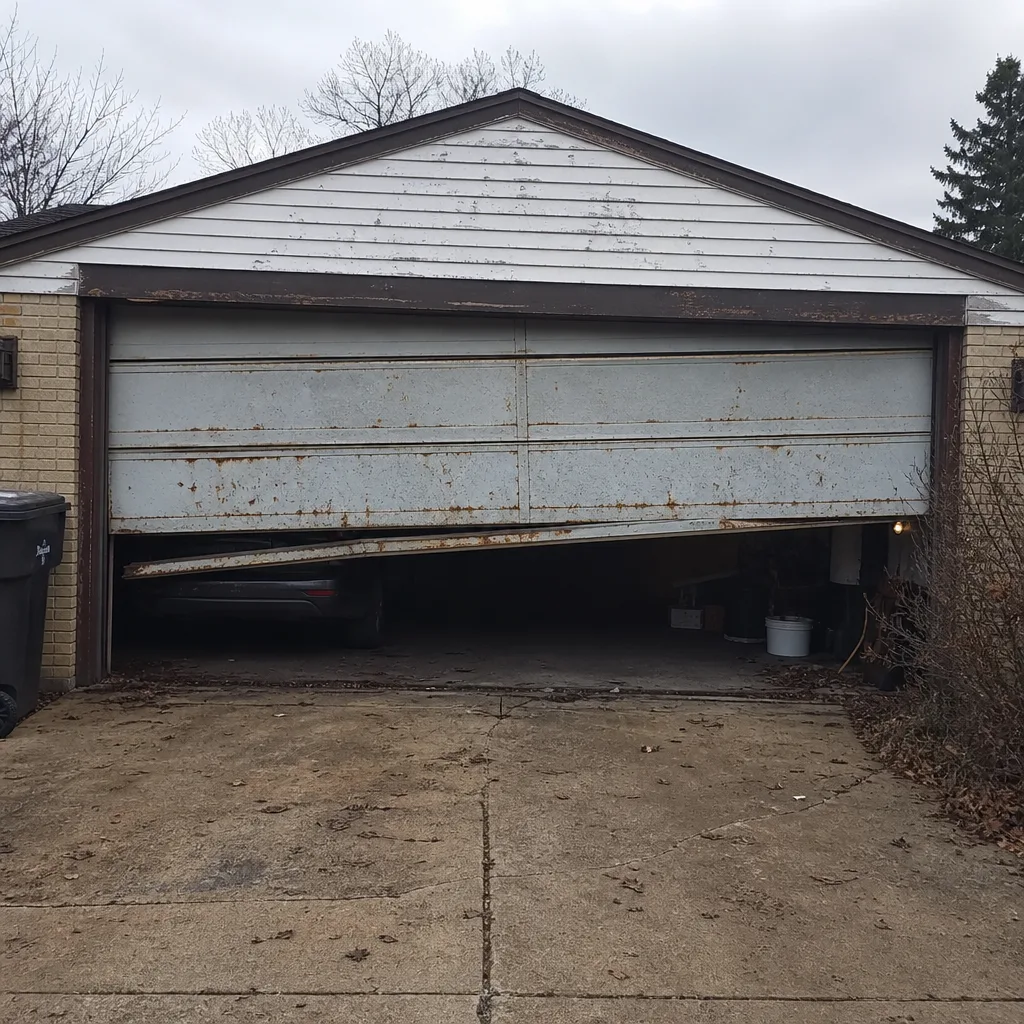 Before
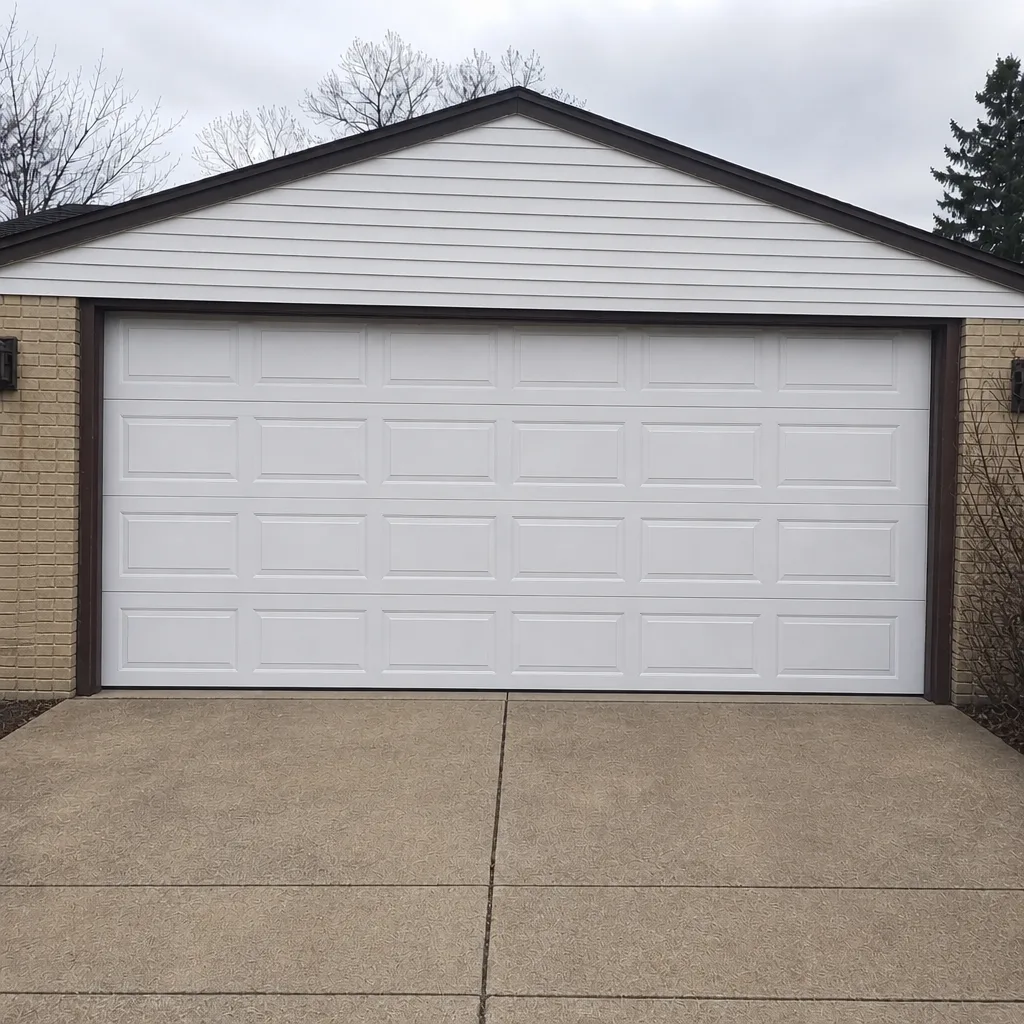 After
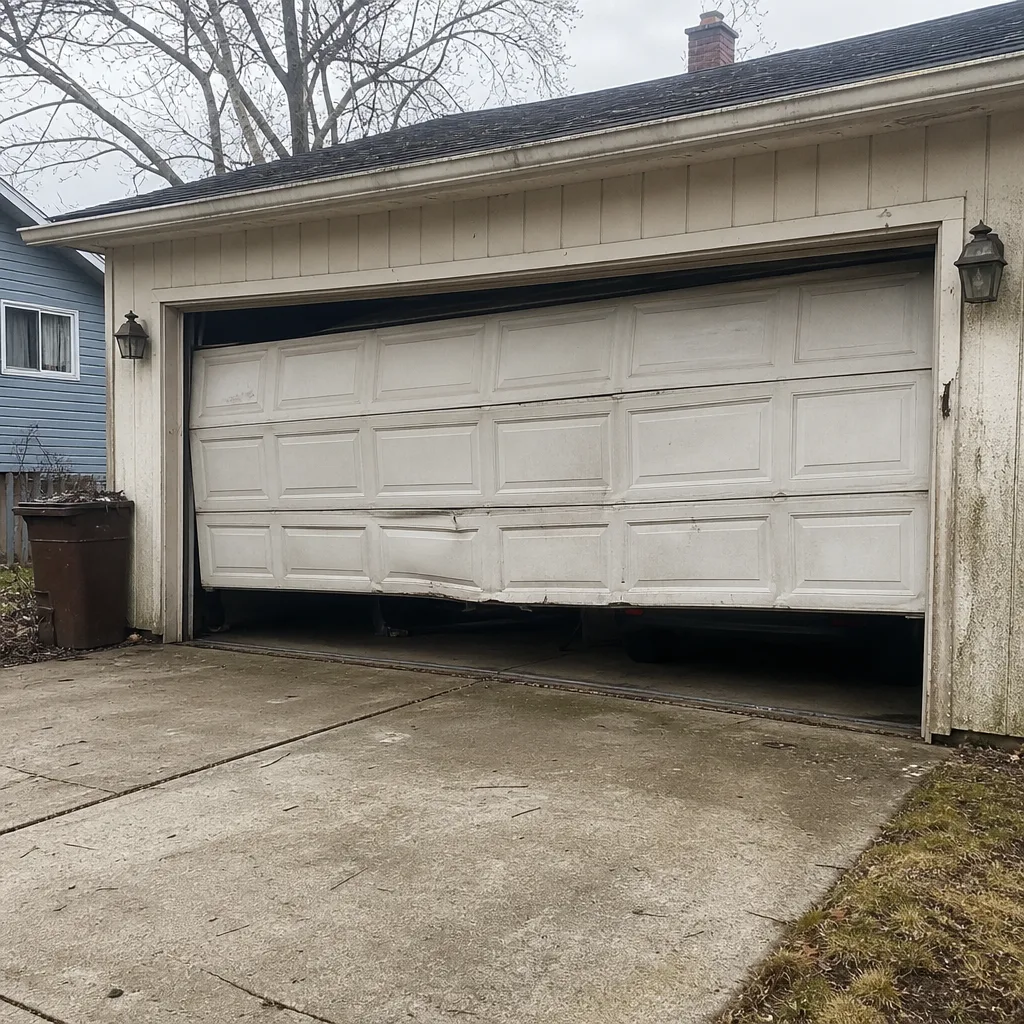 Before
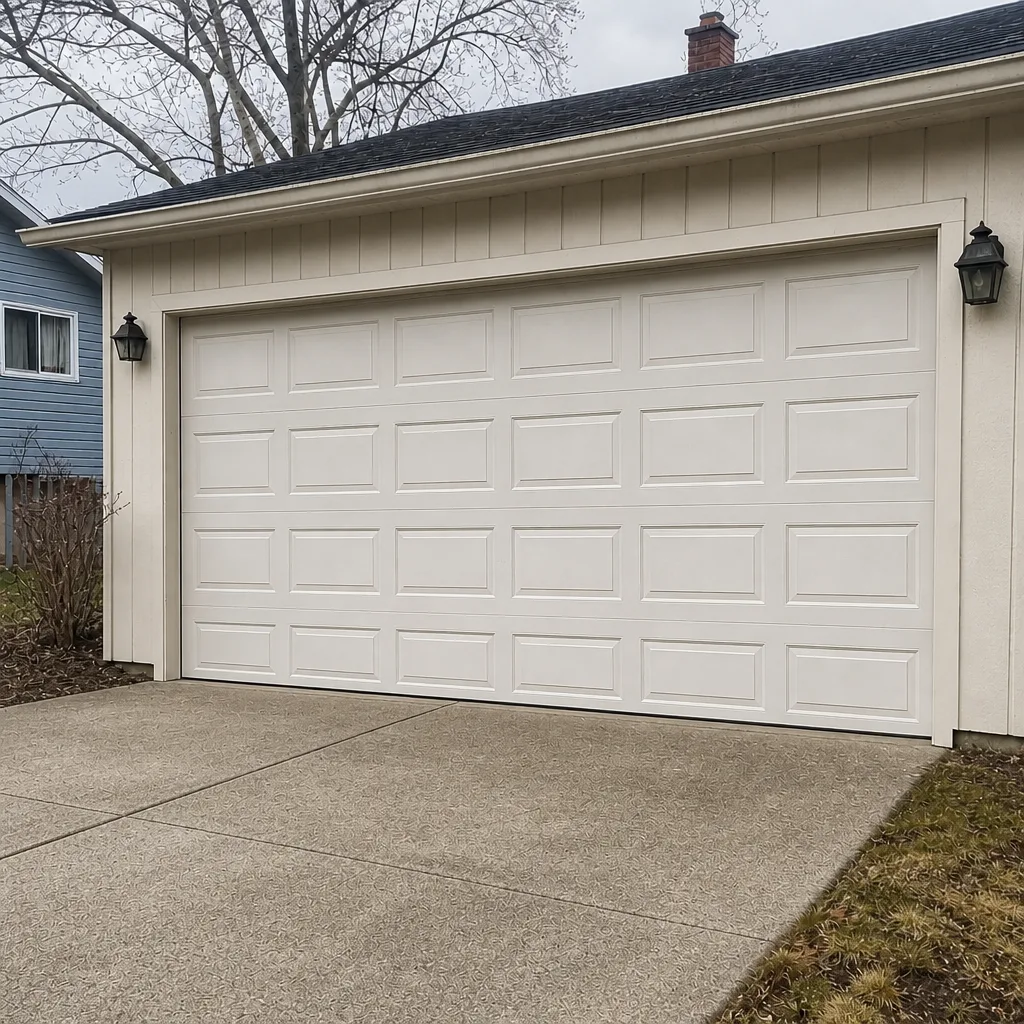 After
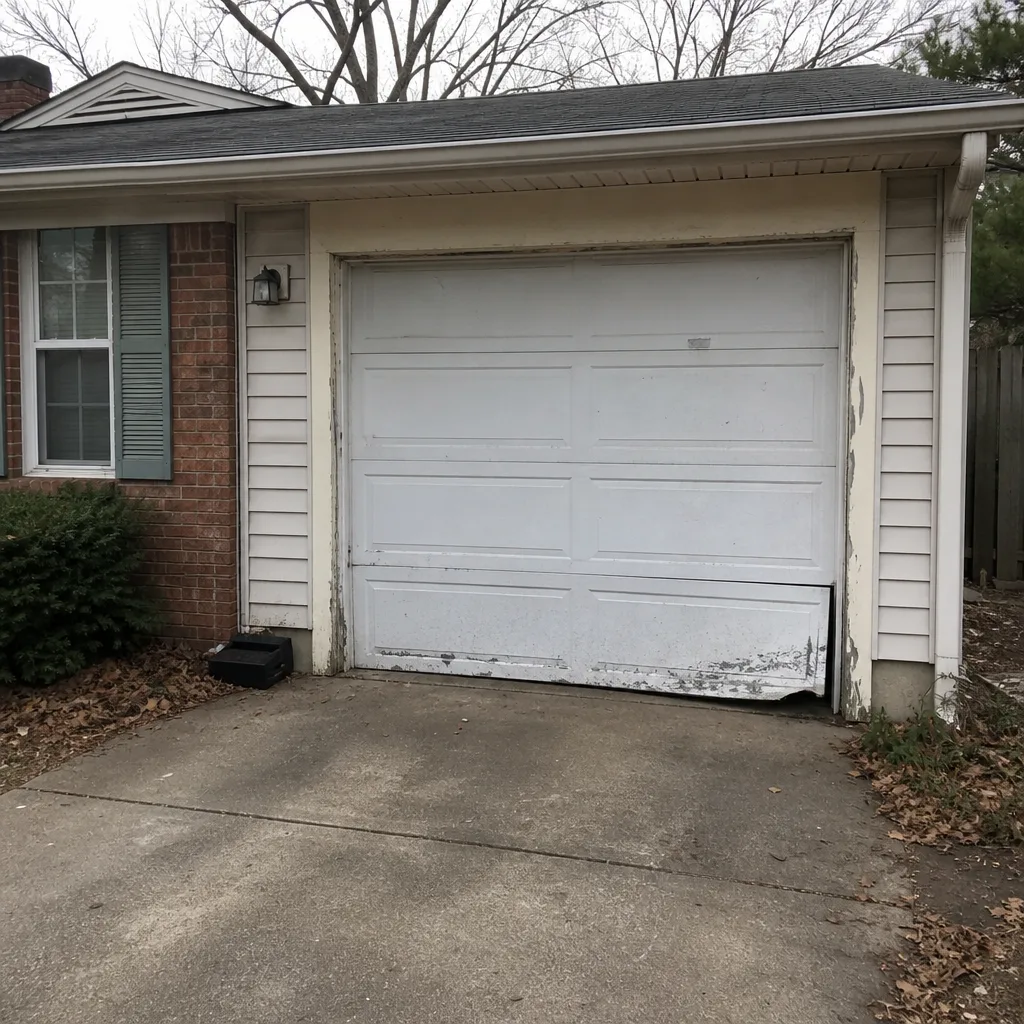 Before
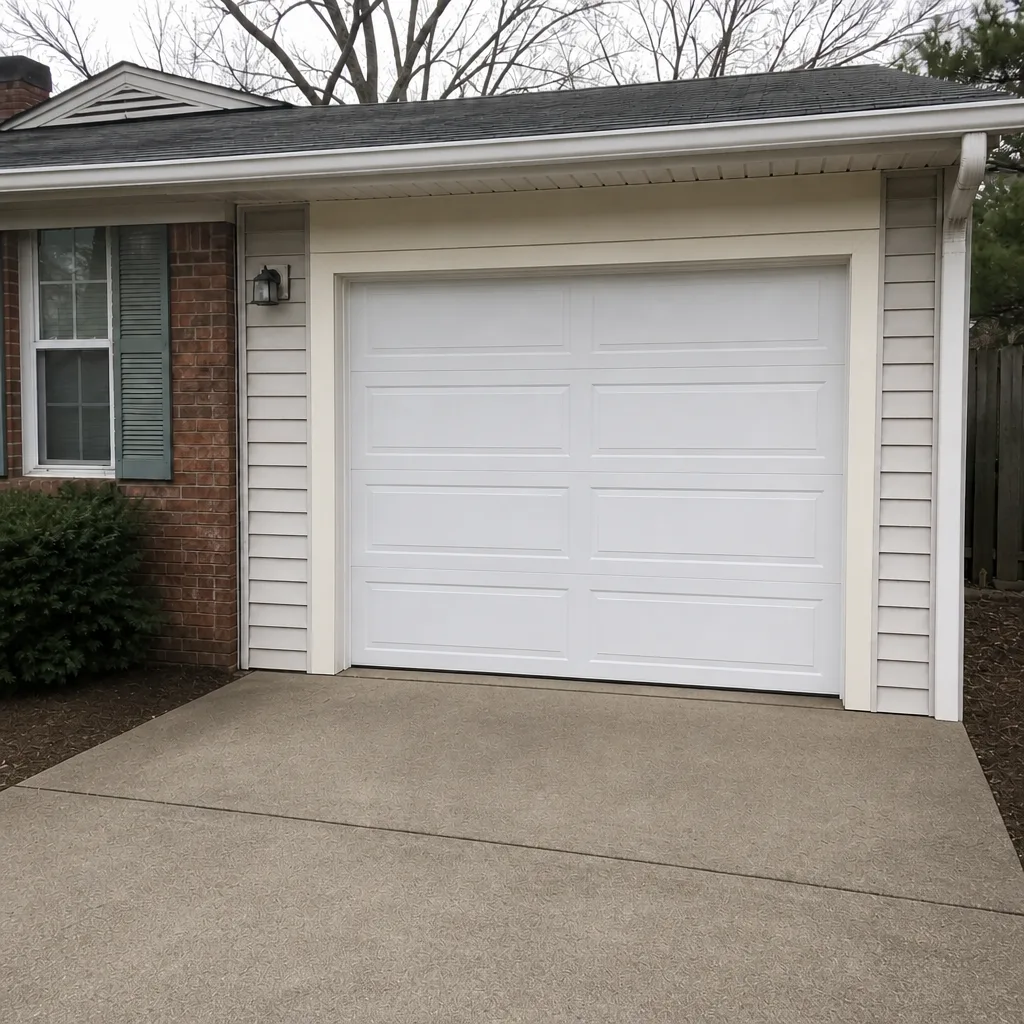 After
Frequently Asked Questions
Once in fall and once in spring is enough for most doors in Ann Arbor. Lubricate the hinges, rollers and springs with a product made for garage door hardware, and skip the tracks (they should stay clean and dry). If your door is used heavily, a mid-summer touch-up on the rollers is reasonable.
It freezes because the bottom seal bonds to cold concrete when moisture gets under the rubber and the temperature drops below freezing. A hardened or cracked seal makes it worse. Free the seal with warm water along the bottom edge, don’t force the door, and replace the seal before the next winter if it’s lost its flexibility. Call (888) 359-3230 for an exact quote on a seal replacement; estimates are free.
No. Torsion springs are under high tension and can cause serious injury if handled without the right tools and training. Homeowners can inspect springs from the ground for gaps, stretch and rust, but adjustment and replacement should be done by a trained professional. If you’re unsure about what you’re seeing, get it checked.
Yes, especially for wood and composite doors in Ann Arbor’s humid summers. Wood panels absorb moisture and expand, which can cause binding in the frame and extra strain on the opener. Heat also pushes travel limits out of adjustment. Check the door for binding and verify the travel limits once in early summer and once in late summer.
Fall is the most important season because the pre-freeze checks prevent the most expensive winter failures. A spring and seal check before the first hard freeze catches problems while they’re still inexpensive. Spring is the second most important, because it’s when you see what winter did. Call (888) 359-3230 to schedule a fall inspection; estimates are free.
Not every year, but every two or three years is worth it, and any time the door has been forced or you’ve noticed a new noise, a professional look is cheaper than a failed part. Our technicians have up to 12 years of experience diagnosing exactly these systems, and we work on whatever brand is on your door. A straight answer, not a sales pitch, is the goal.
The Bottom Line
Seasonal garage door care in Ann Arbor works best when you stop treating it as one task and start treating it as four. Fall is for prevention: check the springs from the ground and test the bottom seal before the freeze. Winter is for restraint: free the seal, don’t force the door. Spring is for reading the evidence before you lubricate. Summer is for heat expansion and travel limits. The whole year is under three hours of homeowner time, and the fall and summer windows are the ones that save the most money. When something looks wrong, get a diagnosis rather than covering it up. If you’d like a professional opinion, our team at Sage Garage Door Repair handles repair, opener repair and installation for homeowners throughout Ann Arbor. Call (888) 359-3230 for a free estimate. We answer 24/7. Fast dispatch from 7am to 7pm, Sunday through Friday.
Written by the team at Sage Garage Door Repair.